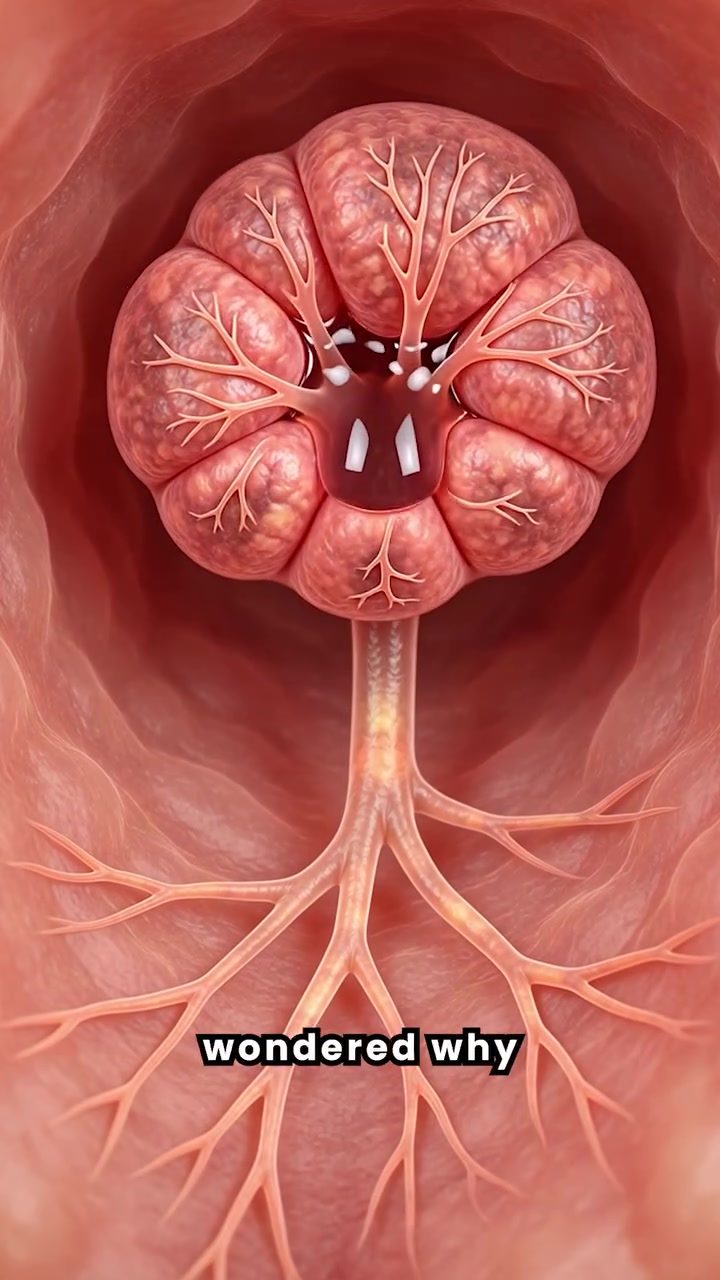
Why Newborn Babies Cry Without Shedding Real Tears
Newborn babies have a unique way of communicating their needs, and crying is one of their primary tools. However, it might surprise many to learn that for the first few weeks of life, most babies can't produce visible emotional tears. This doesn't mean they are any less distressed; it simply means their tear glands are still maturing.
Why This Matters
Understanding why newborns can't produce tears is crucial for parents and caregivers. It helps demystify the early stages of a baby's emotional and physical development. While newborns may cry frequently due to hunger, discomfort, or the need for attention, their tear ducts are not yet fully developed to produce visible tears. This can be confusing for new parents who might expect tears to accompany their baby's cries.
Main Discussion
The Role of Tear Glands
Tear glands, also known as the lacrimal glands, are responsible for producing tears. In newborns, these glands are already functional and produce enough moisture to keep the eyes healthy and protected. However, they usually don’t produce the larger amounts of tears needed to spill down the cheeks. This is why a crying newborn often has a completely dry face, even though they are expressing distress.
Developmental Milestones
The ability to produce visible tears is a developmental milestone that occurs gradually over the first few weeks of life. Around 2-4 weeks of age, babies begin to produce tears that can roll down their cheeks. This can be surprising for many parents, who might not realize why their baby was not shedding tears earlier. It is important to note that the lack of visible tears does not indicate a lack of emotional response or pain. Babies are crying just as intensely but are not yet capable of producing the tears that flow down the cheeks.
What to Expect
Parents should expect their newborn's tear glands to continue maturing during the first few weeks. Over time, the tear glands will develop the capacity to produce enough tears to flow down the cheeks. This is a natural part of a baby's development and does not require any medical intervention. Parents can take comfort in knowing that their baby's crying is a normal part of their development, even if it doesn’t come with visible tears.
Practical Tips
Understanding Baby’s Cries
Newborns have several types of cries, each indicating different needs. Parents can learn to differentiate between these cries to better understand their baby’s needs. For example:
- Hunger Cries: These are usually short and quick, often with a rising and falling pitch.
- Fatigue Cries: These are more whiny and can be accompanied by rubbing the eyes.
- Discomfort Cries: These are often louder and more sustained, indicating discomfort or pain.
- Boredom Cries: These are usually quieter and more intermittent, indicating a need for stimulation.
Responding to a Crying Baby
When a newborn cries, it is important to respond promptly and calmly. Here are some tips to help soothe a crying baby:
- Check for Basic Needs: Ensure the baby is not hungry, thirsty, or in need of a diaper change.
- Swaddle and Hold: Swaddling and holding the baby can provide a sense of security and comfort.
- Use White Noise: Gentle white noise can mimic the sounds of the womb and help calm the baby.
- Rock and Sing: Gentle rocking and soft singing can soothe a crying baby.
Important Takeaways
- Newborns Cry Without Tears: It is normal for newborns to cry without shedding visible tears for the first few weeks of life.
- Tear Glands Develop Gradually: The lacrimal glands produce enough moisture to keep the eyes healthy but do not produce enough tears to spill down the cheeks until around 2-4 weeks of age.
- Crying is a Communicative Tool: Crying is a newborn’s primary way of communicating their needs, even if it doesn’t come with tears.
- Developmental Milestone: The ability to produce visible tears is a natural developmental milestone that occurs over time.
Conclusion
Newborns crying without shedding tears is a fascinating aspect of early infant development. Parents should understand that this is a normal part of a baby’s growth and that their tear glands will gradually develop the ability to produce visible tears. By recognizing the different types of cries and responding to their baby's needs, parents can navigate this period with greater confidence and understanding. Ultimately, knowing that a crying baby, even without tears, is a healthy and expected part of the first few weeks, can provide significant reassurance.
Watch the Reel
Questions readers ask
Why don't newborns produce visible tears when they cry?
Newborns lack visible tears when crying because their tear glands are not yet fully developed. This is a normal part of their early physical development and does not indicate any issues with their emotional state.
How do newborns communicate if they can't produce tears?
Newborns primarily communicate through crying, but they also use other cues such as body language, facial expressions, and sounds. Understanding these signals can help caregivers respond to their needs effectively.
When can I expect my newborn to start crying with tears?
Most newborns begin to produce visible tears around 1-3 months of age, as their tear glands mature. This can vary slightly from baby to baby, but it is a gradual process that occurs naturally.
Is it normal for a newborn to have a dry face when crying?
Yes, it is completely normal for a newborn to have a dry face when crying. Their tear ducts are not yet developed enough to produce tears, so crying will not result in visible wetness on the face.
Why do newborns cry so frequently without tears?
Newborns cry frequently to express their needs, such as hunger, discomfort, or the need for attention. The absence of tears during this period is due to the immaturity of their tear glands, not because they are less distressed.
How can I support my newborn's emotional development if they can't produce tears?
Supporting a newborn's emotional development involves responding to their cries promptly and gently. Offering comfort, holding them, and ensuring their needs are met can help them feel secure and build a strong emotional bond with you.
Is there anything I can do to help my newborn's tear ducts develop?
The development of a newborn's tear ducts is a natural process that occurs over time. You do not need to intervene to help this process. Simply ensure your baby is healthy and well-cared for, and their tear ducts will develop as they grow.
Related deep dives
Similar reads based on topic and creator.


Recent articles
Fresh deep dives from the latest Reels we unpacked.




Comments
Be the first to comment.