Kissing Babies on the Lips: A Health Guide
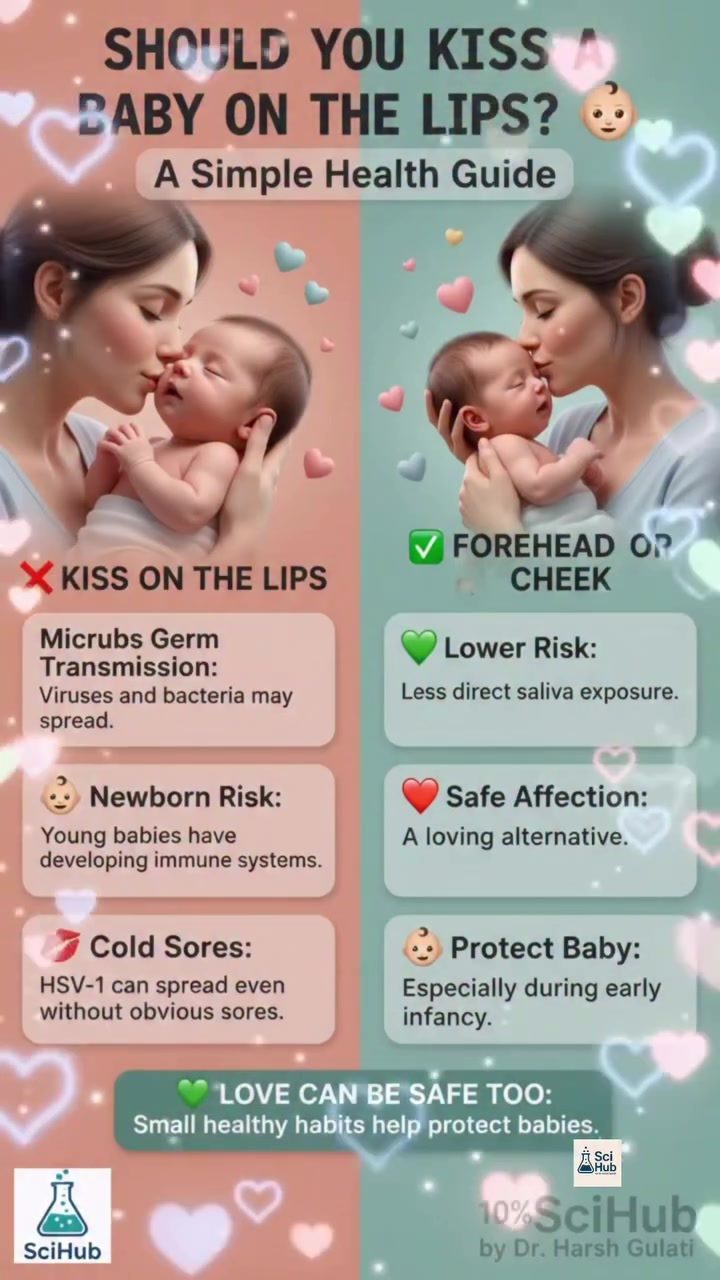
Kissing a baby is an adorable and loving act, but it's essential to be mindful of where you place that kiss. During the first few months of a baby's life, pediatricians advise against kissing them on the lips. This recommendation is based on several key health considerations.
Why This Matters
The initial months of a baby's life are crucial for their immune system development. Newborns are particularly vulnerable to infections, making it essential to take precautions to protect them from viruses and bacteria. Understanding the risks and taking simple preventive measures can help safeguard a baby's health.
Main Discussion
Germ Transmission
One of the primary reasons pediatricians recommend avoiding lip kisses is the risk of germ transmission. Saliva can easily spread viruses and bacteria, including the herpes simplex virus type 1 (HSV-1), which causes cold sores. Even if an adult does not have a visible cold sore, the virus can still be present and contagious. Direct mouth-to-mouth contact increases the likelihood of transmitting these germs to a baby.
Newborn Immune Systems
Babies, especially newborns, have developing immune systems. They are more susceptible to infections compared to older children and adults. Their immune systems are not yet fully equipped to fight off infections, making them more vulnerable to illnesses transmitted through saliva.
Cold Sores and HSV-1
Cold sores are caused by the herpes simplex virus type 1 (HSV-1). This virus can spread even when there are no visible sores. Adults may unknowingly carry the virus and transmit it to a baby through a lip kiss. This risk is particularly high during the early months of a baby's life, when their immune system is still developing.
Safer Alternatives
Avoiding lip kisses does not mean you can't show affection. Kissing a baby on the forehead or cheek is a safer alternative. These areas have less direct saliva exposure, reducing the risk of transmitting germs while still expressing love and comfort.
Practical Tips
Hand Hygiene
Washing your hands before handling your baby is a simple yet effective way to protect them from infections. Regular handwashing can help remove germs and reduce the risk of transmitting illnesses.
Avoid Close Contact When Sick
If you are feeling unwell, it is best to avoid close face-to-face kisses. Delay these interactions if you have a fever, cough, flu-like symptoms, or any contagious illness. This precaution can help minimize the risk of transmitting infections to your baby.
Encourage Others to Follow Suit
Ask friends and relatives to refrain from kissing newborns on the face or lips. This precaution extends the protection to include close family and friends who may also wish to show affection to the baby.
Important Takeaways
- Gentle Habits Matter: Small, healthy habits can significantly help protect babies from infections.
- Newborns are Vulnerable: Their developing immune systems make them more susceptible to illnesses.
- Safe Affection: Opt for forehead or cheek kisses to express love while minimizing risk.
- Protect During Early Infaency: Be particularly cautious during the first few months of a baby's life.
- Community Awareness: Encourage family and friends to follow these guidelines to ensure the baby's safety.
Conclusion
Kissing a baby on the lips might seem like a harmless act of affection, but it carries risks, especially during the first few months of a baby's life. By understanding the risks of germ transmission and taking simple precautions, you can help protect your baby from potential infections. Opting for forehead or cheek kisses, maintaining good hygiene, and being cautious when sick are all practical steps that can make a significant difference in safeguarding your baby's health.
Watch the Reel
Questions readers ask
Why should I avoid kissing my newborn on the lips?
Newborns have underdeveloped immune systems, making them more susceptible to infections. Kissing them on the lips can transmit germs and viruses, including HSV-1 (cold sores), which can cause serious health issues.
Can I kiss my newborn if I have a cold sore?
It is strongly advised to avoid kissing your newborn if you have a cold sore, as the herpes simplex virus (HSV-1) can be transmitted through saliva. This virus can be particularly dangerous for newborns, even if you do not have visible symptoms.
What are the risks of HSV-1 transmission to newborns?
HSV-1 can cause severe infections in newborns, potentially leading to conditions such as encephalitis or disseminated herpes, which can have serious long-term effects on a baby's health.
Are there safe ways to show affection to a newborn if I can't kiss them on the lips?
Absolutely. You can show affection by kissing the baby's cheeks, forehead, or hands. You can also hold, cuddle, and gently touch the baby to build a strong bond without compromising their health.
How long should I wait before kissing my newborn on the lips?
Pediatricians typically advise waiting until the baby's immune system is more developed, usually around the 3- to 6-month mark. However, it's always best to consult with your pediatrician for personalized advice.
What should I do if someone with a cold sore wants to kiss my newborn?
Politely explain the risks and ask them to refrain from kissing the baby on the lips. Encourage them to show affection through other means, such as gentle touching or holding, to keep the baby safe.
Can I transmit other illnesses to my newborn through lip kisses?
Yes, lip kisses can transmit a variety of germs and viruses beyond HSV-1, including the common cold, flu, and other infections. Newborns are particularly vulnerable, so it's important to be cautious with direct contact.
Related deep dives
Similar reads based on topic and creator.

Recent articles
Fresh deep dives from the latest Reels we unpacked.




Comments
Be the first to comment.