Microplastics Supplement
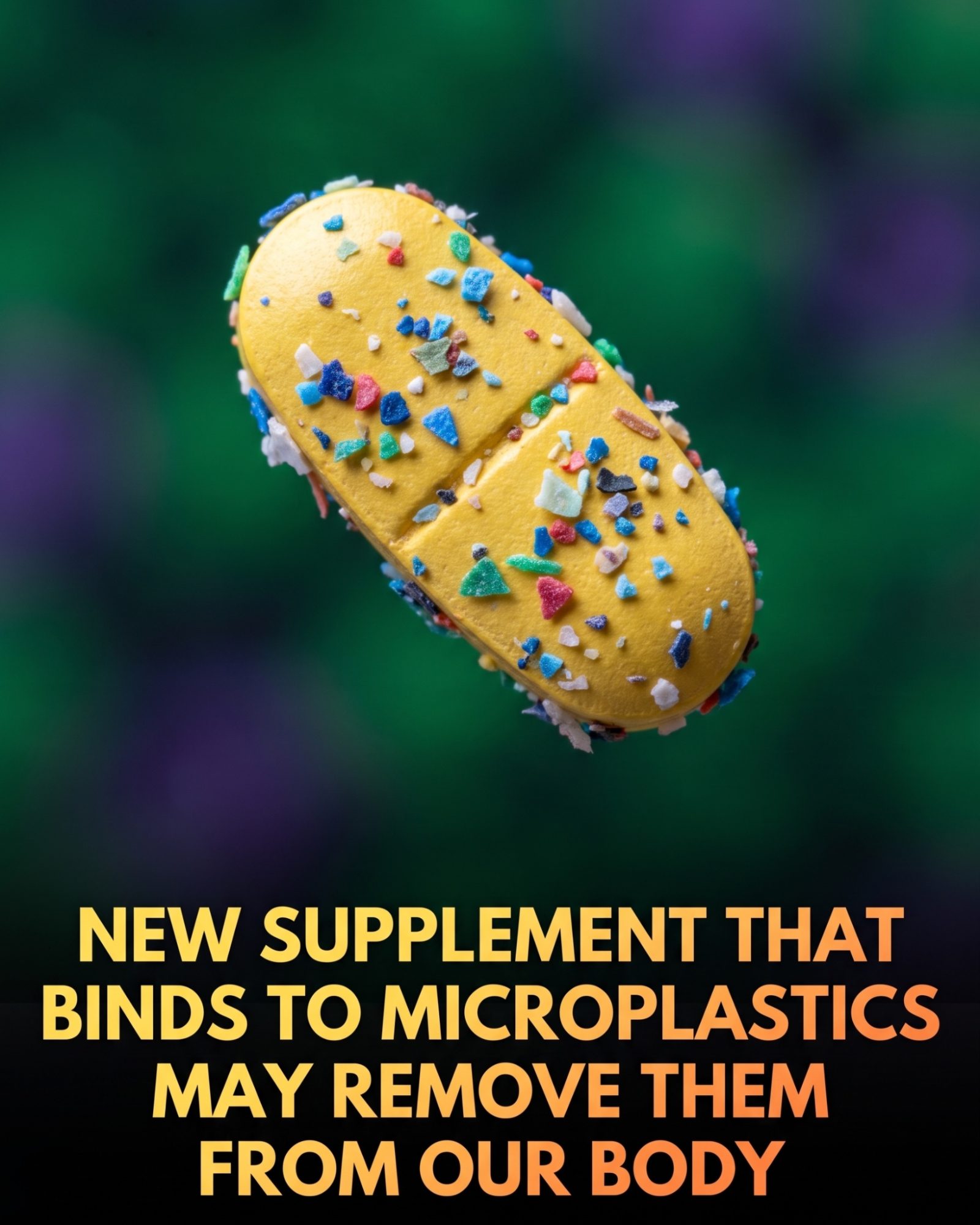
Microplastics are a growing concern in our environment and our bodies. A recent human trial has introduced a new supplement designed to act as a "plastic magnet," helping to bind and remove these harmful particles from our digestive systems.
Context / Why This Matters
Microplastics have become ubiquitous in our environment, contaminating our water, food, and even the air we breathe. These tiny synthetic particles, often less than 5 millimeters in size, are the result of larger plastic debris breaking down over time. As a result, our bodies can absorb these particles, leading to potential health risks. Recent studies have linked microplastic exposure to various health issues, including cardiovascular events and neurological problems. Thus, finding effective ways to mitigate the body's exposure to these particles is crucial.
Main Discussion
The Unique Postbiotic Formula
The supplement in question utilizes a unique postbiotic composed of heat-killed bacteria. These bacteria have highly textured cell walls that act as a physical magnet for microscopic plastic debris in the digestive tract. By binding to these microplastics, the supplement prevents them from penetrating the gut lining, ensuring that the particles pass harmlessly through the body instead of accumulating in vital organs or the bloodstream.
The Science Behind the Supplement
The supplement's mechanism is based on the unique properties of the postbiotic, specifically a type called Qi601. When participants chewed plastic-releasing gum, the supplement demonstrated a clear ability to bind and capture the plastic particles in the mouth. This indicates that the postbiotic can effectively trap microplastics before they are absorbed into the body. The postbiotic works by acting as a "plastic magnet," binding to the microplastics and preventing their absorption into the body. This approach represents a significant shift from merely trying to avoid environmental plastics to actively purging them from our digestive systems.
Early Results and Future Trials
While the initial trials are promising, experts caution that this supplement is not a cure-all. The trial showed that the supplement could prevent new absorption of microplastics, but it does not remove particles that have already accumulated in tissues over time. Researchers are planning larger clinical trials to further investigate the supplement's efficacy and safety. The goal is to develop a widely available and effective treatment for reducing the health risks associated with microplastic exposure.
Potential Benefits
The potential benefits of this supplement are vast. Microplastics have been found in various tissues and organs in the human body, and their long-term effects are not yet fully understood. By reducing the absorption of these particles, the supplement could help mitigate potential health risks. This is especially important given the increasing evidence linking microplastic exposure to serious health issues.
Expert Opinions
Experts in the field are cautiously optimistic about the potential of this supplement. They recognize the need for further research and larger clinical trials to fully understand its effects. However, the initial results are promising, and the concept of using postbiotics to bind and remove microplastics represents a novel approach to this growing health concern.
Practical Tips
If you are interested in this supplement, it’s essential to stay informed about the ongoing research and clinical trials. While the initial results are promising, more data is needed to fully understand the supplement's benefits and potential side effects. Consulting with a healthcare provider is also crucial, especially if you have specific health concerns or conditions. As the research progresses, staying informed about any updates or developments can help you make an informed decision about incorporating this supplement into your health regimen.
Important Takeaways
- The new supplement acts as a "plastic magnet," binding to microplastics in the digestive tract and preventing their absorption into the body.
- Initial trials show promise, but the supplement is not a cure-all and does not remove microplastics that have already accumulated in tissues.
- The postbiotic used in the supplement, Qi601, is composed of heat-killed bacteria with highly textured cell walls that bind to plastic particles.
- Larger clinical trials are planned to further investigate the supplement's efficacy and safety.
- Experts are cautiously optimistic about the potential of this supplement to mitigate the health risks associated with microplastic exposure.
Conclusion
The introduction of this new supplement marks a significant step in addressing the growing concern of microplastic contamination in our bodies. By acting as a "plastic magnet," it offers a novel approach to preventing the absorption of these harmful particles. While more research is needed, the initial results are promising and suggest that this supplement could play a valuable role in protecting our health. As research continues, staying informed and consulting with healthcare providers will be essential in understanding the full potential of this groundbreaking supplement.
Watch the Reel
Questions readers ask
How does the new supplement help with microplastic removal from the body?
The supplement is designed to bind to microplastics in the digestive system, acting as a 'plastic magnet'. This process prevents the body from absorbing these harmful particles, allowing them to be safely excreted from the body.
What are microplastics and why are they a concern in the body?
Microplastics are tiny synthetic particles, often smaller than 5 millimeters, resulting from the breakdown of larger plastic debris. They pose a concern as they can enter our bodies through water, food, and air, and may contribute to various health issues, including cardiovascular and neurological problems.
How does the supplement target microplastics specifically?
The supplement contains components that act as microplastic binders. These binders selectively target and attach to the synthetic particles, ensuring they are not absorbed into the body.
Can this supplement improve overall digestive health?
While the primary function of the supplement is microplastic removal, promoting the elimination of non-absorbable particles can indirectly improve digestive health by reducing the potential health risks associated with microplastic accumulation in the body, which can cause inflammation and other gastrointestinal issues.
Are there any other supplements that help remove microplastics?
As of now, the supplement is a relatively new product, and there are no widely recognized alternatives specifically designed for microplastic removal. However, other postbiotic supplements may help improve gut health and potentially reduce the impact of microplastics.
How can I know if this supplement is right for me?
If you are concerned about microplastic exposure and its potential health risks, this supplement could be a beneficial addition to your health regimen. However, it is always a good idea to consult with a healthcare professional before starting any new supplement, especially if you have underlying health conditions or are taking other medications.
Related deep dives
Similar reads based on topic and creator.



Recent articles
Fresh deep dives from the latest Reels we unpacked.




Comments
Be the first to comment.