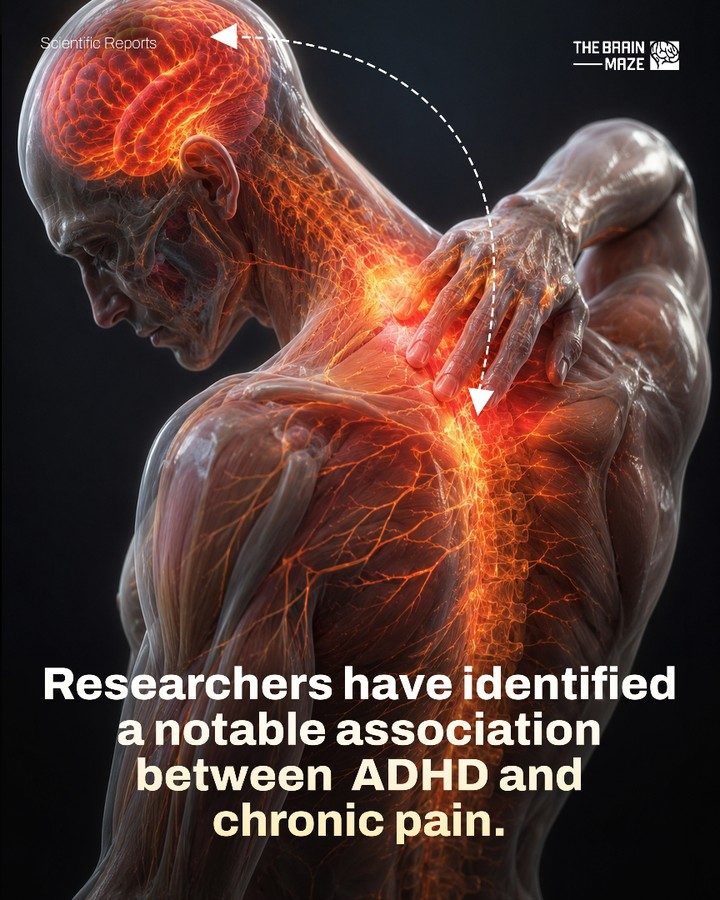
ADHD and Chronic Pain
Attention Deficit Hyperactivity Disorder (ADHD) is a neurodevelopmental condition characterized by symptoms such as inattention, hyperactivity, and impulsivity. Chronic pain, on the other hand, is a persistent pain that lasts for more than three months. Recent research published in Scientific Reports has identified a notable association between ADHD and chronic pain, suggesting that individuals with ADHD may be more susceptible to experiencing persistent pain.
Context / Why this matters
Understanding the link between ADHD and chronic pain is crucial for both healthcare professionals and individuals living with these conditions. Chronic pain can significantly impact daily life, affecting mood, sleep, and overall well-being. For those with ADHD, the added burden of chronic pain can exacerbate existing challenges, making it even more difficult to manage symptoms and maintain quality of life.
Main discussion
The Connection Between ADHD and Chronic Pain
The association between ADHD and chronic pain involves several interconnected factors:
Pain Processing
People with ADHD may experience changes in how their brains process pain signals. This altered pain processing can make them more sensitive to painful stimuli, leading to increased perception of pain. The brain's ability to modulate pain signals is influenced by various factors, including neurotransmitter levels and neural pathways, which can be affected by ADHD.
Attention and Emotional Stress
ADHD is characterized by difficulties with attention and focus. When dealing with chronic pain, individuals with ADHD may find it particularly challenging to shift their attention away from the pain. This heightened focus on pain can intensify the emotional stress associated with it.
Sleep and Emotional Stress
Sleep disturbances are common in both ADHD and chronic pain conditions. Poor sleep quality can exacerbate pain sensations and emotional stress, creating a vicious cycle. Chronic pain can disrupt sleep patterns, while ADHD itself can cause restless nights and daytime fatigue. This interplay can make it harder for individuals to manage both conditions effectively.
Nervous System Regulation
The nervous system plays a crucial role in regulating pain and emotional responses. ADHD can affect the regulation of the autonomic nervous system, which controls involuntary bodily functions such as heart rate, blood pressure, and digestion. These disruptions can influence how the body responds to pain, leading to increased sensitivity and prolonged pain sensations.
Clinical Implications
The connection between ADHD and chronic pain highlights the need for better clinical awareness and treatment strategies. Healthcare providers should consider the potential interplay between these conditions when assessing and managing patients with ADHD. This may involve:
- Comprehensive Assessments: Evaluating patients for both ADHD and chronic pain symptoms to tailor treatment plans effectively.
- Integrated Treatment Plans: Developing multidisciplinary approaches that address both conditions simultaneously, incorporating psychological, pharmacological, and physical therapies.
- Patient Education: Informing patients about the link between ADHD and chronic pain to help them better understand and manage their symptoms.
Practical tips
For Those Living with ADHD and Chronic Pain
- Mindfulness and Relaxation Techniques: Practices such as mindfulness meditation, deep breathing exercises, and progressive muscle relaxation can help manage both ADHD symptoms and chronic pain.
- Regular Physical Activity: Engaging in regular physical activity can improve mood, sleep, and pain management. However, it is essential to choose activities that are low-impact and suitable for your pain levels.
- Maintaining a Healthy Sleep Routine: Establishing a consistent sleep schedule and creating a relaxing bedtime routine can improve sleep quality and reduce pain and ADHD symptoms.
- Therapy and Support Groups: Cognitive Behavioral Therapy (CBT) and support groups can provide valuable tools and emotional support for managing both ADHD and chronic pain.
Important takeaways
- The association between ADHD and chronic pain is a complex interplay of pain processing, attention, sleep, emotional stress, and nervous system regulation.
- Healthcare professionals need to be aware of this connection to provide comprehensive care and tailored treatment plans.
- Individuals with ADHD and chronic pain can benefit from integrated treatment approaches, including mindfulness, physical activity, healthy sleep habits, and therapy.
Conclusion
The intersection of ADHD and chronic pain presents unique challenges for those living with these conditions. By understanding the intricate relationship between these two conditions and recognizing their impact on pain processing, attention, sleep, and emotional stress, we can develop more effective strategies to manage and improve quality of life. This knowledge will also empower healthcare professionals to provide better care and support to individuals with ADHD, ultimately helping to alleviate the burden of chronic pain.
Watch the Reel
Questions readers ask
Does ADHD directly cause chronic pain?
No, ADHD does not directly cause chronic pain. However, individuals with ADHD may be more likely to experience persistent pain due to altered pain processing and other factors related to the condition.
How does ADHD affect pain processing?
ADHD can alter pain processing in the brain, making individuals with this condition more sensitive to pain. This heightened sensitivity can contribute to the experience of chronic pain.
Can treating ADHD help manage chronic pain?
While treating ADHD does not directly cure chronic pain, managing ADHD symptoms can improve overall wellbeing and potentially reduce the impact of chronic pain. This can be achieved through a combination of medication, therapy, and lifestyle changes.
What role do sleep disturbances play in the link between ADHD and chronic pain?
Sleep disturbances are common in individuals with ADHD and can exacerbate both ADHD symptoms and chronic pain. Poor sleep quality can lower the pain threshold, making pain more intense and persistent.
How can healthcare professionals address chronic pain in patients with ADHD?
Healthcare professionals should consider a holistic approach, addressing both ADHD symptoms and pain management strategies. This may include a combination of medication, cognitive-behavioral therapy, and lifestyle modifications tailored to the individual's needs.
What are some common indicators of altered pain processing in individuals with ADHD?
Altered pain processing in individuals with ADHD can manifest as increased sensitivity to pain, difficulty in tolerating discomfort, and a lower threshold for perceiving pain stimuli as painful. These indicators can be crucial for recognizing the connection between ADHD and chronic pain.
Are there specific brain regions involved in the relationship between ADHD and chronic pain?
Research suggests that the prefrontal cortex, basal ganglia, and other brain regions involved in attention, motor control, and emotional regulation may play a role in the relationship between ADHD and chronic pain. These areas are often affected in individuals with ADHD and may contribute to altered pain processing.
Related deep dives
Similar reads based on topic and creator.

Recent articles
Fresh deep dives from the latest Reels we unpacked.




Comments
Be the first to comment.