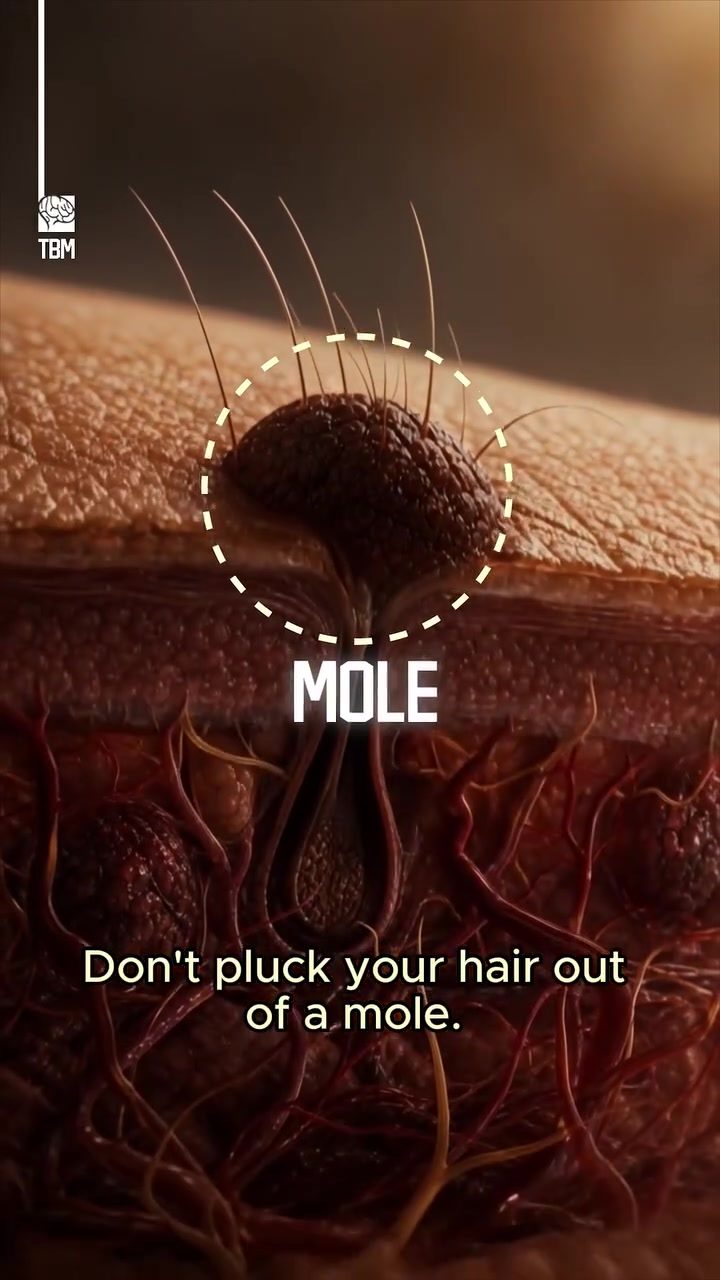
Moles: The Delicate Skin Structures and Why You Shouldn't Pluck Hair from Them
Moles are common skin growths that can appear anywhere on the body. They are typically harmless, but it's crucial to understand their structure and the potential risks associated with certain practices, such as plucking hair from a mole. Moles contain tightly packed skin cells, pigment-producing cells, blood vessels, and hair follicles arranged in a sensitive structure beneath the surface. This delicate arrangement means that moles require careful handling to avoid irritation, damage, or other complications.
Why This Matters
Understanding the structure and sensitivity of moles is vital for maintaining skin health. Moles are not merely cosmetic features; they are complex structures with specific functions and vulnerabilities. By recognizing the potential risks associated with plucking hair from a mole, you can better protect your skin and avoid unnecessary complications.
Main Discussion
The Structure of a Mole
Moles are composed of several key components:
- Tightly packed skin cells: These cells give moles their distinct shape and texture.
- Pigment-producing cells (melanocytes): These cells produce melanin, the pigment that gives moles their color.
- Blood vessels: Moles have a network of tiny blood vessels that supply nutrients and oxygen to the mole.
- Hair follicles: Many moles contain hair follicles, which can produce hairs that grow out of the mole.
The Risks of Plucking Hair from a Mole
Plucking hair from a mole can have several adverse effects:
- Irritation and inflammation: The pulling force from plucking can irritate the surrounding tissue, leading to redness, swelling, and discomfort.
- Damage to blood vessels: Plucking hair can damage the tiny blood vessels within the mole, potentially causing bleeding or bruising.
- Increased risk of infection: Any trauma to the skin can increase the risk of infection, as the disturbed tissue is more susceptible to bacterial or viral invasion.
- Changes in appearance: Repeated plucking can cause scarring, alter the mole's shape, or change its color, making it harder to monitor for any genuine changes that may need medical attention.
- Disruption of immune and skin cells: Plucking can disrupt the connection between the hair follicle and nearby immune and skin cells, increasing the chances of irritation and infection.
Why Moles Are Delicate Areas of Skin
Moles are particularly sensitive due to their unique structure and the delicate nature of the cells and tissues they contain. Repeated trauma, such as plucking hair, can cause scarring and make it harder to notice genuine changes that may require medical attention.
Practical Tips
How to Care for Moles
To keep moles healthy and minimize risks:
- Leave them undisturbed: Avoid plucking or picking at hairs growing from moles.
- Monitor changes: Regularly check moles for any changes in size, shape, color, or texture. If you notice any significant changes, consult a healthcare professional.
- Protect from the sun: Use sunscreen and wear protective clothing to shield moles from excessive sun exposure, which can increase the risk of skin cancer.
When to See a Doctor
While most moles are harmless, it's essential to be aware of any changes that may indicate a problem. See a doctor if you notice any of the following:
- Asymmetry: One half of the mole does not match the other half.
- Border irregularity: The edges of the mole are ragged, notched, or blurred.
- Color variation: The mole has different shades of brown, black, or even red, white, or blue.
- Diameter: The mole is larger than 6 millimeters (about ¼ inch) in diameter, although some people have large, harmless moles.
- Evolving: The mole is changing in size, shape, or color, or bleeding.
Important Takeaways
- Moles are complex structures with tightly packed skin cells, pigment-producing cells, blood vessels, and hair follicles.
- Plucking hair from a mole can cause irritation, inflammation, and damage to the surrounding tissue and tiny blood vessels.
- Repeated trauma to moles can lead to scarring and make it harder to notice genuine changes that may need medical attention.
- Regularly monitor moles for any changes, and consult a healthcare professional if you notice anything unusual.
Conclusion
Moles are delicate skin structures that require careful handling. By understanding the risks associated with plucking hair from moles, you can better protect your skin and maintain overall skin health. Always leave mole hairs untouched, monitor for any changes, and seek medical attention if needed.
Watch the Reel
Questions readers ask
Why do moles have hair?
Moles often have hair because they contain hair follicles, which are small, tube-like structures in the skin that produce hair. These hair follicles are part of the complex structure of moles, which also includes skin cells, pigment-producing cells, and blood vessels.
Can plucking hair from a mole cause damage?
Yes, plucking hair from a mole can cause damage. Moles have delicate structures, and removing hair can lead to irritation, damage to the hair follicle, and even potential scarring. This is because the hair follicles in moles are closely aligned with other sensitive tissues.
What are the risks of plucking hair from a mole?
The main risks of plucking hair from a mole include irritation, potential scarring, and infection. The delicate skin and sensitive structures in a mole make it susceptible to damage, which can lead to complications if not handled carefully. The hair follicle can be damaged, leaving the mole vulnerable to infection.
How can I safely remove hair from a mole?
It is not recommended to remove hair from a mole. However, if you are concerned about the appearance of hair on your mole, you should consult with a dermatologist. They can provide safe and effective methods for managing hair on moles without causing damage or irritation.
Why is it important to handle moles with care?
Moles should be handled with care because they are complex skin structures with delicate arrangements of skin cells, pigment-producing cells, blood vessels, and hair follicles. Plucking hair or other forms of inappropriate handling can cause irritation, damage, or infection.
What should I do if I accidentally pluck hair from a mole?
If you accidentally pluck hair from a mole, monitor the area for signs of irritation, redness, or infection. If you notice any concerning symptoms, such as increased pain, swelling, or discharge, seek medical attention promptly. It's always best to avoid plucking hair from a mole to prevent these issues.
Related deep dives
Similar reads based on topic and creator.


Recent articles
Fresh deep dives from the latest Reels we unpacked.




Comments
Be the first to comment.