Prison Reform in the Netherlands
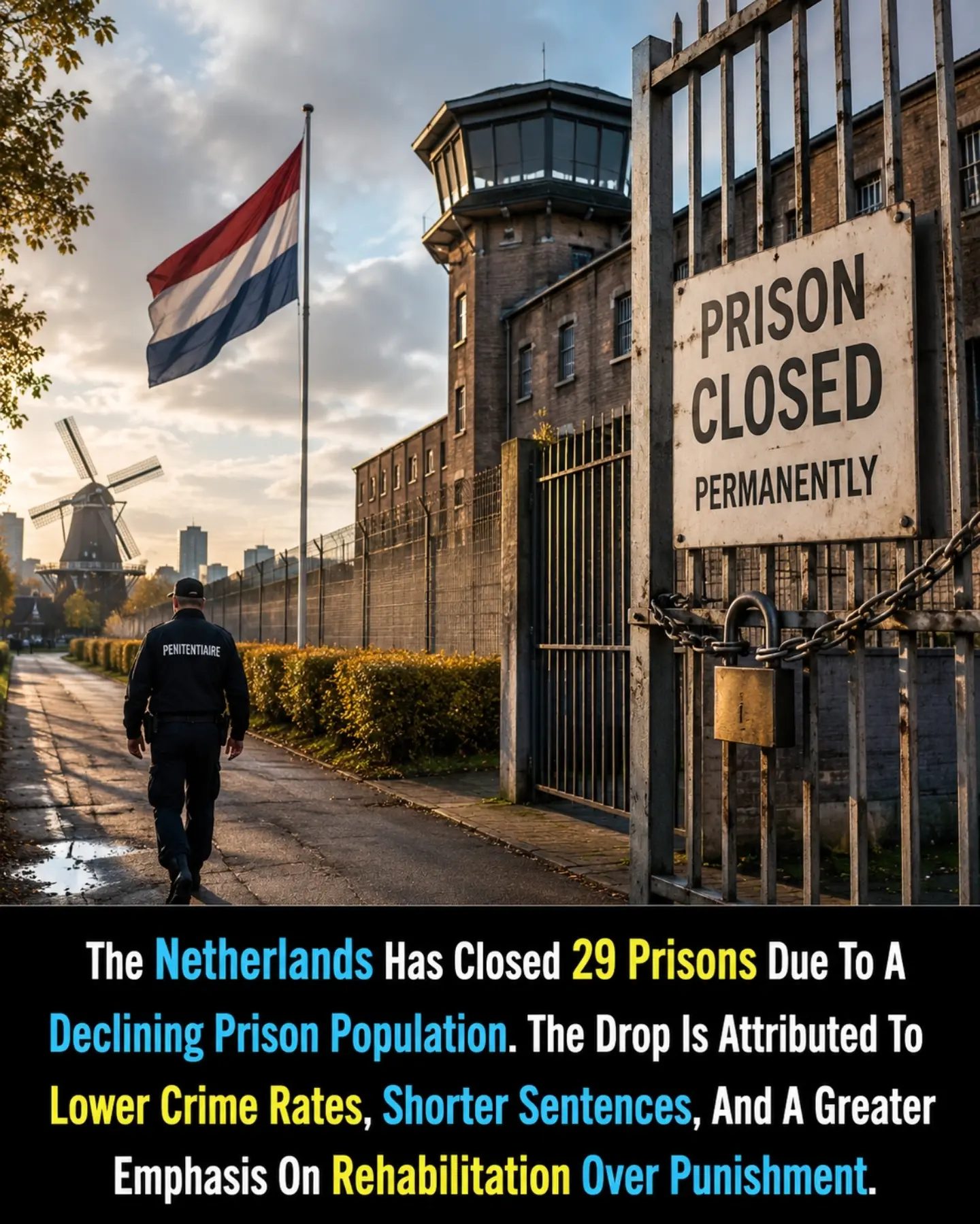
The Netherlands has made significant strides in prison reform, culminating in the closure of 29 prisons across the country. This dramatic shift is not just about reducing the physical infrastructure of the prison system but reflects a broader change in how the Dutch approach criminal justice.
Context / Why this matters
The decline in prison population in the Netherlands is a multifaceted issue, driven by several key factors. Understanding these factors provides insight into how other countries might approach similar challenges in their own criminal justice systems. The drop in prison population is attributed to lower crime rates, shorter sentences, and a greater emphasis on rehabilitation over punishment. This shift is part of a broader trend in many European countries that prioritize rehabilitation and reintegration over lengthy incarceration.
Main discussion
Lower Crime Rates
One of the most significant contributors to the declining prison population is the reduction in crime rates. Several factors have played a role in this trend, including effective policing strategies, community programs, and social initiatives aimed at preventing crime before it occurs. The Netherlands has invested heavily in community-based policing, which focuses on building relationships between law enforcement and the communities they serve. This approach has helped to create a more trusting environment where citizens are more likely to cooperate with police, leading to a reduction in criminal activity.
Shorter Sentences
Another critical factor is the implementation of shorter sentences for non-violent offenses. The Dutch legal system has shifted towards a more restorative justice model, where the focus is on making amends and reintegrating offenders back into society rather than simply punishing them. This approach has been supported by research showing that shorter sentences can be more effective in preventing recidivism compared to longer terms of incarceration.
Rehabilitative Focus
The emphasis on rehabilitation over punishment is a cornerstone of the Dutch prison reform. Rather than merely punishing offenders, the Dutch justice system aims to address the root causes of criminal behavior. This involves providing inmates with access to education, vocational training, and mental health services. The goal is to equip inmates with the skills and support they need to reintegrate into society successfully upon release. This approach has shown promising results, with lower recidivism rates and a more positive impact on public safety.
Permanent Closure of Prisons
As a result of these reforms, the Netherlands has permanently closed 29 prisons. The decision to close these facilities was driven by both practical and philosophical considerations. From a practical standpoint, the decline in the prison population meant that many facilities were underutilized. Keeping these prisons open would have required significant financial resources that could be better allocated to other areas of the criminal justice system. Philosophically, the closure of these prisons is a symbol of the country's commitment to a more humane and effective approach to criminal justice.
Practical tips
If you're interested in understanding how these reforms have been implemented in practice, it's useful to look at specific initiatives and programs in the Netherlands. For example:
Community-Based Programs
Community-based programs play a crucial role in reducing crime rates. These programs often involve partnerships between local communities, law enforcement, and social service providers. By working together, these stakeholders can identify and address the underlying factors that contribute to criminal behavior. This collaborative approach helps to create a safer and more supportive environment for everyone.
Restorative Justice
Restorative justice programs focus on repairing the harm caused by crime rather than simply punishing the offender. These programs involve bringing together victims, offenders, and community members to discuss the impact of the crime and develop a plan for making amends. This approach helps to foster a sense of accountability and responsibility among offenders, making them more likely to avoid future criminal behavior.
Education and Vocational Training
Education and vocational training are essential components of the rehabilitation process. By providing inmates with access to these resources, the Dutch justice system aims to equip them with the skills and knowledge they need to reintegrate into society successfully. This approach not only benefits the inmates but also contributes to public safety by reducing recidivism rates.
Important takeaways
The prison reform initiatives in the Netherlands offer valuable lessons for other countries grappling with similar challenges. By focusing on lower crime rates, shorter sentences, and a greater emphasis on rehabilitation, the Dutch have demonstrated that a more humane and effective approach to criminal justice is possible. The closure of 29 prisons is a testament to the success of these reforms and serves as a model for other nations looking to make similar changes.
Conclusion
The Dutch approach to prison reform, characterized by a decline in prison population, shorter sentences, and a greater emphasis on rehabilitation, provides a compelling example of how criminal justice systems can be transformed. By prioritizing community-based programs, restorative justice, and education, the Netherlands has not only reduced its prison population but also created a more just and effective system. As other countries consider similar reforms, the experiences and successes of the Netherlands offer valuable insights and practical tips for achieving meaningful change.
Watch the Reel
Questions readers ask
Why has the Netherlands closed so many prisons?
The Netherlands has closed 29 prisons due to a significant decline in the prison population. This decrease is a result of lower crime rates, shorter sentences, and a greater focus on rehabilitation programs, which are all part of a broader reform in the Dutch criminal justice system.
What are the key factors contributing to the decline in crime rates in the Netherlands?
The key factors contributing to the decline in crime rates in the Netherlands include effective policing strategies, community involvement, and a strong emphasis on preventative measures. Additionally, the country's investment in social programs aimed at reducing recidivism and promoting public safety has played a significant role.
How does the Netherlands' approach to rehabilitation differ from traditional incarceration methods?
The Netherlands' approach to rehabilitation focuses on reintegrating offenders into society through targeted programs, rather than relying solely on lengthy imprisonment. This includes vocational training, therapy, and community-based initiatives. The goal is to address the root causes of criminal behavior and equip individuals with the skills needed to lead productive lives.
What role do shorter sentences play in the prison reform initiative in the Netherlands?
Shorter sentences in the Netherlands are part of a strategy to reduce the prison population and redirect resources toward more effective rehabilitation and community-based programs. By focusing on shorter, more targeted sentences, the Dutch criminal justice system aims to lower recidivism rates and improve public safety.
How does the closure of prisons impact the Dutch criminal justice system?
The closure of prisons in the Netherlands reflects a shift toward a more efficient and effective criminal justice system. It allows for the reallocation of resources to support rehabilitation programs and community initiatives, ultimately contributing to a more balanced and humane approach to justice.
What can other countries learn from the Netherlands' prison reform efforts?
Other countries can learn from the Netherlands' emphasis on rehabilitation, shorter sentences, and community-based programs. By focusing on these areas, nations can potentially reduce crime rates, lower recidivism, and create a more sustainable and humane criminal justice system.
Are there any concerns or criticisms surrounding the Netherlands' prison closure and criminal justice reform?
While the reforms have been generally well-received, some critics argue that the focus on rehabilitation may be too lenient on certain offenders. There are also concerns about the potential overcrowding of remaining prisons if crime rates were to spike, which could compromise the effectiveness of the new approach.
Recent articles
Fresh deep dives from the latest Reels we unpacked.




Comments
Be the first to comment.