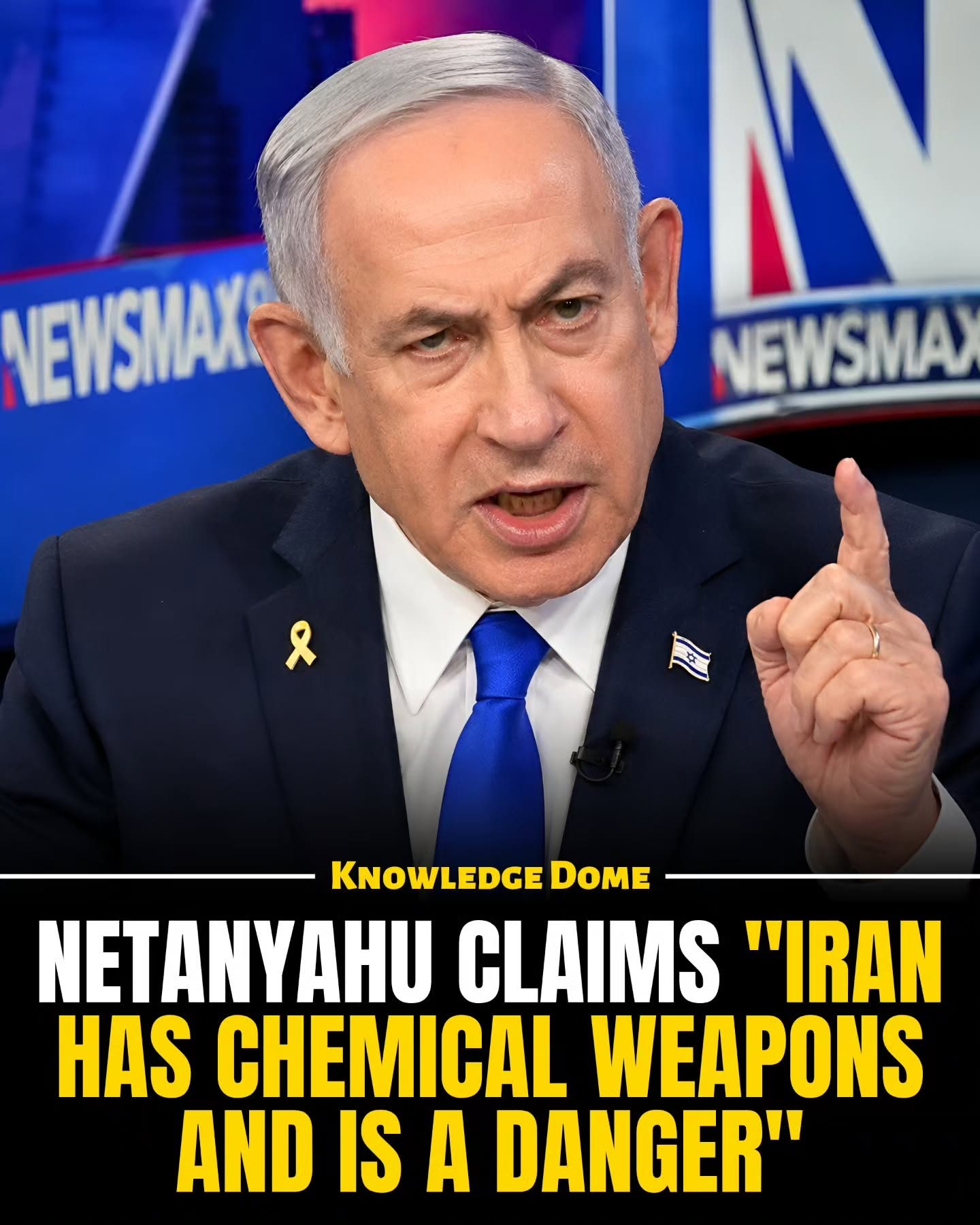
Iran's Threat and Israel's Response
Israeli Prime Minister Benjamin Netanyahu has recently emphasized the ongoing threat posed by Iran, asserting that the country remains a significant danger to global peace and security. During an interview on NEWSMAX, Netanyahu made several critical claims about Iran's military capabilities and intentions that have sparked renewed debate about the geopolitical landscape of the Middle East.
Context: Why This Matters
Iran's military ambitions and the perception of its threat have been a focal point of international politics for decades. The potential for nuclear, chemical, and missile developments in Iran are issues of global concern, as they impact regional stability and the broader nuclear non-proliferation agenda.
Additionally, recent actions and statements from Iran have kept the world on edge, making Netanyahu's comments timely and significant. The Prime Minister's claims bring renewed attention to the potential dangers posed by Iran and validate Israel's concerns about its regional security.
Main Discussion
Iran's Alleged Chemical Weapons
Netanyahu's assertion that Iran "definitely has chemical weapons" is particularly alarming. While there is no clear public proof to support this claim, it underscores the deep-seated fears about Iran's military capabilities. Chemical weapons, if indeed in Iran's arsenal, would add a new and horrifying layer to the region's security threats.
Missile Program and Nuclear Ambitions
Iran's missile program and past nuclear work are also highlighted as significant threats. Netanyahu's comments suggest that Iran has no qualms about using destructive weapons to achieve its goals, indicating a ruthless strategy that prioritizes geopolitical gains over human life. This perspective is supported by past actions and rhetoric from Iranian leaders, which often position the country as a staunch defender of its interests.
The Impact of Recent Military Strikes
Netanyahu also mentioned recent joint military strikes by the United States and Israel, which he claims have significantly damaged Iran's nuclear program. According to him, these attacks destroyed crucial infrastructure, including factories and centrifuges, and even resulted in the loss of key nuclear scientists. These actions have reportedly set back Iran's nuclear capabilities, but Netanyahu remains cautious, indicating that Iran still poses a major threat.
Iran's Strategic Calculations
The Iranian regime's strategic calculations are another critical aspect of Netanyahu's warnings. He suggests that Iran would not hesitate to deploy its weapons if it believed doing so would harm its enemies. This mindset is troubling, as it implies a willingness to engage in destructive acts without regard for civilian casualties. For Netanyahu, this represents a core element of Iran's threat, emphasizing the need for vigilance and preparedness.
International Response and Public Perception
Netanyahu's warnings have sparked renewed debate and fear about Iran’s role in global security. While there is no concrete public proof to support the claims about chemical weapons, the Prime Minister's statements have added fuel to the fire, prompting further scrutiny of Iran’s capabilities and intentions. This heightened public perception can influence international policies, military strategies, and diplomatic efforts, underscoring the importance of maintaining a balanced and informed approach.
Practical Tips
Staying Informed
Keeping abreast of ongoing developments in the region is crucial for understanding the evolving geopolitical landscape. Regularly following credible news sources, expert analyses, and official statements can provide a more comprehensive view of the situation.
Evaluating Sources
Given the sensitivity of the topic, it is essential to critically evaluate the information available. Cross-referencing multiple sources, including official statements, independent analyses, and expert opinions, can provide a more accurate and balanced perspective.
Engaging in Constructive Dialogue
Engaging in constructive dialogue and debates within your community, whether through group discussions, social media, or other platforms, ensures that diverse viewpoints are considered. This inclusivity can help foster a more nuanced understanding of the complex issues involved.
Important Takeaways
Ongoing Threat Assessment
The threat posed by Iran, as highlighted by Netanyahu, underscores the need for ongoing threat assessment and preparedness. Countries must continually evaluate Iran’s capabilities and intentions to ensure their security measures are adequate and effective.
Diplomatic Efforts
Diplomatic efforts remain crucial in managing the situation, ensuring that negotiations and discussions continue to address the root causes of the conflict and promote stability in the region.
Public Awareness
Public awareness and engagement are critical in understanding the complexities of the geopolitical landscape. Staying informed and actively participating in discussions can contribute to a more informed and engaged public, capable of influencing policy and promoting peace.
Conclusion
Iran's alleged possession of chemical weapons, its missile program, and past nuclear ambitions are significant concerns that demand the world's attention. Prime Minister Netanyahu's recent statements have renewed the debate about Iran's role in global security, highlighting the need for vigilance, preparedness, and constructive dialogue. As the situation evolves, staying informed and engaging in thoughtful discussions will be essential in navigating the complexities of this critical issue.
Watch the Reel
Questions readers ask
Why is Benjamin Netanyahu focusing on Iran's chemical weapons?
Benjamin Netanyahu has highlighted Iran's chemical weapons as a significant threat to global safety, given Iran's history of developing and using such weapons. This focus is part of a broader concern about Iran's military capabilities and their potential impact on regional and global security.
What specific threats did Netanyahu mention in his speech?
In his recent speech, Netanyahu cited Iran's chemical weapons and missile program as major threats. These claims underscore Israel's long-standing concerns about Iran's military ambitions and their implications for global peace and security.
How does Iran's missile program contribute to global insecurity?
Iran's missile program is a concern because it enhances Iran's ability to deliver weapons, including chemical and potentially nuclear payloads, over long distances. This capability poses a direct threat to neighboring countries and raises alarm about the broader geopolitical stability of the Middle East.
What is the significance of Netanyahu's warning about Iran's nuclear capabilities?
Netanyahu's warning about Iran's nuclear capabilities is significant because it highlights the potential for Iran to develop nuclear weapons. This is a critical issue for global security, as it could destabilize the region and provoke a nuclear arms race.
What actions has Israel taken in response to Iran's military ambitions?
Israel has taken a range of actions in response to Iran's military ambitions, including diplomatic efforts to raise awareness and garner international support. Israel has also maintained a strong military posture and has conducted covert operations to disrupt Iran's nuclear and missile programs.
Why does the global community view Iran's military developments as a concern?
The global community views Iran's military developments as a concern because they impact regional stability and the broader non-proliferation agenda. The potential for Iran to develop nuclear, chemical, and advanced missile capabilities raises the risk of conflict and undermines global safety.
Recent articles
Fresh deep dives from the latest Reels we unpacked.




Comments
Be the first to comment.