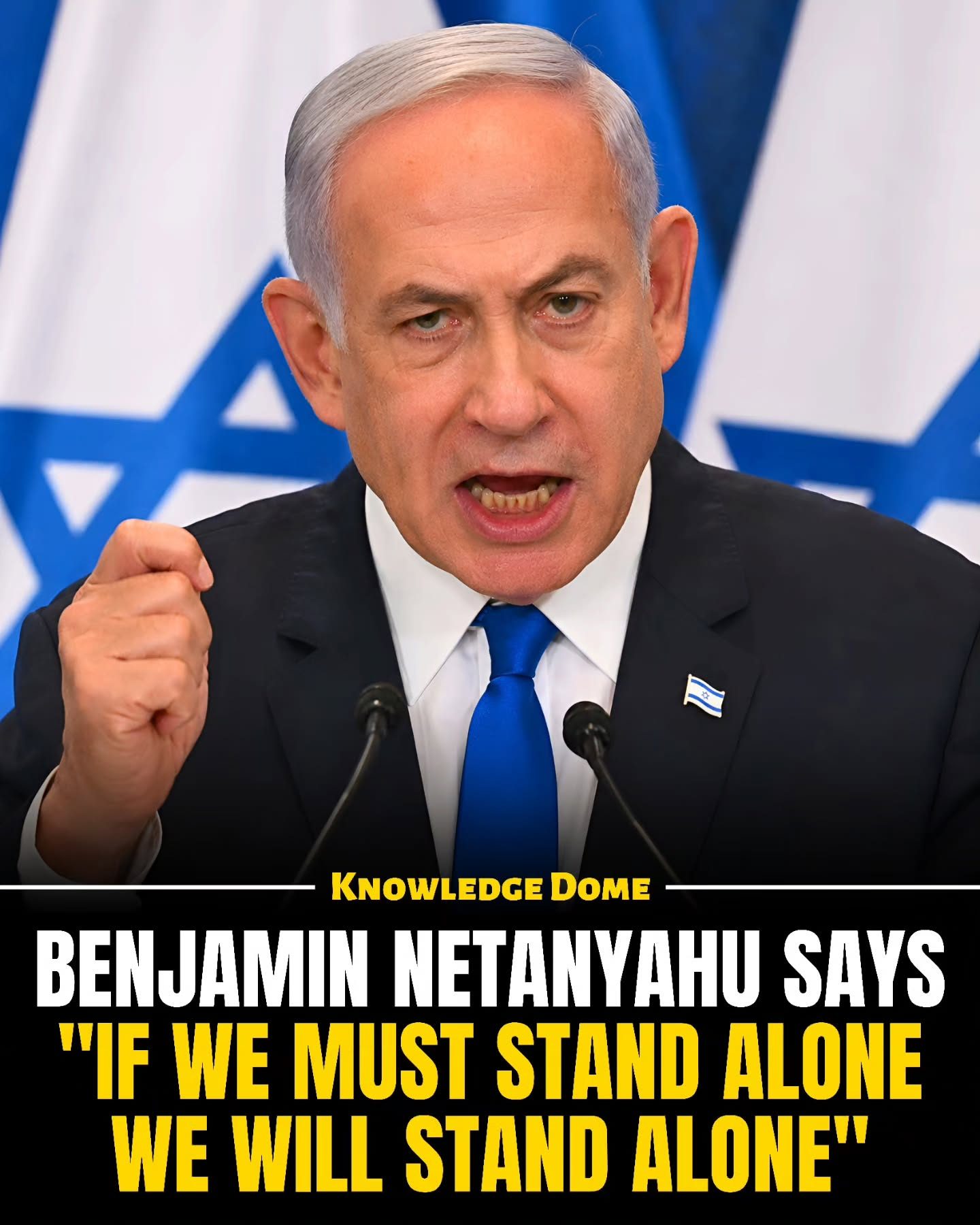
The Significance of Benjamin Netanyahu's Stand-Alone Phrase
Benjamin Netanyahu’s declaration, “If we must stand alone, we will stand alone,” has become a powerful and resonant phrase in Israel’s political and strategic narrative. This statement, delivered during a speech in May 2024, underscores Israel’s resolve to safeguard its interests and security, regardless of international pressure. Let’s delve into the context, implications, and impact of this statement.
Context / Why this matters
The phrase emerged during a period of heightened tensions and was reaffirmed during subsequent conflicts, particularly with Iran. Understanding the statement’s significance requires a look into Israel’s historical and political context.
Historical Context and Israel's Security Challenges
Israel has a long history of facing security threats and diplomatic pressure. From its establishment in 1948, the country has navigated a complex geopolitical landscape, often finding itself isolated. Netanyahu’s statement is a modern echo of this historical struggle.
Israel’s Isolation and International Pressure
Israel’s geographical and political isolation has often forced it to act independently. Throughout its existence, Israel has faced criticism and pressure from various international bodies and governments. This pressure has manifested in various forms, including economic sanctions, diplomatic boycotts, and military threats. Netanyahu’s statement underscores Israel’s willingness to defend itself despite these challenges.
The Iranian Threat
The rise in tensions with Iran has been a significant factor in recent years. Missile attacks and growing conflict in the region have heightened Israel’s security concerns. Netanyahu’s reiteration of the “stand alone” message during this period serves as a reminder of Israel’s commitment to its defense and sovereignty.
Main Discussion
The Message of Self-Reliance
Netanyahu’s phrase is more than just a rhetorical flourish; it embodies a strategic and psychological stance. By stating that Israel is prepared to stand alone, Netanyahu sends a clear message to both domestic and international audiences. For Israeli citizens, it reinforces a sense of resilience and national unity. For the international community, it signals that Israel will not back down from its security commitments.
Symbol of Defiance and Independence
The quote has become a symbol of defiance and independence. It reflects Israel’s determination to maintain its sovereignty and security, even in the face of external opposition. This message is particularly important in a region where Israel often finds itself at odds with neighboring countries and international organizations.
The Role of the Israeli Flag
The backdrop of the Israeli flag in visual representations of this statement adds an emotional and symbolic layer. The flag, a powerful emblem of national identity, underscores the message of self-reliance and resolve. It serves as a visual reminder of the nation’s unity and its commitment to defending its interests.
Practical Tips for Understanding Israel’s Strategic Position
For those seeking to understand Israel’s strategic position, several key points are important to consider:
Importance of Historical Context:
Understanding Israel’s historical struggles and the geopolitical context in which it operates is crucial. The phrase “If we must stand alone, we will stand alone” is deeply rooted in this history and reflects a long-standing resolve.
Monitoring Regional Tensions:
Staying informed about ongoing conflicts and tensions in the Middle East, particularly with Iran, is essential. These tensions significantly influence Israel’s security policies and strategic decisions.
Understanding the Role of International Pressure:
Recognize the impact of international pressure on Israel’s decision-making. The phrase underscores Israel’s willingness to make independent choices, even when faced with external pressures and criticisms.
Important Takeaways
Israel’s preparedness to stand alone, as emphasized by Netanyahu, is a defining characteristic of its strategic posture. Netanyahu’s statement serves as a reminder of Israel’s resolve to defend itself, regardless of external pressures and threats. For those who follow geopolitical developments, this message provides valuable insights into Israel’s strategic thinking.
The phrase has become a symbol of defiance and independence, reflecting Israel’s determination to safeguard its sovereignty and security. By understanding the historical and political context, as well as the ongoing regional tensions, one can better grasp the significance of this statement.
Conclusion
Benjamin Netanyahu’s declaration, “If we must stand alone, we will stand alone,” stands as a powerful testament to Israel’s resilience and determination. This message, delivered against a backdrop of historical struggle and contemporary threats, encapsulates the nation’s commitment to self-reliance and security. By exploring the context and implications of this statement, observers gain deeper insight into Israel’s strategic outlook and its approach to navigating the complex geopolitical landscape.
Watch the Reel
Questions readers ask
What prompted Benjamin Netanyahu to make the 'stand alone' declaration?
Netanyahu's statement was made in response to increasing international pressure and regional threats, particularly from Iran. It was a defiant message aimed at asserting Israel's sovereignty and commitment to its security interests, especially during a period of heightened tensions.
How has Israel historically navigated global politics and threats?
Israel has long maintained a strong, independent stance in global politics, often navigating complex geopolitical landscapes to safeguard its interests. This has involved balancing relationships with allies while firmly asserting its sovereignty in the face of regional threats.
What is the significance of the phrase 'If we must stand alone, we will stand alone' in Israel's political narrative?
The phrase has become a powerful symbol of Israel's resolve and independence. It reflects a historical pattern of Israel navigating international relations and regional threats with a steadfast commitment to its security and sovereignty.
What does Israel's 'stand alone' policy entail?
Israel's 'stand alone' policy involves a strong, defiant stance on its security and sovereignty. This includes maintaining a robust military presence, independent decision-making, and a willingness to act unilaterally when necessary to protect its interests.
How has the international community responded to Netanyahu's declaration?
The international community has had a mixed response to Netanyahu's declaration. While some allies have expressed support for Israel's right to protect itself, others have criticized the stance as potentially destabilizing to regional peace efforts. The reaction underscores the complexity of Israel's geopolitical landscape.
What are the key regional threats to Israel's security, as highlighted by Netanyahu's speech?
Netanyahu's speech particularly highlighted the threat from Iran, citing its nuclear ambitions and support for militant groups in the region. Additionally, Israel faces ongoing challenges from Hezbollah in Lebanon, Hamas in Gaza, and other non-state actors. These threats contribute to Israel's need for a strong, independent security stance.
How does Netanyahu's speech reflect Israel's approach to its sovereignty and security?
Netanyahu's speech emphasizes Israel's unwavering commitment to its sovereignty and security. By asserting that Israel will stand alone if necessary, he sends a clear message about the country's independence and its readiness to defend its interests unilaterally, especially in the face of regional threats.
Recent articles
Fresh deep dives from the latest Reels we unpacked.




Comments
Be the first to comment.