Israel's Economic Independence and the Future of American Aid
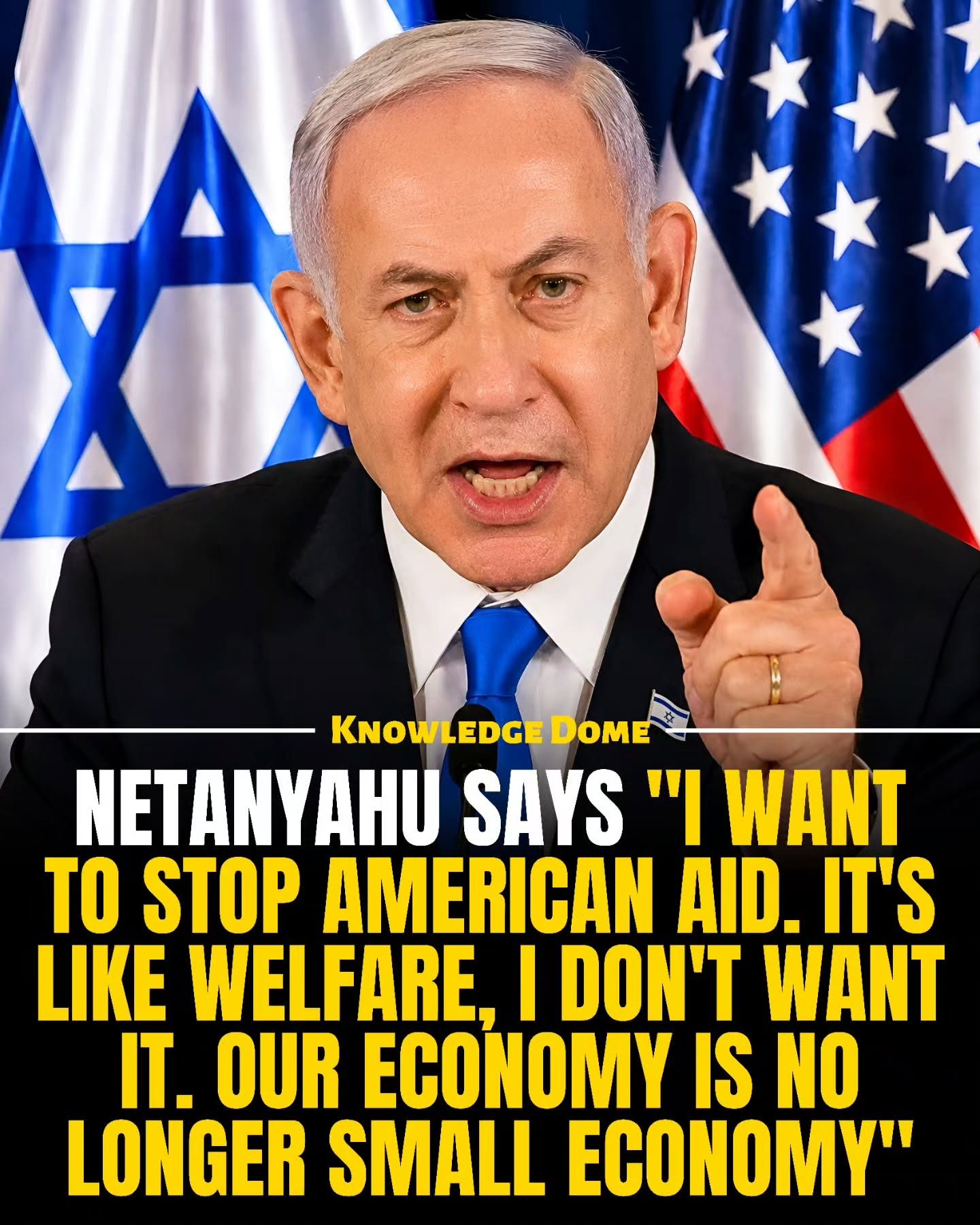
The Israeli economy has reached a significant milestone, with Prime Minister Benjamin Netanyahu asserting that the country is now strong enough to stand on its own. He has publically stated an intention to gradually reduce Israel's dependence on American financial aid, describing the aid as "welfare" and expressing a desire to see the country become fully self-sufficient.
Context: Why This Matters
Netanyahu's statement comes at a time when Israel's economy has shown remarkable growth and resilience. The comments reflect a broader shift in geopolitical dynamics and economic policy, highlighting Israel's evolving relationship with the United States. This move is not just about financial independence but also about reshaping the narrative around Israel's economic strength and sovereignty.
Main Discussion
Economic Strength and Self-Sufficiency
Israel's economy has grown significantly over the years, and Netanyahu's statements underscore this progress. According to him, the financial aid Israel receives from the United States, while valuable, constitutes only a small part of the country's total economy. This perspective suggests that Israel is now capable of supporting itself without relying heavily on external financial assistance. The goal is to gradually reduce this aid over a 10-year period, allowing Israel to transition smoothly towards full economic independence.
The Role of Military Assistance
The United States and Israel have a long-standing 10-year agreement that runs from 2019 to 2028, committing $38 billion in military assistance. Netanyahu's plan does not involve abruptly ending this agreement but rather focuses on reducing financial dependence over time. This approach ensures that Israel maintains its military preparedness while working towards economic self-sufficiency.
Economic Policy and Geopolitical Implications
Netanyahu's stance on reducing American aid reflects a strategic shift in Israel's economic policy. By gradually phasing out financial support, Israel aims to demonstrate its economic prowess and reduce reliance on external funding. This move has significant geopolitical implications, as it signals a stronger, more independent Israel capable of navigating global economic challenges on its own terms.
Reducing Aid and Maintaining Alliance
It is crucial to note that Netanyahu's plan does not aim to sever ties with the United States. Instead, it seeks to reduce financial dependence while maintaining a strong alliance. This approach underscores the importance of the diplomatic and strategic partnership between the two countries, even as Israel works towards economic independence.
Practical Tips
For those interested in understanding the broader implications of this shift, here are a few practical considerations:
- Monitor Economic Indicators: Keep an eye on Israel's economic performance, particularly its GDP growth, trade balances, and fiscal policies. These indicators will provide insights into how Israel transitions to economic self-sufficiency.
- Follow Policy Developments: Stay informed about policy changes and new initiatives aimed at reducing dependence on foreign aid. This includes watching for new legislation, economic plans, and public statements from Israeli leaders.
- Analyze Military Spending: Track changes in Israel's military spending and procurement strategies to understand how the reduction in financial aid impacts defense capabilities.
Important Takeaways
Netanyahu's statements highlight a pivotal moment in Israel's economic trajectory. The goal of reducing financial dependence on the United States while maintaining a strong military alliance represents a significant shift in economic policy. The implementation of a gradual 10-year plan ensures a stable transition, allowing Israel to leverage its robust economy and strategic partnerships effectively.
Conclusion
Israel's move towards economic independence is a testament to its growing economic strength and strategic vision. By reducing its reliance on American financial aid, Israel aims to solidify its position as a self-sufficient and resilient nation. This shift in policy underscores a broader geopolitical dynamic, where Israel seeks to assert its economic sovereignty while maintaining a strong alliance with the United States.
Watch the Reel
Questions readers ask
What prompted Netanyahu to consider ending US aid to Israel?
Prime Minister Benjamin Netanyahu cited Israel's significant economic growth and resilience as the primary reason for considering a gradual end to American financial aid. He aims to reframe Israel's economic narrative around independence and sovereignty, reducing the country's reliance on external financial support.
How does Netanyahu plan to phase out US aid for Israel?
Netanyahu envisions a gradual reduction in American financial aid, rather than an abrupt halt. This approach will allow Israel to transition smoothly towards full economic independence, minimizing potential disruptions to the country's financial stability and growth.
What is the significance of Israel's economic independence in this context?
Israel's economic independence signifies a shift in its relationship with the United States, moving away from financial dependence. It also represents a milestone in Israel's economic maturity, demonstrating the country's ability to sustain itself and contribute more equitably to its international partnerships.
What is the current status of US aid to Israel, and when might it end?
As of now, there is no specific timeline for the complete end of US aid to Israel. Netanyahu's plan involves a gradual reduction, so the exact timeline will depend on Israel's economic progress and the negotiated terms with the United States. The process is expected to be incremental, with periodic reviews and adjustments.
How has the Israeli economy grown to support this transition?
The Israeli economy has shown remarkable growth and resilience in recent years, with a diversified economy, strong technological sector, and robust financial system. This growth has enabled Netanyahu to consider a gradual end to US aid, as the country is better positioned to sustain its economic activities independently.
What are the potential implications of this shift for US-Israel relations?
The potential end of US aid to Israel could reshape the dynamics of the US-Israel relationship, fostering a more equitable partnership. It may also prompt a reconsideration of Israel's role in regional and global affairs, as it navigates economic independence and enhanced sovereignty.
Recent articles
Fresh deep dives from the latest Reels we unpacked.




Comments
Be the first to comment.