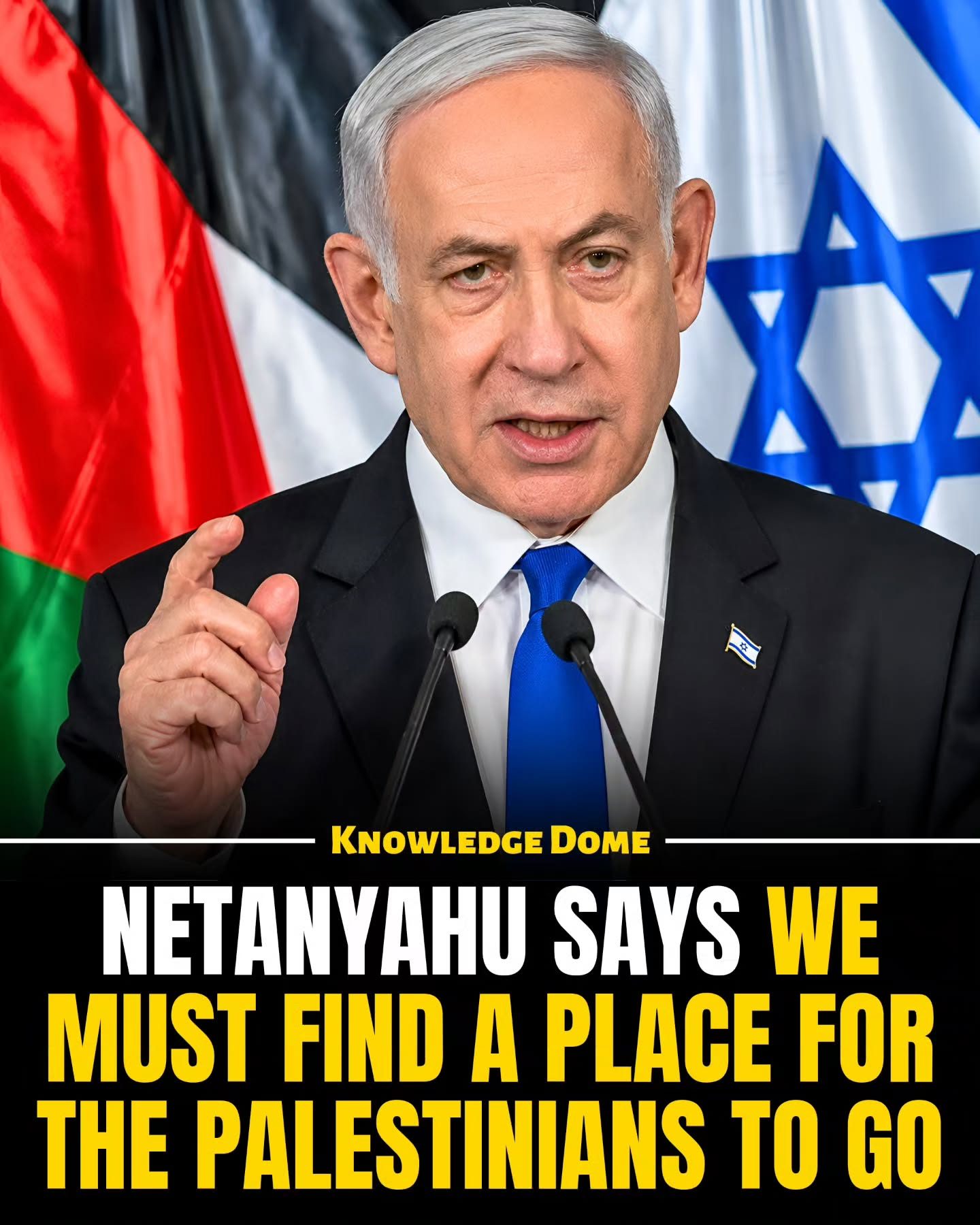
Netanyahu's Plan for Palestinian Resettlement and the Two-State Debate
Israeli Prime Minister Benjamin Netanyahu has proposed a controversial plan for moving Palestinians from Gaza to other countries, referring to this idea as "voluntary immigration." He has suggested creating a team to assist Palestinians in relocating to third countries. This proposal, like many others, has sparked intense debate. However, this plan is not without serious obstacles.
A key issue is the lack of international support. Countries have been reluctant to accept a large number of Palestinians. Without a willingness from other nations to accept the displaced population, the feasibility of this proposal is highly questionable. Additionally, the Palestinian Authority and many Arab countries, along with global communities, strongly oppose any plan that could result in Palestinians being forced away from their ancestral lands.
Why This Matters
Netanyahu’s proposal comes against the backdrop of a deeply entrenched conflict that has been ongoing for decades. The debate around Israel and Palestine is multifaceted and deeply emotional, touching on issues of national identity, security, and human rights. Understanding the complexities of Netanyahu’s proposal provides valuable context for the overall political landscape in the region.
The Voluntary Immigration Plan
Proposed Framework
Netanyahu’s idea of "voluntary immigration" involves facilitating the departure of Palestinians from Gaza to other countries. This would be facilitated by a specially created team whose purpose would be to help Palestinians find a new home in third countries. The Israeli government’s formal recognition of this move underscores the extreme measures being considered to address the ongoing conflict.
Practical Challenges
One significant issue with this plan is the lack of willing hosts. No country has agreed to take in a large number of Palestinians, making the proposal impractical. Without international support, the idea of relocating a significant population remains a distant dream. Furthermore, the term "voluntary" is contentious, as critics argue that the circumstances in Gaza might leave Palestinians with little choice but to leave, effectively rendering the move involuntary.
Netanyahu's Stance on a Palestinian State
Rejection of a Two-State Solution
Netanyahu has long been a vocal opponent of a two-state solution, which would see an independent Palestinian state coexisting alongside Israel. His statement that there is no room for two states between the Jordan River and the Mediterranean Sea aligns with this stance. This position is particularly contentious given that the international community has largely endorsed a two-state solution as a means to resolve the conflict.
Settlement Expansion
Another critical aspect is the ongoing expansion of Israeli settlements in the occupied West Bank. Critics see this expansion as a strategic move to reduce the viability of a Palestinian state, making the two-state solution even more challenging to implement. The expansion of settlements is a contentious issue, as it can be viewed as a form of annexation that encroaches on Palestinian territories and undermines the prospects for a viable Palestinian state.
Palestinian Authority and Global Reactions
Palestinian Authority's Response
The Palestinian Authority has strongly rejected any plan that could lead to the forcible relocation of Palestinians. They view such proposals as a ploy to displace Palestinians from their ancestral lands, which is a clear violation of their rights and international law. The Palestinian Authority and many Arab countries see this plan as a form of ethnic cleansing, adding fuel to the already intense debate.
Global Reactions
The international community, including many countries and human rights organizations, has expressed deep concerns about the proposal. The idea of moving Palestinians from Gaza to other countries is widely seen as a violation of their right to self-determination. This global opposition further complicates the feasibility of Netanyahu's plan, making it an uphill battle for implementation.
Practical Tips for Understanding the Complexities
To gain a nuanced understanding of this debate, it is essential to engage with a variety of perspectives. Reading up on the historical and political context, as well as understanding the positions of key stakeholders, can provide a clearer picture. It is also beneficial to follow current news and analyses from reputable sources to stay updated on the latest developments.
Important Takeaways
The Complexity of the Conflict
The conflict between Israel and Palestine is deeply rooted and multifaceted, involving issues of land, identity, and security. Netanyahu's proposal adds another layer to this complex situation, highlighting the challenges in finding a lasting solution.
The Role of International Support
International support is crucial in any resolution. Without the willingness of other countries to host Palestinians, the proposal of moving them to third countries becomes impractical. The lack of support from the international community underscores the need for a more inclusive approach to solving the conflict.
The Two-State Solution
The idea of a two-state solution remains a widely endorsed framework for resolving the conflict. Netanyahu's rejection of this solution, coupled with the expansion of settlements, adds to the intensity of the debate and complicates the path to peace.
Conclusion
The debate surrounding Netanyahu's proposal for Palestinian resettlement highlights the intricate and challenging nature of the Israeli-Palestinian conflict. While the proposal aims to address security and demographic concerns, it faces significant obstacles, including a lack of international support and opposition from the Palestinian Authority. The ongoing settlement expansion and rejection of a two-state solution further intensify the debate. Understanding the complexities and perspectives involved is crucial for anyone interested in the future of the region.
Watch the Reel
Questions readers ask
What is the main goal of Netanyahu's proposal for Palestinians in Gaza?
Netanyahu's proposal aims to facilitate what he refers to as 'voluntary immigration' for Palestinians from Gaza. The plan involves creating a team to assist Palestinians in relocating to other countries. It is a controversial initiative to address the complex and longstanding issues around Israel and Palestine.
Why is international support crucial for Netanyahu's plan?
International support is vital because the plan relies on other countries accepting a large influx of Palestinians. Without this, the plan faces significant challenges in implementation. Currently, many countries are hesitant to accept such a large number of Palestinians.
What are the main obstacles to Netanyahu's resettlement proposal?
The primary obstacles include a lack of international support for accepting Palestinians, and opposition from the Palestinian Authority, many Arab countries, and global humanitarian organizations. These factors make the feasibility of the proposal highly uncertain.
How has the Palestinian Authority responded to Netanyahu's plan?
The Palestinian Authority has strongly criticized Netanyahu's proposal. They view it as an attempt to undermine their cause and believe it could lead to further displacement of Palestinians, without addressing the root causes of the conflict.
What is the significance of the term 'voluntary immigration' in this context?
The term 'voluntary immigration' is used to frame the proposal as a choice for Palestinians, rather than a forced relocation. However, critics argue that the circumstances in Gaza, including economic hardship and political instability, might make this 'choice' a coercive one.
What role does the international community play in the Israel-Palestine debate?
The international community plays a critical role as it's called to support and help in resolving the Israel-Palestine debate. This includes diplomatic efforts, humanitarian aid, and advocating for the rights of both Israelis and Palestinians, as well as potential support for resettlement plans.
How does this plan fit into the broader Israel-Palestine debate?
This plan is just one part of the broader, decades-long political and emotional debate around Israel and Palestine. It touches on issues of displacement, refugee rights, and the potential for a two-state solution. There are many different opinions and proposals on how to resolve this longstanding conflict.
Recent articles
Fresh deep dives from the latest Reels we unpacked.




Comments
Be the first to comment.