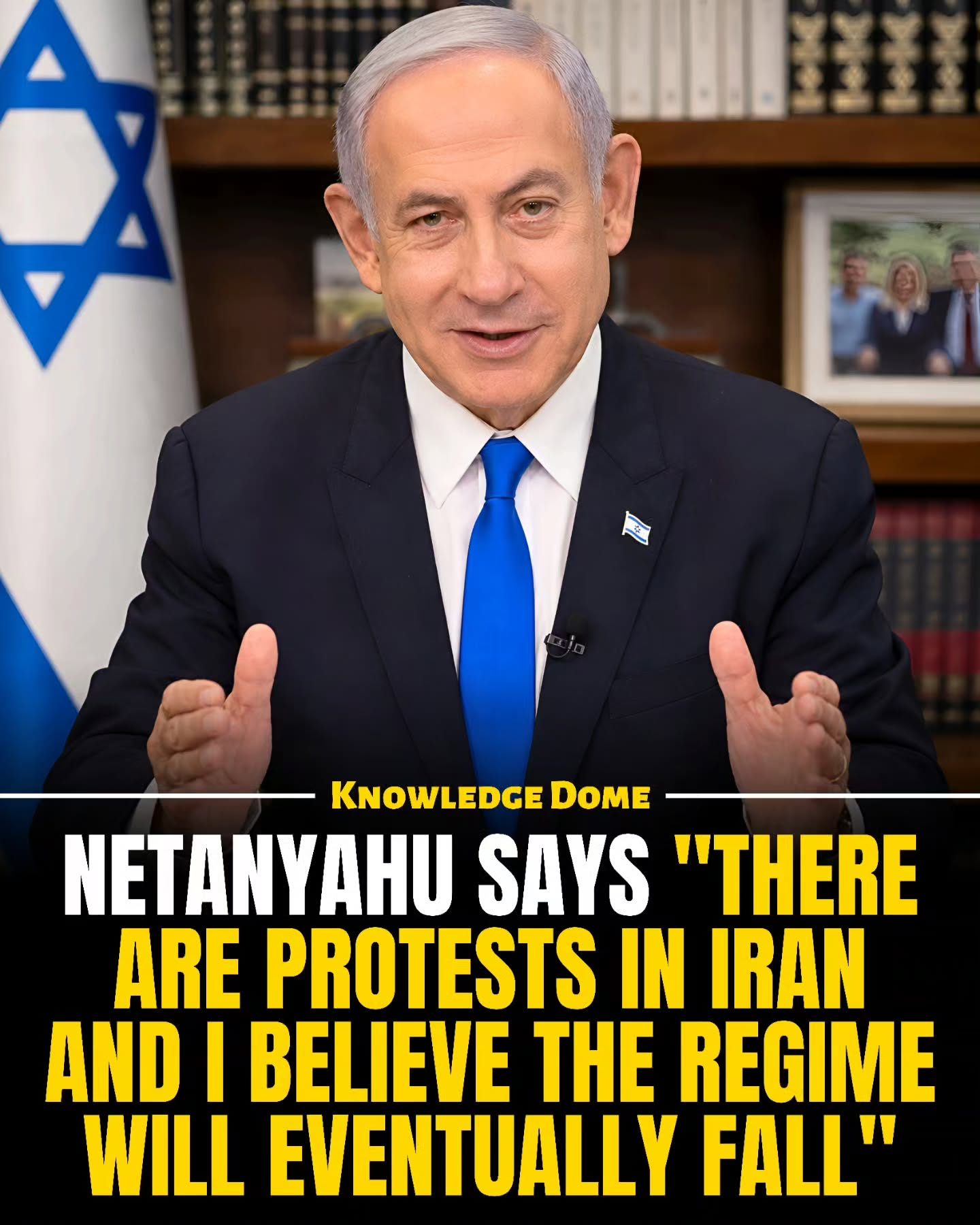
Protests and Political Pressure in Iran
Recent statements by Israeli Prime Minister Benjamin Netanyahu have cast a spotlight on the escalating tensions within Iran. Netanyahu's remarks, made during a press conference following a series of military and intelligence operations, highlight a complex political landscape where internal unrest and external pressures are converging to shape the future of the Iranian regime. Let's dive into the context and implications of these developments.
Why This Matters
Netanyahu's comments come at a critical juncture. The situation in Iran is not just a regional issue but one that has global geopolitical implications. The potential fall of the current Iranian regime could alter the balance of power in the Middle East and beyond. Understanding the dynamics at play is essential for grasping how these events might unfold and their potential repercussions.
The Current Situation in Iran
Internal Unrest
Netanyahu pointed to growing unrest within Iran, noting a deepening divide between the Iranian people and the religious leadership. This unrest is fueled by a combination of economic hardships, political disillusionment, and societal grievances. The protests, which have been ongoing for some time, reflect a broader dissatisfaction with the current regime's policies and governance.
External Pressures
Israel has been a key player in applying external pressures on Iran. Through a series of military escalations and intelligence operations, Israel has sought to weaken Tehran's leadership and reduce its nuclear and missile strength. These efforts have reportedly created the "right conditions for change," according to Netanyahu. However, he emphasized that while external pressure can set the stage, any lasting change must come from within Iran itself.
The Role of the Iranian People
Netanyahu's remarks underscore the importance of internal change. He believes that the people of Iran must rise up and drive the change from within. This perspective shifts the focus from external military interventions to the domestic political dynamics. It suggests that the current regime's future may hinge on the collective will and actions of the Iranian populace.
Regime Change and Israeli Goals
Regime change, while not an official war goal for Israel, is seen as a potential outcome of the current pressures. Netanyahu's comments suggest a nuanced approach where Israel is prepared to support circumstances that might lead to a change in leadership, but not through direct military intervention. Instead, Israel's strategy appears to be focused on creating conditions that foster internal unrest and weaken the regime from within.
Implications for the Region
Potential for Peace
Netanyahu's vision for a post-regime-change Iran is one of peace and cooperation. He expressed hope for a future where a new Iranian government could coexist peacefully with Israel. This perspective opens the door to a more stable and cooperative Middle East, where historical enmities might be set aside in favor of mutual benefit.
Geopolitical Shifts
The potential fall of the current Iranian regime could have far-reaching geopolitical implications. Changes in leadership could alter alliances, shift power dynamics, and affect regional and global politics. Neighboring countries and international powers would need to adapt their strategies and policies accordingly.
Practical Tips for Understanding the Situation
Stay Informed
To understand the evolving situation in Iran, staying informed through reliable news sources is crucial. Keep an eye on developments from trusted international outlets and regional experts.
Follow Key Figures
Key figures like Netanyahu and influential Iranian leaders can provide insights into the political landscape. Their statements and actions can offer clues about the direction of future events.
Analyze Geopolitical Context
Understanding the broader geopolitical context is essential. The situation in Iran is influenced by a complex web of regional and global dynamics, including the actions of neighboring countries and international powers.
Important Takeaways
Netanyahu's statements highlight the delicate balance between internal unrest and external pressures in shaping the future of Iran. The potential fall of the current regime hinges on the actions of the Iranian people, supported by external pressures aimed at weakening the leadership. The outcome could have significant implications for regional stability and global politics.
Conclusion
The situation in Iran is at a critical juncture, with internal unrest and external pressures converging to shape the future of the regime. Netanyahu's remarks underscore the importance of internal change and the potential for a peaceful and cooperative future. As events unfold, staying informed and understanding the geopolitical context will be essential for navigating this complex landscape. The coming months and years could see significant shifts in the region, with far-reaching implications for global politics.
Watch the Reel
Questions readers ask
What sparked the recent comments by Israeli Prime Minister Benjamin Netanyahu on Iran's internal situation?
Israeli PM Benjamin Netanyahu's statements on Iran were made following a series of military and intelligence operations, which underscored the growing internal unrest and external pressures faced by the Iranian regime. Netanyahu's comments drew attention to the deepening divisions and escalating tensions within the country.
How might the fall of the Iranian regime impact the Middle East's balance of power?
The fall of the Iranian regime could significantly alter the Middle East's power dynamics. Iran plays a pivotal role in the region, and its potential collapse would likely shift the balance of power, affecting neighboring countries and regional alliances.
What are the key factors driving the internal unrest in Iran?
Internal unrest in Iran is driven by a combination of factors, including widespread dissatisfaction with economic conditions, long-term political grievances, and the regime's response to public demands. The protests, particularly those in Tehran, reflect a growing movement against the current leadership.
How does Netanyahu's stance on Iran relate to broader geopolitical implications?
Netanyahu's statements highlight the significance of the Iranian unrest beyond the Middle East. The potential fall of the Iranian government could have far-reaching geopolitical implications, influencing global power structures and international relations, particularly in terms of strategic alliances and overall peace and security.
Recent articles
Fresh deep dives from the latest Reels we unpacked.




Comments
Be the first to comment.