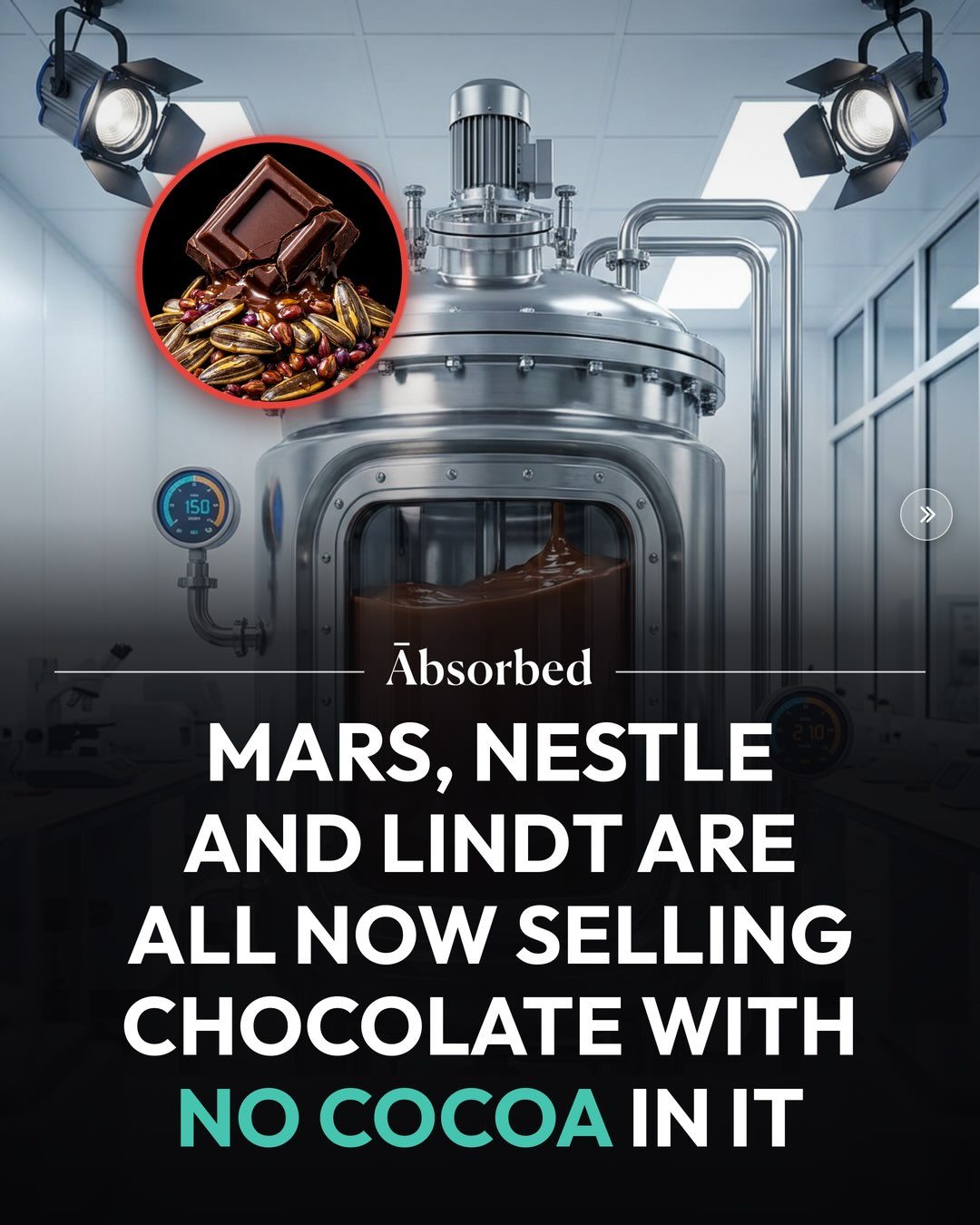
Cocoa-Free Chocolate: The Rise of Alternative Chocolate
Chocolate lovers are in for a change. Major brands like Mars, Nestle, and Lindt are now offering chocolate products without cocoa. This shift is driven by the soaring prices of cocoa, which has led the industry to explore innovative alternatives.
Why This Matters
Cocoa is a key ingredient in chocolate, providing not only flavor but also essential nutrients like flavanols, polyphenols, magnesium, and iron. The recent surge in cocoa prices has pushed manufacturers to seek out cost-effective alternatives. This trend is more than a financial strategy; it represents a broader shift in the food industry towards alternative ingredients and sustainable sourcing.
The Roster of Cocoa-Free Products
Mars
Mars has introduced a Balisto trail mix as a way to navigate the high cocoa prices. This new product blends different ingredients to mimic the taste and texture of traditional chocolate.
Nestle
Nestle has launched a cocoa-free product called Choco Crossies Snack Vibes. This is the first permanent cocoa-free product from Nestle, marking a significant step in their product lineup.
Lindt
Lindt has also joined the movement with a limited edition Hello bar. This product aims to offer a chocolate experience without the traditional cocoa base.
The Key Ingredient: ChoViva
The innovative ingredient powering these cocoa-free chocolates is ChoViva, a product from the German startup Planet A Foods. ChoViva is made from fermented oats and sunflower seeds, engineered to taste like chocolate. Already, ChoViva is used in 120 products across 10 countries, showcasing its versatility and market potential.
Honest Context
It's important to note that these cocoa-free chocolates are not lab-grown or hidden behind misleading labels. They are marketed with their own distinct names, and the companies continue to produce their traditional cocoa-containing bars. This transparency allows consumers to make informed choices.
Health and Nutrition
The primary appeal of dark chocolate is the health benefits it offers through cacao. Removing cocoa leaves these alternative bars with ingredients like seeds, fats, and sugar. While they may still offer a satisfying taste, they lack the nutritional benefits of traditional dark chocolate.
A study conducted using the Absorbed Scanner, a tool that analyzes the nutritional content of food products, revealed that every cocoa-free bar scored a 3 out of 10. In comparison, a real 85% dark chocolate bar scored an 8, highlighting the significant difference in nutritional value.
Practical Tips
When exploring these cocoa-free chocolates, it’s crucial to read the labels carefully. Look for products that emphasize transparency and clearly list their ingredients. While these new products offer a unique taste experience, they should not be considered a direct replacement for the nutritional benefits of traditional dark chocolate.
Here are some practical tips for navigating the world of cocoa-free chocolate:
- Read Labels Carefully: Always check the ingredient list to understand what you are consuming. Look for products that clearly state their cocoa-free status.
- Compare Nutritional Values: Use tools like the Absorbed Scanner to compare the nutritional content of different chocolate bars. This can help you make more informed decisions about what you eat.
- Explore Different Brands: Try out products from different companies to see which ones best match your taste preferences. Each brand has its unique approach to creating cocoa-free chocolate.
- Stay Informed: Keep an eye on new product launches and industry trends. The world of cocoa-free chocolate is evolving rapidly, and there may be exciting new developments on the horizon.
Important Takeaways
Cocoa-free chocolate is a fascinating development in the food industry, driven by economic factors and innovation. While these products provide a tasty alternative, they do not offer the same nutritional benefits as traditional dark chocolate. Consumers should approach them with an understanding of their unique composition and nutritional differences.
Conclusion
The emergence of cocoa-free chocolate from major brands like Mars, Nestle, and Lindt signals a new era in the chocolate industry. As these products become more prevalent, it’s essential to stay informed about their ingredients, nutritional value, and how they compare to traditional chocolate. By doing so, you can make informed choices that align with your taste preferences and health goals.
Watch the Reel
Questions readers ask
What are some popular cocoa-free chocolate products on the market?
Some notable cocoa-free chocolate products include Mars' Balisto trail mix and Nestle's Choco Crossies Snack Vibes. These items are part of a growing trend in the industry, responding to the rising costs of cocoa.
Why are major brands like Mars and Nestle introducing cocoa-free chocolate?
Major brands are introducing cocoa-free chocolate primarily due to the significant increase in cocoa prices. This shift allows them to maintain profitability while catering to consumers seeking alternative flavors.
How does the absence of cocoa impact the nutritional content of chocolate?
Cocoa provides essential nutrients like flavanols, polyphenols, magnesium, and iron. Cocoa-free products may lack these specific benefits, but manufacturers are exploring alternative ingredients to provide similar nutritional profiles.
Are there any cocoa-free products from Lindt?
Lindt has also joined the trend by offering cocoa-free products, indicating a broader industry shift. However, specific product names were not mentioned, so it's best to check Lindt's official communications or product listings for details.
What is the difference between cocoa-free chocolate and dark chocolate substitutes?
Cocoa-free chocolate is entirely free of cocoa, while dark chocolate substitutes may still contain some cocoa but in reduced amounts. Both categories aim to provide similar taste experiences at lower costs.
How are the rising cocoa prices affecting the chocolate industry?
The rising cocoa prices are pushing manufacturers to explore new ingredients and formulations, leading to innovative products. This trend also emphasizes the importance of sustainable sourcing and cost-effective alternatives in the industry.
Related deep dives
Similar reads based on topic and creator.




Recent articles
Fresh deep dives from the latest Reels we unpacked.




Comments
Be the first to comment.