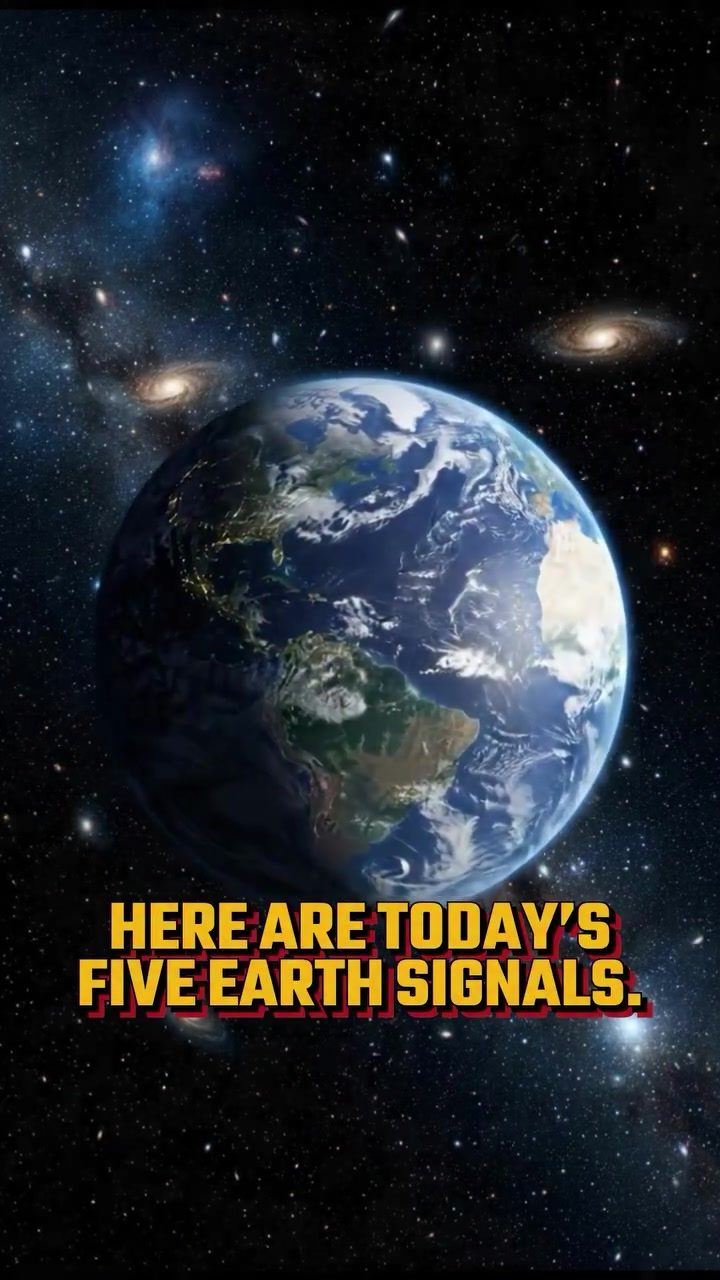
Events like Earthquakes and Cyclones expose vulnerabilities
Earth's volatility can turn daily reality into catastrophic upheaval, as highlighted by the aftermath of a Himalayan glacier collapse. The disaster set off a chain of tragic events in Nepal's Trishuli Valley. Nine days after the collapse, heroic rescuers managed to pull two hydropower workers out of a buried tunnel, miraculously alive, but the peril persists. At least 900 individuals remain missing, with roughly 500 potentially trapped underground. The enormity of this tragedy underscores the vulnerability of infrastructure and communities in regions prone to such hazards. The Nepalese disaster is a stark reminder of how sudden geophysical events can turn lives to despair. In the broader context, institutions, governments, and international bodies must focus on improving hazard mitigation strategies and emergency response protocols. The urgency of bolstering infrastructure is paramount, particularly in areas that are vulnerable to seismic instabilities. Meanwhile, another tragic reminder of the power of the elements unfolds in the Pacific. Three simultaneous hurricanes—Marie, Karina, and Lowell—are churning the waters, a phenomenon seen only once before in 2015. Such extreme weather systems are a testament to the heightened unpredictability of Earth's climate, with potentially devastating consequences for coastal communities. The concurrence of these three hurricanes in the Pacific basin is awe-inspiring and alarming. "Three hurricanes at once," a recalls, "only the second time on record since 2015." It could signal a new normal, one characterized by more frequent and intense weather events, pushing the boundaries of preparedness and resilience.
The fragility of the biosphere, From Fire to Flood
The Pacific’s weather chaos reverberates around the globe. In Indonesia, wildfires are currently scorching 400 hectares near Nusantara, the country’s new capital, amidst what could be the driest dry season in 30 years. The fires are a harbinger of the escalating effects of climate change, which exacerbates drought conditions and elevates the risk of catastrophic fires. Adding to the litany of environmental challenges, Indonesia's Kilauea volcano is currently paused. The USGS forecasts the volcano's 55th eruptive episode between September 7th and 12th, showcasing geological forces relentlessly shaping the Earth. The interplay of these environmental factors—from the air and sea to the very ground beneath our feet—illustrates the delicate balance of our planet's ecosystems. The juxtaposition of these events reflects the fragility of Earth's biosphere. From the skies filled with smoke to the unpredictability of ocean currents, the planet's delicate balance is under constant threat. The simultaneous occurrence of multiple hazardous natural events underscores the urgency of adopting sustainable practices and robust environmental policies. Governments and organizations must invest in disaster preparedness, climate-resilient infrastructure, and ecological conservation.
Can technology bridge the gaps?
Amid the turmoil, technological advancements are pivoting towards mitigating the impacts of extreme events, NASA recently awarded the aerospace company Blue Origin up to $700 million to build a dedicated Mars communications orbiter. This initiative epitomizes the frontier of space technology. The orbiter aims to enhance communication capabilities for Mars missions, bridging the gap between Earth and the red planet. This development comes at a time when humanity is grappling with the impacts of extreme events on Earth. The contrast between the devastation caused by natural disasters and the progress in space technology highlights the dichotomy of our priorities. While each disaster serves as a stark reminder of the planet's fragile state, these technological strides offer a glimmer of hope for future resilience and preparedness.
We are all on the same planet
The series of events underscores a fundamental truth: our planet is a shared entity, brimming with diverse yet interconnected systems. Whether it's the geological forces of a volcano or the meteorological chaos of hurricanes, these systems act in concert, shaping our world in profound ways. The statement "diferent systems, same planet" encapsulates the paradox of our existence. It emphasizes that despite the various challenges we face, from natural disasters to technological breakthroughs, we all inhabit the same globe.
Watch the Reel
Related deep dives
Similar reads based on topic and creator.
Recent articles
Fresh deep dives from the latest Reels we unpacked.


Comments
Be the first to comment.