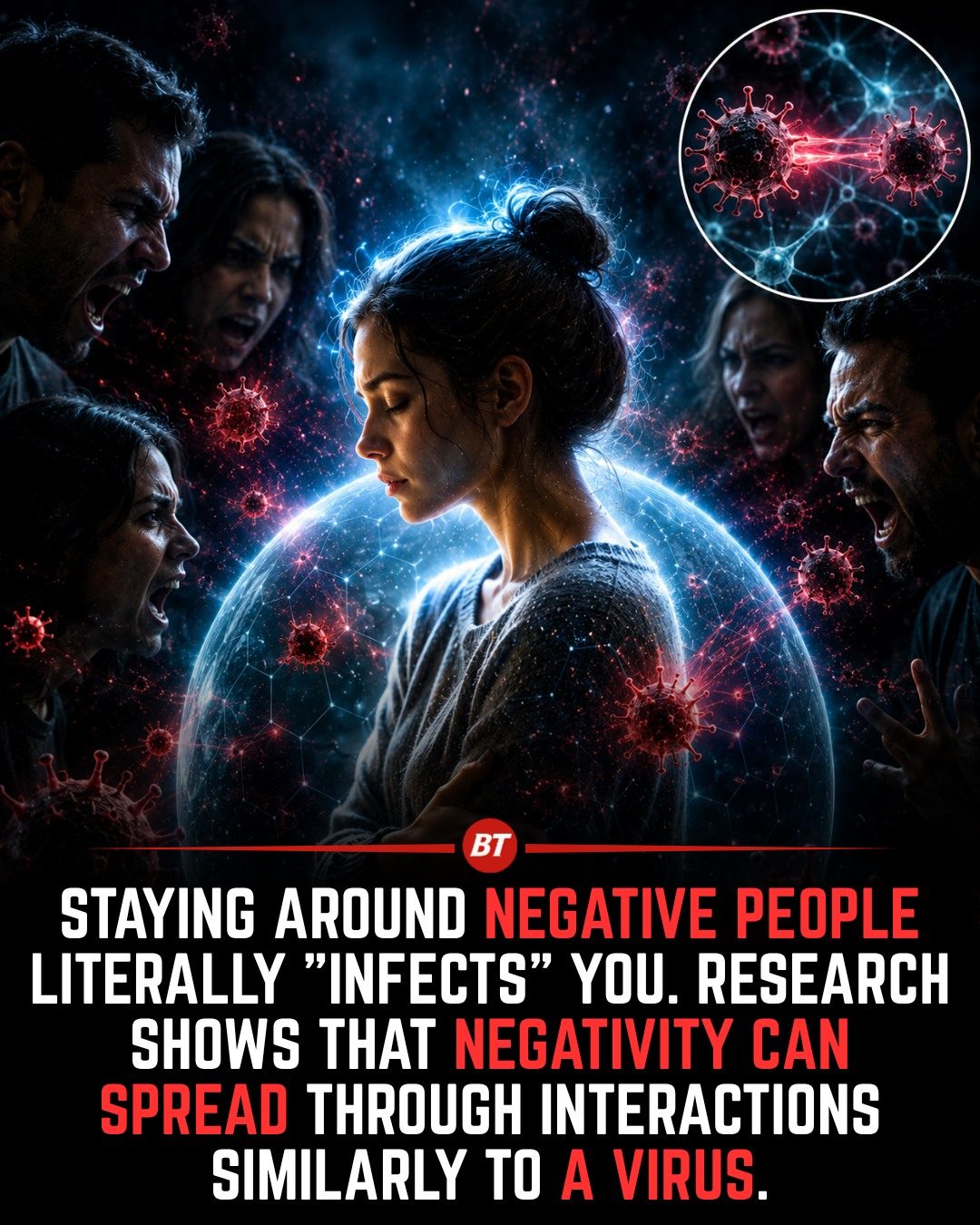
Negative Interactions and Mental Health
The emotional climate of our social circles can significantly impact our mental well-being. This phenomenon, known as emotional contagion, refers to the way emotions spread from one person to another through everyday interactions. Understanding this process can help us navigate our relationships more effectively and protect our mental health.
Understanding Emotional Contagion
Emotional contagion is the natural tendency for emotions to spread between individuals. This can happen in various settings, from close family relationships to workplace dynamics. The phrase "emotional contagion" might evoke images of a virus spreading rapidly, but in practice, it's more subtle. It happens through the constant reading of non-verbal cues, such as facial expressions, body language, and tone of voice. These signals activate parts of the brain responsible for empathy and emotional processing, allowing us to unconsciously mimic the emotions of those around us.
The Impact of Negativity
Research underscores the powerful influence of negative interactions. Surrounding yourself with people who are consistently stressed, pessimistic, or anxious can gradually shape your own outlook. Chronic exposure to such negative environments can keep the body's stress response activated, leading to elevated cortisol levels. Over time, this can impact various aspects of well-being, including sleep, mood, concentration, and even immune function. This highlights the importance of recognizing and managing the emotional environment around us.
The Role of Positive Influences
The good news is that emotional contagion isn't limited to negative emotions. Positive emotions like optimism, kindness, and gratitude can also spread through social interactions. Surrounding yourself with people who embody these qualities can have a profoundly positive effect on your mental and emotional state. The benefits of these positive interactions extend beyond immediate mood improvements. They can foster resilience, enhance well-being, and promote healthier habits, all of which contribute to better long-term mental health.
Practical Tips for Managing Emotional Contagion
Assess Your Emotional Environment
Take a moment to evaluate the emotional atmosphere of your social circles. Notice how you feel after spending time with different people. Do you feel drained or uplifted? Recognizing the emotional impact of your interactions can help you make more informed decisions about where to invest your time and energy.
Cultivate Positive Relationships
Surround yourself with people who support and encourage you. Seek out friendships and relationships that foster a positive outlook and resilience. Positive emotional contagion can reinforce healthy habits and provide a buffer against stress.
Set Boundaries
It's not always possible to avoid negative interactions, but setting healthy boundaries can limit their impact. Learn to recognize when an interaction is becoming harmful and take steps to distance yourself emotionally or physically. This might mean taking a break from a conversation, limiting the amount of time spent with a particular person, or seeking support from more positive influences.
Practice Emotional Awareness
Developing emotional awareness can help you manage emotional contagion more effectively. Pay attention to your own emotions and how they change in response to different situations and people. This self-awareness can empower you to make conscious choices about your emotional health.
Important Takeaways
Emotions are contagious, and the emotional climate of our social circles can significantly impact our mental health. Recognizing the effects of emotional contagion can help us make conscious choices about the people we spend time with and the relationships we prioritize. By surrounding ourselves with positive influences and setting boundaries with negativity, we can foster a healthier emotional environment.
Conclusion
Emotional contagion provides a lens through which to view the intricate interplay of emotions within our social circles. Understanding this phenomenon enables us to actively shape our environment to promote mental well-being. Whether it's by cultivating positive relationships, setting health boundaries, or practicing emotional awareness, everyone has the power to influence their emotional landscape positively.
Watch the Reel
Questions readers ask
How does emotional contagion affect my mental health?
Emotional contagion can significantly impact your mental health by causing you to unconsciously absorb the emotions of those around you. This means that if you're frequently around negative people, you might experience increased stress and anxiety.
What are the impacts of negative interactions on my body
Negative interactions can cause a rise in cortisol, the stress hormone, leading to various physical symptoms such as headaches, digestive issues, or even a weakened immune system. Additionally, prolonged exposure to negativity can contribute to chronic health issues.
Can negativity from others cause anxiety?
Yes, negativity from others can indeed cause or worsen anxiety. Through emotional contagion, the negative emotions of others can transfer to you, leading to increased anxiety levels, especially if you're frequently around negative people.
How do I deal with negative people to protect my mental well-being?
To protect your mental well-being, try to limit your exposure to negative people, set boundaries, and focus on maintaining positive, supportive relationships. Practicing mindfulness and stress-reduction techniques can also help you manage the impact of negativity.
What is emotional contagion and why does it matter?
Emotional contagion is the process by which emotions spread from one person to another, often unconsciously. This matters because it means the emotions of those around you can influence your own feelings and mental state, affecting your overall well-being.
Can I catch negativity from others like a virus?
While negativity isn't a virus, the idea of a person spreading negativity mirrors the concept of emotional contagion. Negativity can spread quickly among individuals through constant exposure to negative emotions, similar to how a virus spreads.
How can I recognize if someone is a negative influence on me?
If you consistently feel drained, stressed, or anxious after spending time with a particular person, they might be a negative influence. Pay attention to how you feel before and after interactions, and trust your instincts if something or someone doesn't feel right.
Related deep dives
Similar reads based on topic and creator.




Recent articles
Fresh deep dives from the latest Reels we unpacked.




Comments
Be the first to comment.