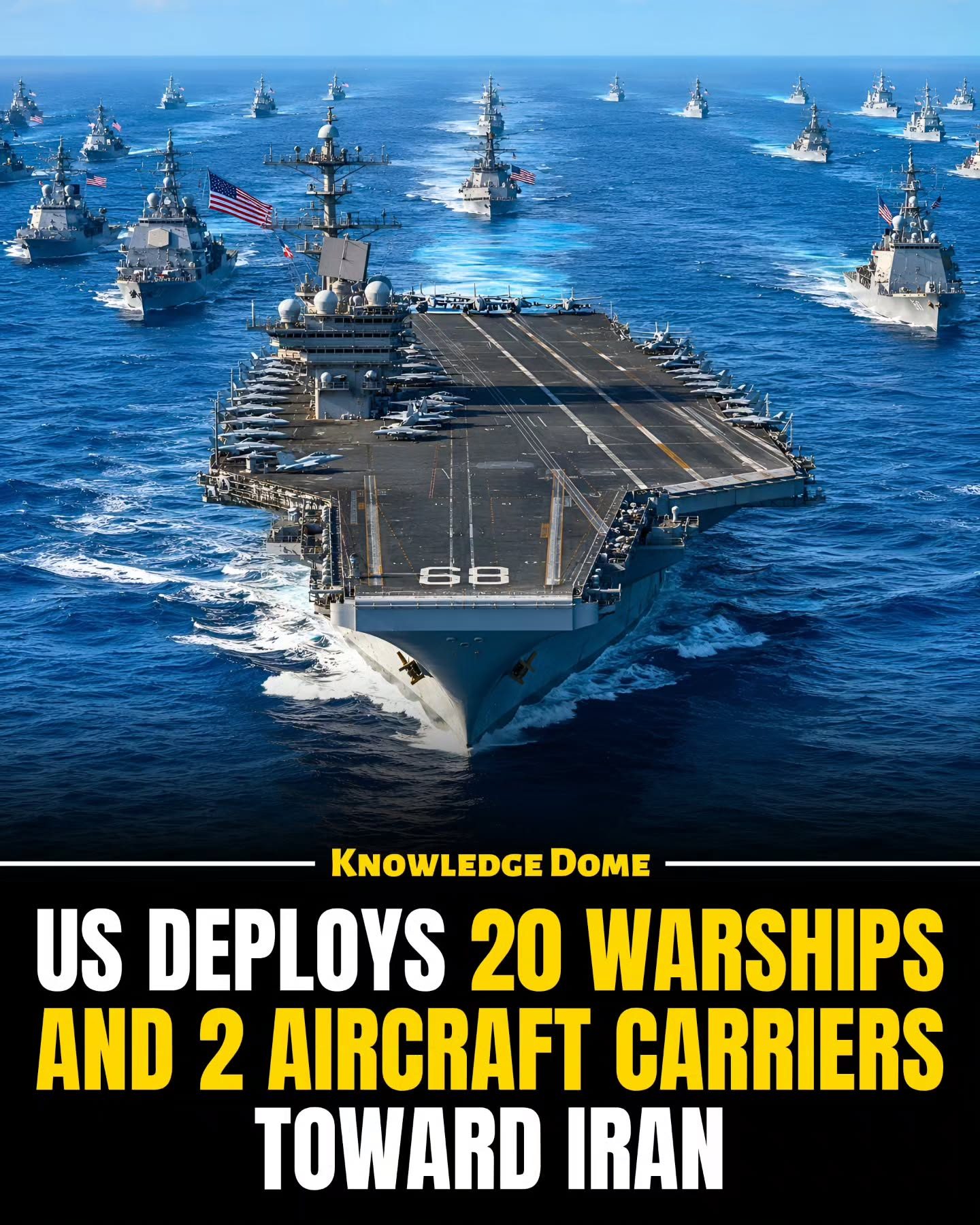
A Comprehensive Look at the U.S. Military Deployment Near Iran
The United States has significantly escalated its military presence near Iran, deploying over 20 warships and two aircraft carrier strike groups to patrol the waters of the Middle East. This large-scale deployment has heightened tensions in the region, with the primary objective of safeguarding critical shipping lanes and ensuring the safe passage of trade through the Strait of Hormuz.
Why This Deployment Matters
The Strait of Hormuz is a pivotal waterway for global trade, particularly for oil and cargo shipments. Approximately 20% of the world's petroleum passes through this narrow strait, making it a critical chokepoint for the global economy. Any disruption in the Strait of Hormuz can have far-reaching consequences, affecting oil prices, trade routes, and the economies of countries around the world.
The deployment of warships is a clear indicator of the strategic importance of the Strait of Hormuz. The U.S. has historically been a key player in ensuring the security of this passage, and recent attacks on commercial vessels have only underscored the necessity of this mission. By maintaining a strong naval presence, the U.S. aims to deter potential threats and protect the vital maritime routes.
The Scale and Purpose of the Deployment
The deployment involves a significant number of warships and aircraft carriers, which are among the most powerful naval assets in the world. Aircraft carriers, in particular, serve as mobile airfields, capable of launching and recovering aircraft in support of various missions. This augmented naval presence is intended to send a strong message to potential adversaries, emphasizing the U.S.'s commitment to regional stability and security.
The Role of Warships
Warships play a critical role in naval operations. They are equipped with advanced weaponry, surveillance systems, and communication capabilities, making them essential for patrolling, deterrence, and combat operations. The specific types of warships deployed are likely to include destroyers, frigates, and cruisers, each bringing unique capabilities to the mission.
The Importance of Aircraft Carriers
Aircraft carriers are the cornerstone of modern naval power. They provide the flexibility to project airpower over long distances, enabling the U.S. to respond rapidly to threats. With two aircraft carrier strike groups deployed, the U.S. has significantly enhanced its ability to conduct air, sea, and land operations in the region.
Practical Tips for Understanding Naval Deployments
Naval deployments are complex operations that require meticulous planning and coordination. Here are some practical tips for understanding the broader context and implications of such deployments:
Stay Informed
Keeping abreast of the latest developments in the Middle East and the global maritime security landscape is crucial. Follow reliable news sources, defense journals, and expert analyses to stay informed about the strategic implications of naval deployments.
Understand the Geopolitical Context
Naval deployments are often driven by geopolitical considerations. To fully grasp the significance of the U.S. deployment near Iran, it's essential to understand the broader geopolitical dynamics at play. Factors such as regional alliances, historical tensions, and international trade agreements all contribute to the decision-making process.
Recognize the Economic Impact
The security of maritime trade routes is closely linked to economic stability. Naval deployments aimed at protecting these routes can have significant economic implications. For instance, ensuring the safe passage of oil through the Strait of Hormuz helps maintain global energy supplies, which in turn supports economic growth and stability.
Monitor Regional Tensions
The Middle East is a region of significant geopolitical tension. Monitoring regional tensions and understanding how they might escalate is important. This includes tracking developments in Iran, Saudi Arabia, and other key players in the region.
Important Takeaways
The U.S. deployment of over 20 warships and two aircraft carrier strike groups near Iran underscores the strategic importance of the Middle East and the Strait of Hormuz. This deployment is a multifaceted effort to safeguard critical shipping lanes, deter potential threats, and maintain regional stability. The economic and geopolitical dimensions of this deployment highlight the broader implications for global trade and security.
Conclusion
The U.S. military deployment near Iran is a significant development with far-reaching implications. By understanding the scale, purpose, and strategic context of this deployment, we can gain a deeper appreciation for the complexities of modern naval operations and their impact on global security and trade. As the situation continues to evolve, staying informed and vigilant will be essential for navigating the challenges and opportunities that lie ahead.
Watch the Reel
Questions readers ask
Why has the U.S. increased its naval presence in the Middle East, specifically near Iran?
The U.S. has deployed a significant number of warships and aircraft carriers to the Middle East to secure the Strait of Hormuz, which is a crucial passageway for global trade and oil transportation. This deployment is aimed at deterring potential threats and ensuring the safe passage of vessels through this vital waterway.
What is the Strait of Hormuz and why is it important to global trade?
The Strait of Hormuz is a narrow waterway located between Iran and the Arabian Peninsula. It is vital for global trade because approximately 20% of the world's petroleum passes through it. Any disruption in this area can lead to significant economic consequences worldwide.
What types of vessels has the U.S. deployed in response to rising tensions with Iran?
The U.S. has deployed over 20 warships and two aircraft carrier strike groups to the Middle East. These vessels are equipped to conduct various military operations, including surveillance, deterrence, and potential conflict resolution.
How might the current U.S. deployment affect Iran's military actions?
The U.S. deployment is likely a deterrent to Iran. The presence of U.S. warships and aircraft carriers in the region sends a strong signal that any aggressive actions by Iran could face a swift and robust response, potentially discouraging hostile behavior.
What is the significance of the U.S. focusing on the Strait of Hormuz in its deployment?
The Strait of Hormuz is a critical chokepoint for global oil and cargo shipments. By focusing on this area, the U.S. aims to prevent any potential disruptions that could impact global trade and energy supplies. This presence helps to maintain the stability of the global economy, which relies heavily on the free flow of oil and goods through this passage.
What potential consequences could arise if tensions escalate between the U.S. and Iran?
If tensions escalate, there could be significant disruptions in global trade and oil transportation. Additionally, there is a risk of direct military conflict, which could have severe humanitarian and economic repercussions. Diplomatic efforts will be crucial in managing and mitigating these risks.
How does the U.S. deployment in the Middle East impact regional geopolitics?
The U.S. deployment in the Middle East has the potential to alter the regional geopolitical landscape. It sends a strong message to other nations in the region, including allies and adversaries, about the U.S.'s commitment to maintaining stability and security in the Strait of Hormuz. This could influence the strategic decisions of other countries in the region and their posture towards Iran.
Related deep dives
Similar reads based on topic and creator.


Recent articles
Fresh deep dives from the latest Reels we unpacked.




Comments
Be the first to comment.