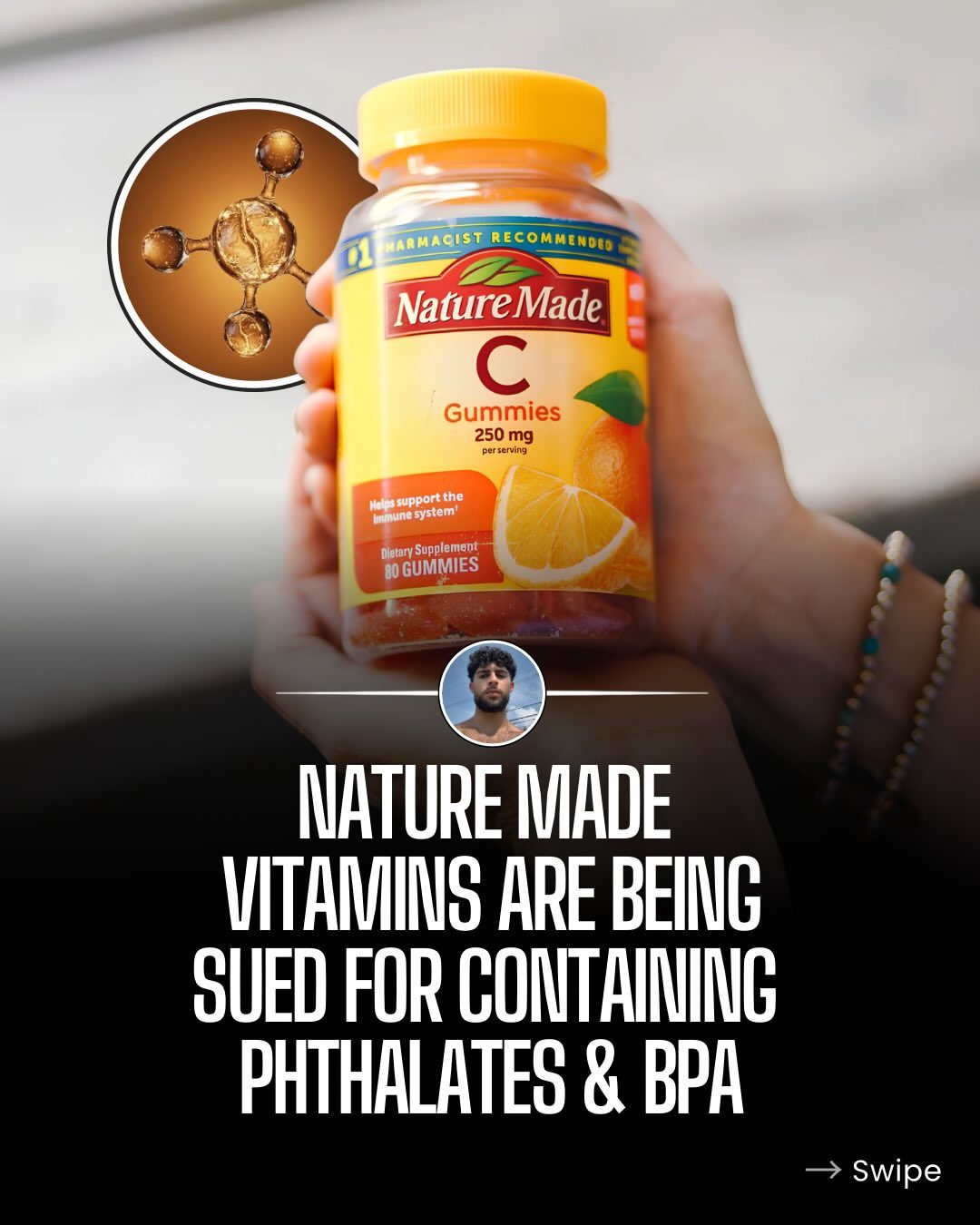
Nature Made Lawsuit: What You Need to Know
The class-action lawsuit against Nature Made, a prominent vitamin brand, has sparked significant attention. The legal action centers around claims that Nature Made's Prenatal Multivitamin + DHA softgels contain phthalates and BPA, chemicals that may affect hormones and pregnancy. This lawsuit, filed in April 2025 against the parent company Pharmavite, is based on third-party testing results from PlasticList. These findings reportedly detected the presence of phthalates and BPA in the product.
Why This Matters
Phthalates and BPA are chemicals that can interfere with the body's hormone systems. Exposure to these chemicals, especially during pregnancy, has been linked to various health concerns, including developmental issues in infants and reproductive health problems. The lawsuit highlights the importance of transparency and safety in the production of prenatal supplements, which are marketed to support the health of both mother and child.
Understanding the Lawsuit
Phthalates and BPA in Prenatal Supplements
The lawsuit specifically mentions phthalates and BPA in prenatal supplements. These chemicals, which are not intentionally added to the supplements, can enter the product through various means, such as plastic packaging, softgel capsules, or manufacturing equipment. The concern is that prenatal vitamins, which are designed to support a baby’s development, should not contain detectable levels of these chemicals.
Deceptive Marketing Practices
The complaint also argues that Nature Made's marketing practices were deceptive. The company's name, "Nature Made," suggests a natural and pure product. However, the presence of phthalates and BPA contradicts this image, leading to allegations of misleading advertising. The lawsuit questions whether consumers would have purchased the product if they were aware of the potential contaminants.
Nature Made Prenatal Multivitamin + DHA
Nature Made's Prenatal Multivitamin + DHA softgels are designed to provide essential nutrients for both mother and baby. The supplements contain Folic Acid, Choline, and 14 other nutrients that support brain and eye development in the baby, as well as the overall health of the mother. The lawsuit's claims raise questions about the safety and purity of these products, which are widely recommended by pharmacists.
Practical Tips for Consumers
Given the ongoing lawsuit, consumers may have questions about their prenatal vitamin choices. Here are some practical tips to consider:
1. Check the Labels
Always read the labels and ingredient lists carefully. Look for any mention of phthalates, BPA, or other potential contaminants. Opt for products that are transparent about their manufacturing processes and ingredient sources.
2. Choose Reputable Brands
While the lawsuit against Nature Made does not mean that all their products are unsafe, it highlights the importance of choosing brands that prioritize transparency and safety. Look for brands with a strong reputation for quality control and safety standards.
3. Consider Natural Alternatives
If you are concerned about the presence of phthalates and BPA, consider natural alternatives or organic prenatal supplements. These products often undergo stricter quality control measures and may be less likely to contain contaminants.
4. Consult with a Healthcare Provider
Before making any significant changes to your supplement regimen, consult with a healthcare provider. They can offer personalized advice based on your specific health needs and concerns.
Important Takeaways
- The lawsuit against Nature Made highlights the potential presence of phthalates and BPA in prenatal supplements.
- The case emphasizes the importance of transparency and safety in the production of prenatal vitamins.
- Consumers should be vigilant about checking labels, choosing reputable brands, and considering natural alternatives.
- Healthcare providers can offer personalized advice and guidance on prenatal supplement choices.
Conclusion
The class-action lawsuit against Nature Made serves as a reminder of the importance of vigilance when it comes to health supplements. While the case is still pending, it underscores the need for transparency and safety in the production of prenatal vitamins. Consumers should stay informed and make educated choices to ensure the health and safety of both themselves and their babies.
Watch the Reel
Questions readers ask
What are the key issues with the Nature Made Prenatal Gummies lawsuit?
The lawsuit focuses on potential contamination of Nature Made Prenatal Multivitamin + DHA gummies with phthalates and BPA, chemicals that can disrupt hormonal functions and pose risks during pregnancy. The case, filed in 2025, centers on third-party testing results from PlasticList, which reported detecting these chemicals in the product. The class-action lawsuit was filed against Pharmavite, the parent company of Nature Made.
What are phthalates and BPA and why are they concerning during pregnancy?
Phthalates and BPA are chemicals commonly used in plastics and other consumer products. They are known as endocrine disruptors, meaning they can interfere with the body's hormonal systems. Exposure to these chemicals during pregnancy has been linked to various health concerns, including potential developmental issues in infants, making them particularly concerning for expectant mothers.
What prompted the Nature Made Prenatal Gummies lawsuit?
The lawsuit was prompted by third-party testing conducted by PlasticList, which reportedly detected phthalates and BPA in Nature Made's Prenatal Multivitamin + DHA gummies. These findings raised significant concerns about the safety of the product, especially for pregnant individuals.
Has there been a recall of Nature Made Prenatal Gummies?
As of the information available, there has been a lawsuit but no recall. The class-action lawsuit aims to address the potential health risks associated with the contamination of the product. It is important to stay updated with the latest developments from official sources or the manufacturer.
What should I do if I have been using Nature Made Prenatal Gummies?
If you have been using these gummies, it may be wise to consult with your healthcare provider. They can provide guidance based on your specific situation and help you determine the best course of action, which may include switching to a different prenatal vitamin brand.
What are the potential health risks associated with phthalates and BPA exposure during pregnancy?
Exposure to phthalates and BPA during pregnancy has been linked to various health concerns, including potential developmental issues in infants. These chemicals can interfere with hormonal systems, which are crucial for fetal development. It is important to be mindful of potential sources of these chemicals, including supplements and other consumer products.
Recent articles
Fresh deep dives from the latest Reels we unpacked.




Comments
Be the first to comment.