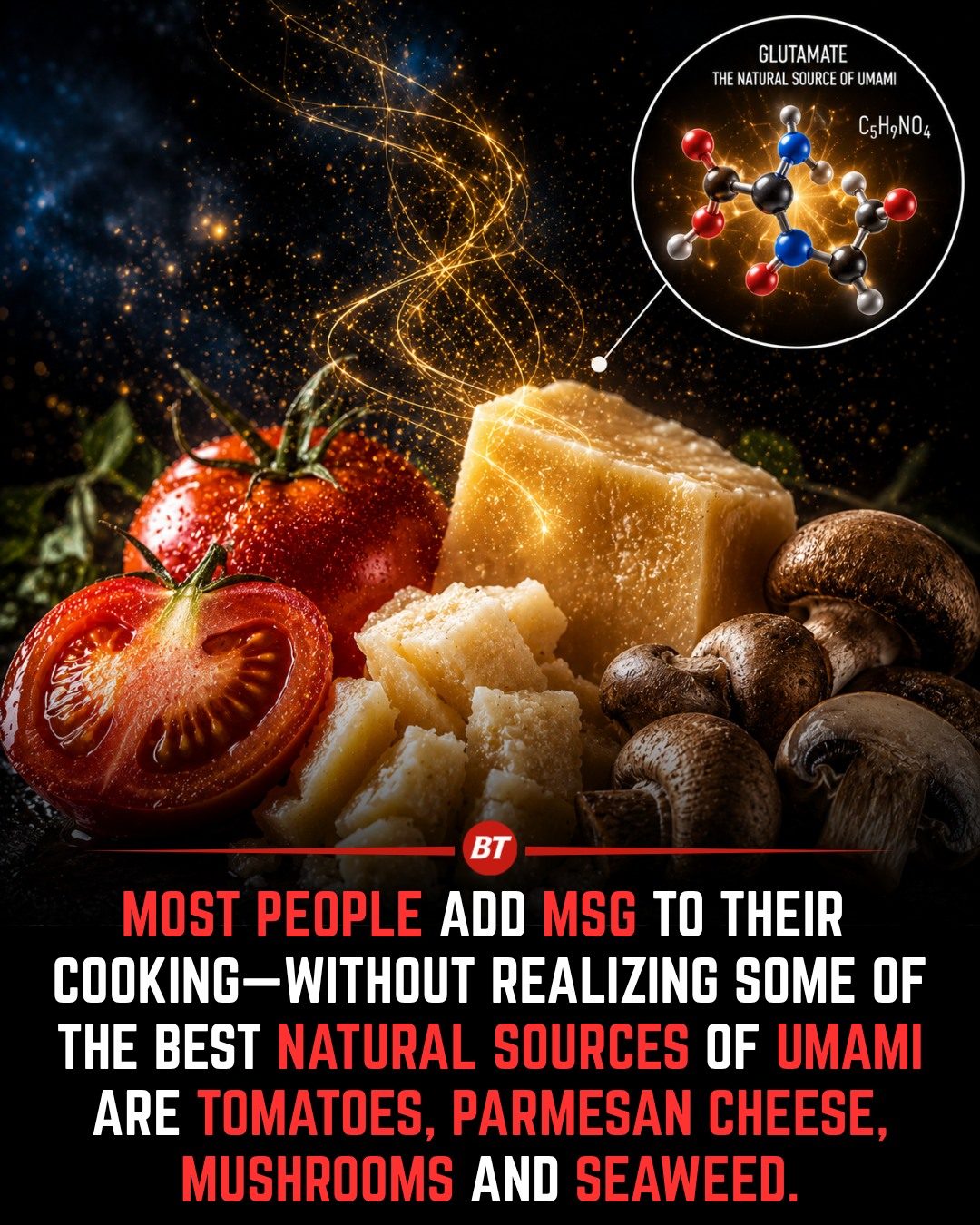
Umami: The Fifth Taste and Its Natural Sources
Umami is the rich, savory flavor that makes foods deeply satisfying. Often referred to as the "fifth taste," alongside sweet, sour, salty, and bitter, umami adds depth and complexity to dishes. While many people associate umami with monosodium glutamate (MSG), nature offers a plethora of ingredients that naturally contain the same flavor compounds.
Why This Matters
Understanding the natural sources of umami can enhance your cooking, allowing you to create deeply flavorful dishes without relying heavily on added salt or flavor enhancers. By incorporating ingredients rich in glutamate and other umami compounds, you can achieve a more satisfying and balanced flavor profile in your meals. This is especially important for those looking to reduce their intake of processed foods and additives.
Natural Sources of Umami
The key to umami lies in the amino acid glutamate, which has the chemical formula C5H9NO4. This compound is found in various natural foods, each contributing a unique depth of flavor. Here are some of the richest natural sources of umami:
Glutamate in Foods
Glutamate is the primary compound responsible for the umami taste. Foods high in glutamate include:
- Tomatoes: Ripe tomatoes are a rich source of glutamate. Their natural sweetness and acidity, combined with umami, make them a versatile ingredient in sauces, soups, and stews.
- Parmesan Cheese: Aged Parmesan cheese is another excellent source of umami. The aging process concentrates the flavors, making it a powerful addition to pasta dishes, salads, and even sandwiches.
- Mushrooms: Many varieties of mushrooms, including shiitake, porcini, and cremini, are high in glutamate. Dried shiitake mushrooms also contain guanylate, another compound that enhances umami.
- Seaweed: Often used in Japanese cuisine, seaweed is a natural source of umami. It adds a savory depth to soups, salads, and sushi rolls.
- Anchovies: These small, salty fish are packed with umami. They are often used to flavor sauces, dressings, and pizzas, adding a rich, savory note without overpowering other ingredients.
- Soy Sauce: Fermented soybeans in soy sauce create a high concentration of glutamate, making it a staple in many cuisines for adding umami to dishes.
Other Umami-Rich Foods
A few other foods naturally contain guanylate and inosinate, which can synergize with glutamate to create a more powerful umami effect:
- Dried Shiitake Mushrooms: These mushrooms are high in guanylate and glutamate, enhancing their savory flavor.
- Bonito Flakes: Made from fermented and dried bonito (a type of tuna), bonito flakes are rich in inosinate. They are commonly used in Japanese soups and stocks to add umami.
Classic Food Pairings
When these natural umami-rich foods are combined, they create a powerful synergistic effect, making dishes taste even more savory. Classic food pairings that benefit from this synergy include:
- Tomatoes and Parmesan: The acidity and sweetness of tomatoes pair perfectly with the savory, nutty flavors of Parmesan cheese, creating a rich and satisfying combination.
- Mushrooms and Steak: The earthy, savory flavors of mushrooms complement the richness of steak, making for a deeply satisfying meal.
- Seaweed in Soup: Seaweed adds a subtle umami depth to soups, enhancing the overall flavor without overpowering other ingredients.
Practical Tips for Incorporating Umami
To boost the natural umami in your cooking, consider the following tips:
Combine Ingredients
Mixing multiple umami-rich ingredients can amplify the savory flavor. For example, try combining roasted mushrooms, sun-dried tomatoes, Parmesan cheese, garlic, and a small piece of kombu or dried seaweed. This combination creates a rich, layered flavor that enhances your dishes.
Use Natural Sources
Rather than relying on MSG or other flavor enhancers, opt for natural sources of umami. This not only adds depth to your cooking but also provides additional nutrients like fiber, vitamins, and antioxidants.
Experiment with Fermented Foods
Fermented foods like soy sauce, miso, and fish sauce are excellent natural sources of umami. Incorporating these into your cooking can add a rich, savory depth to your dishes.
Try Umami-Rich Marinades
Marinades made with umami-rich ingredients can enhance the flavor of meats, vegetables, and tofu. For example, a marinade made with soy sauce, garlic, and ginger can add a rich, savory flavor to grilled meats.
Important Takeaways
Umami is a natural flavor enhancer that can transform your cooking. By incorporating natural umami-rich ingredients like tomatoes, parmesan cheese, mushrooms, and seaweed, you can create deeply satisfying dishes without relying on added salt or flavor enhancers. Understanding the science behind umami and experimenting with classic food pairings can elevate your culinary skills and make your meals more enjoyable.
Conclusion
Umami is more than just a flavor; it's a key component of satisfying and balanced meals. By harnessing the power of natural umami sources, you can create rich, savory dishes that are both delicious and nutritious. Whether you're a seasoned chef or a home cook, exploring the world of umami can open up new possibilities in the kitchen and enhance your overall culinary experience.
Watch the Reel
Questions readers ask
What are some of the best natural umami foods to use in cooking?
Some of the best natural umami foods include ripe tomatoes, aged Parmesan cheese, mushrooms, and seaweed. These ingredients are rich in glutamate, which provides the savory umami flavor without the need for added MSG.
How can I incorporate umami in mushrooms into my cooking?
Umami in mushrooms can be enhanced by drying them first. Dried mushrooms, such as shiitake or porcini, have a concentrated umami flavor. Rehydrate them in hot water, then use the mushrooms and the soaking liquid in your dishes to boost umami.
Why is umami important in cooking?
Umami is important in cooking because it adds depth and complexity to dishes. It makes foods more satisfying and can help reduce the need for added salt or other flavor enhancers, allowing for a more balanced and rich flavor profile.
Can I achieve umami flavor without using MSG?
Absolutely. Many natural foods contain glutamate, the compound that gives umami its rich, savory taste. By using ingredients like tomatoes, aged cheeses, mushrooms, and seaweed, you can achieve a robust umami flavor in your cooking without relying on MSG.
What makes tomato a good source of umami?
Tomatoes, especially when ripe, are high in glutamate, the amino acid responsible for the umami taste. This makes them an excellent natural source of umami, enhancing the savory depth of sauces, soups, and stews.
How does aged Parmesan contribute to umami flavor?
Aged Parmesan cheese is rich in glutamate, which contributes to its strong, savory umami flavor. As the cheese ages, the concentration of these compounds increases, making it a powerful umami ingredient in dishes, especially when grated or shaved over pasta or salads.
What role does seaweed play in umami-rich cooking?
Seaweed, such as nori or kombu, is a natural source of umami due to its high glutamate content. It can be used in broths, soups, and marinades to enhance the savory depth of dishes, providing a rich, ocean-like flavor profile.
Recent articles
Fresh deep dives from the latest Reels we unpacked.




Comments
Be the first to comment.