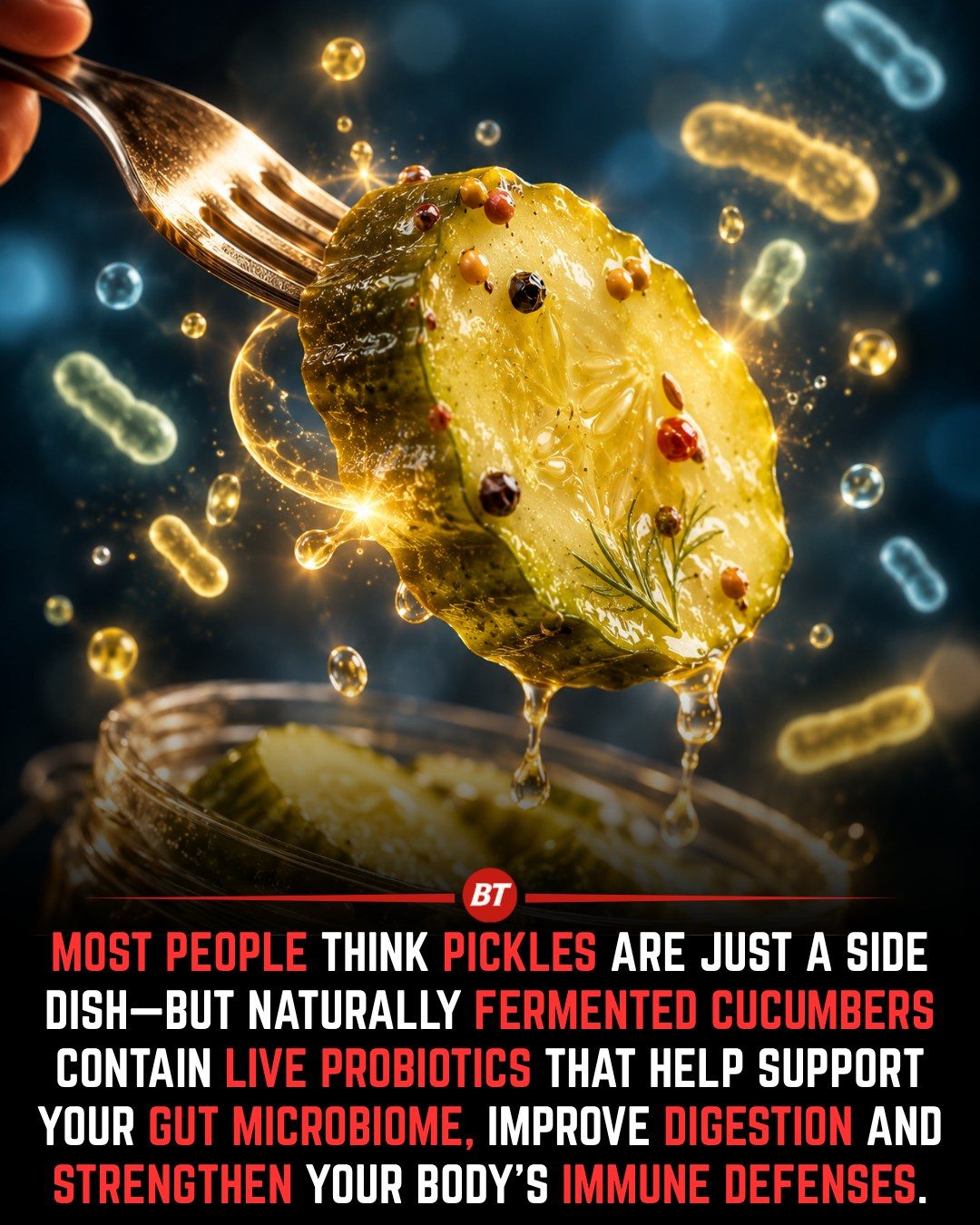
The Power of Naturally Fermented Pickles
Pickles, those tangy, crunchy treats often relegated to side dishes, hold more potential than meets the eye. Naturally fermented pickles, in particular, offer a range of health benefits that can support your overall well-being. These pickles, made with salt and water instead of vinegar, contain live beneficial bacteria that can help support a healthy gut microbiome.
Why This Matters
Understanding the distinction between naturally fermented and vinegar-pickled cucumbers is crucial. The fermentation process, facilitated by beneficial microbes like Lactobacillus, converts the cucumbers' natural sugars into lactic acid. This not only gives fermented pickles their distinctive tangy flavor but also helps preserve the vegetables while promoting the growth of beneficial bacteria.
The Science Behind Fermented Pickles
Gut Microbiome Support
A diverse gut microbiome is linked to improved digestion, better nutrient absorption, and enhanced communication between the gut and the immune system. Fermented foods, such as naturally fermented pickles, contain live microbes that can increase gut microbial diversity. This diversity is essential for maintaining a healthy gut environment, which in turn supports overall immune function. Around 70% of the body's immune cells are associated with the gut, making gut health a critical component of immune health.
Research Findings
Studies published in Cell, Nature Reviews Gastroenterology & Hepatology, and Nutrients have shown that regularly consuming fermented foods can support digestive and immune health. These findings underscore the importance of incorporating fermented foods, like naturally fermented pickles, into a balanced diet. The live probiotic bacteria in these pickles can help maintain a healthy gut microbiome, which is essential for overall health.
The Difference Between Fermented and Vinegar-Pickled Pickles
Not all pickles are created equal. Naturally fermented pickles, made with salt and water, contain live beneficial bacteria. In contrast, vinegar-pickled or pasteurized pickles generally do not contain live probiotic bacteria. The fermentation process is key to the beneficial properties of naturally fermented pickles. During fermentation, beneficial microbes convert the cucumbers' natural sugars into lactic acid, which not only enhances flavor but also preserves the vegetables and promotes the growth of beneficial bacteria.
Practical Tips for Choosing and Enjoying Fermented Pickles
Shopping for Fermented Pickles
When shopping for fermented pickles, look for labels that indicate "naturally fermented," "live cultures," or "keep refrigerated." These labels are more likely to contain living microbes than shelf-stable vinegar pickles. Check the ingredients list to ensure the pickles are made with salt and water rather than vinegar.
Incorporating Fermented Pickles into Your Diet
Fermented pickles can be enjoyed in a variety of ways. Add a few slices to sandwiches, salads, or grain bowls for a tangy kick. They also make a great snack on their own. Just remember, fermented pickles are often high in sodium, so moderation is key, especially if you're watching your salt intake.
Important Takeaways
Fermented pickles offer a range of health benefits, from supporting a healthy gut microbiome to enhancing immune function. To reap these benefits, opt for naturally fermented pickles made with salt and water. These pickles contain live probiotic bacteria that can support digestive and immune health. When shopping, look for labels that indicate "naturally fermented," "live cultures," or "keep refrigerated." Incorporate fermented pickles into your diet in moderation to enjoy their health benefits without overconsuming sodium.
Conclusion
Pickles are more than just a side dish; they are a powerhouse of beneficial bacteria that can support your gut health and immune function. By choosing naturally fermented pickles and incorporating them into your diet, you can enjoy their tangy flavor while promoting a healthy gut microbiome. Whether you add them to sandwiches, salads, or enjoy them as a snack, fermented pickles are a delicious and beneficial addition to any meal.
Watch the Reel
Questions readers ask
What are naturally fermented pickles and how are they different from vinegar-pickled ones?
Naturally fermented pickles are made using only salt and water, allowing beneficial bacteria like Lactobacillus to convert natural sugars into lactic acid. This process gives them a distinct tangy flavor and preserves the cucumbers. In contrast, vinegar-pickled cucumbers use vinegar for preservation and have a different flavor profile and do not contain live probiotics.
How do naturally fermented pickles support gut health?
Naturally fermented pickles support gut health by providing live probiotics, which are beneficial bacteria that help maintain a robust gut microbiome. This can aid in digestion and nutrient absorption, contributing to overall gut health.
Can fermented pickles help boost my immune system?
Yes, the live probiotics in naturally fermented pickles can help enhance the immune system. A healthy gut microbiome, supported by these probiotics, plays a crucial role in immune function. However, the immune system boost will vary from person to person.
What is the role of beneficial bacteria in the fermentation process?
Beneficial bacteria, such as Lactobacillus, play a vital role in the fermentation process of pickles. They convert the natural sugars in cucumbers into lactic acid, which not only preserves the cucumbers but also creates the distinctive tangy flavor of fermented pickles.
Are there any specific health benefits associated with live probiotics in fermented foods?
Live probiotics in fermented foods, like naturally fermented pickles, can help balance the gut microbiome, improve digestion, and enhance nutrient absorption. These probiotics can also support immune function and may alleviate symptoms of digestive issues like diarrhea.
How should I incorporate fermented pickles into my diet for maximum benefits?
To reap the benefits of naturally fermented pickles, try to consume them regularly as part of a balanced diet. You can enjoy them as a snack, add them to salads, or use them as a side dish. It's recommended to start with a small serving, such as 1-2 pickles per day, and gradually increase based on your tolerance.
Can I make naturally fermented pickles at home and if so, how?
Yes, naturally fermented pickles can be made at home by using a simple mixture of salt and water to create a brine. Begin by submerging cucumbers in the brine, then let the mixture sit at room temperature for several days. The cucumbers will naturally ferment, developing a tangy flavor and beneficial bacteria.
Related deep dives
Similar reads based on topic and creator.




Recent articles
Fresh deep dives from the latest Reels we unpacked.




Comments
Be the first to comment.