Real Foods vs. Processed Foods: Why Whole Foods Are Superior
The modern approach to health and nutrition has led many to believe that processed foods are necessary for a healthy lifestyle. However, real, unprocessed foods offer a multitude of benefits that processed alternatives simply cannot match. Understanding the difference between real and processed foods can significantly impact overall health and wellness.
Why This Matters
The shift towards processed foods has been driven by convenience and marketing. Foods like protein powders, energy drinks, and low-calorie snacks are marketed as healthy choices. However, these foods often lack the essential nutrients found in real, whole foods. Real foods, on the other hand, provide a balanced mix of nutrients that the body needs to function optimally. This matters because the foundation of a healthy diet should be based on real, whole foods, not processed substitutes.
The Benefits of Real Foods
More Nutrients
Real foods, such as eggs, steak, salmon, and chicken, are packed with essential nutrients. These foods provide a balanced mix of proteins, fats, and carbohydrates, along with vitamins and minerals that are crucial for overall health. For instance, salmon is rich in omega-3 fatty acids, which are beneficial for heart health and brain function. Eggs are a great source of high-quality protein and contain essential vitamins like vitamin D and vitamin B12. In contrast, processed foods often lack these essential nutrients and are instead filled with additives and preservatives.
Better Satiety
Real foods are generally more filling and satisfying than processed foods. This is because they contain more fiber, protein, and healthy fats, which help to keep you feeling full for longer. For example, a serving of avocado or nuts can provide sustained energy and satiety, whereas a protein bar or an energy drink might only provide a temporary energy boost followed by a crash. Real foods help to stabilize blood sugar levels, preventing the spikes and crashes that can lead to cravings and overeating.
Better Digestion
Real foods are easier to digest and are less likely to cause digestive issues. They contain natural enzymes and fiber, which aid in digestion and promote a healthy gut microbiome. On the other hand, processed foods often contain additives and artificial sweeteners that can disrupt the digestive system, leading to issues like bloating, gas, and constipation. Even ultra-processed "healthy" snacks can contain gums, fillers, and other ingredients that the body struggles to break down.
More Stable Energy
Real foods provide a more stable and sustained source of energy. They release glucose into the bloodstream at a slower, more controlled rate, which helps to maintain energy levels throughout the day. For example, whole grains, fruits, and vegetables provide a steady supply of energy, whereas processed snacks and energy drinks can cause a quick spike in blood sugar followed by a crash. This can lead to fatigue, irritability, and decreased productivity.
Less Ingredient-List Chemistry
Real foods have simple, recognizable ingredients. They are usually just one or a few ingredients, making them easy to understand and less likely to contain harmful additives. In contrast, processed foods often have long lists of ingredients that are difficult to pronounce and understand. These ingredients are often synthetic and can have negative effects on the body over time. For example, a protein bar might contain artificial sweeteners, colors, and flavors, whereas a piece of fruit is just a piece of fruit.
The Role of Processed Foods
It's important to note that processed foods can still be part of a healthy diet in moderation. The key is to make real, whole foods the foundation of your diet and to use processed foods as occasional treats or conveniences. For example, while real energy comes from foods like coffee, dates, and honey, a can of energy drink can be a convenient option during a busy day. Similarly, while real fats come from sources like avocado, olive oil, and nuts, a small amount of butter or chocolate spread can add flavor and enjoyment to meals.
Real Foods for Specific Nutritional Needs
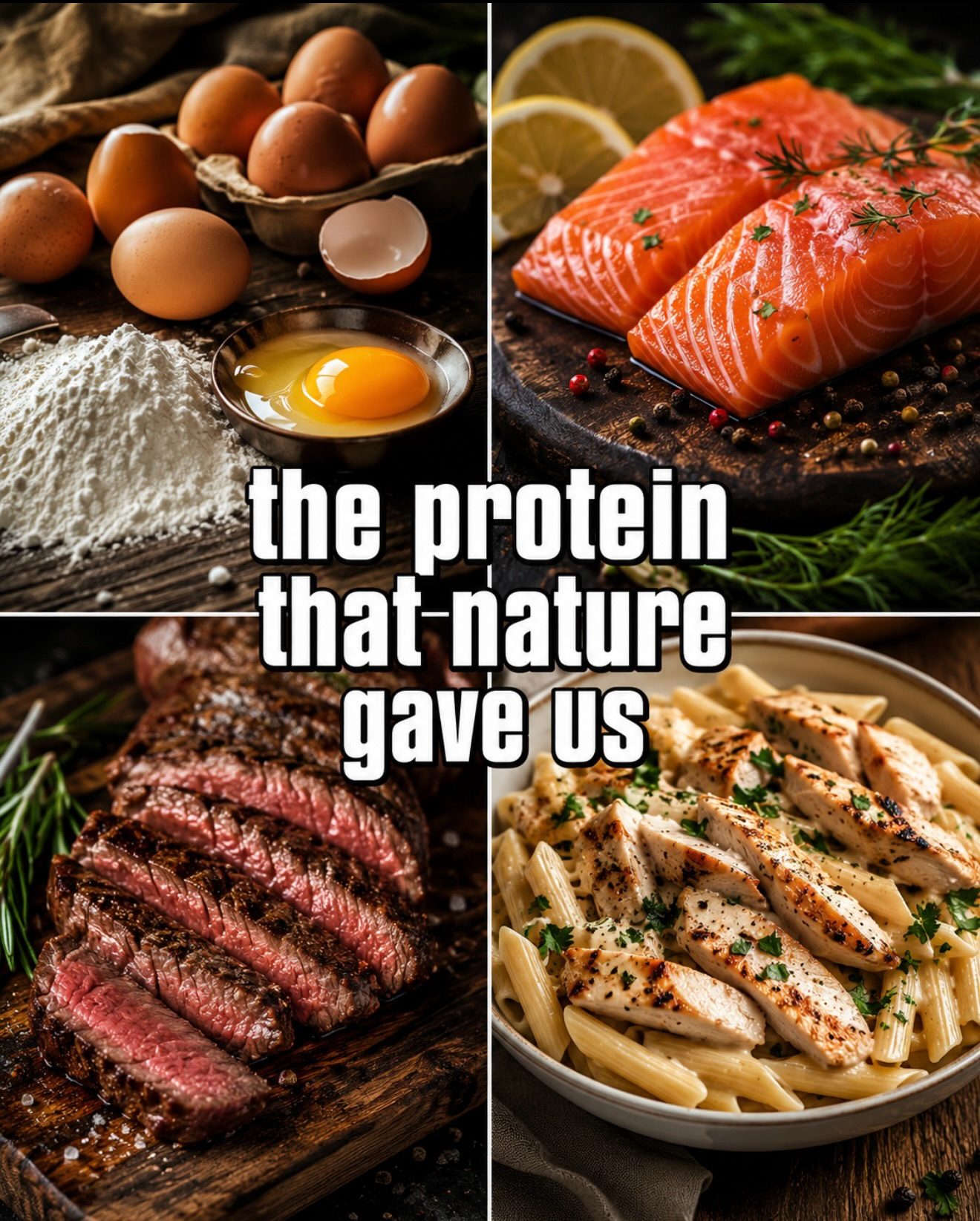
Real Protein
There are many natural sources of protein that are readily available. Examples include:
- Eggs
- Steak
- Salmon
- Chicken
- Pasta
- Ground beef
These foods are not only rich in protein but also provide other essential nutrients like vitamins, minerals, and healthy fats. They are also more satisfying and filling than processed protein sources like powders, bars, and puddings.
Real Sweets
When it comes to sweets, nature has provided a variety of options that are both delicious and nutritious. Examples include:
- Fruit
- Berries
- Kiwi
- Watermelon
These natural sweets are not only lower in calories but also contain fiber, vitamins, and antioxidants that support overall health. They are also less likely to cause blood sugar spikes and crashes than ultra-processed "low-calorie" snacks.
Real Fats
Healthy fats are essential for a balanced diet. Natural sources of healthy fats include:
- Avocado
- Olive oil
- Nuts
- Butter
These fats provide energy, support brain function, and help with the absorption of fat-soluble vitamins. They are also more satisfying and filling than processed fats like fake spreads and industrial oils.
Real Energy
For a natural energy boost, consider:
- Coffee
- Dates
- Honey
These foods provide a steady source of energy and are less likely to cause the crashes and crashes associated with energy drinks and stimulants. They also contain other beneficial nutrients that support overall health.
Tips for Incorporating More Real Foods
Plan Ahead
One of the biggest barriers to eating more real foods is convenience. Planning ahead can help to ensure that you have healthy, whole foods on hand when you need them. Consider meal prepping on the weekend or keeping a stash of quick and easy snacks like nuts, fruits, and vegetables.
Shop the Perimeter
When grocery shopping, focus on the perimeter of the store, where you'll find fresh produce, meats, and dairy products. Avoid the middle aisles, where processed and packaged foods are typically found.
Read Labels
When you do purchase packaged foods, read the ingredient list carefully. Look for products with short, recognizable ingredient lists and avoid those with artificial sweeteners, colors, and flavors.
Experiment with Recipes
Exploring new recipes can make eating real foods more exciting and enjoyable. Try incorporating a variety of whole foods into your meals, such as different types of proteins, grains, and vegetables.
Conclusion
Real, whole foods provide a wealth of benefits that processed foods simply cannot match. From more nutrients and better satiety to improved digestion and stable energy, real foods are the foundation of a healthy diet. By incorporating more real foods into your diet and using processed foods as occasional treats, you can support your overall health and wellness. Additionally, apps like Workit can help track your nutrition and fitness goals, making it easier to stay on track and make healthier choices.
Watch the Reel
Questions readers ask
What are the primary benefits of consuming real, unprocessed foods?
Real foods offer a multitude of benefits, including a rich supply of essential nutrients, better energy levels, and improved overall health. They are often more satisfying and can help maintain a balanced diet.
How do processed foods differ from real foods in terms of nutritional content?
Processed foods often lack the essential nutrients found in real foods. They may contain added sugars, unhealthy fats, and artificial ingredients, which can lead to nutritional imbalances.
Why is it important to ditch processed foods for real ones?
Ditching processed foods can help improve overall health by providing better nutrition and energy. Real foods are typically more filling and less likely to cause spikes and crashes in energy levels.
What are some examples of real foods that can boost energy levels?
Foods like whole grains, lean proteins, fruits, and vegetables are excellent sources of natural energy. They provide sustained energy levels throughout the day, unlike processed snacks or energy drinks.
How can I start incorporating more real foods into my diet?
Begin by gradually replacing processed snacks with whole fruits, nuts, or seeds. Choose whole grains over refined ones, and opt for lean proteins and fresh produce. Over time, you can build a diet primarily consisting of real, unprocessed foods.
What are some common misconceptions about processed foods?
Many people believe that processed foods are convenient and healthy due to marketing claims. However, these foods often lack essential nutrients and can lead to nutritional deficiencies over time.
How can real foods support a balanced diet?
Real foods provide a balanced mix of nutrients that the body needs to function optimally. They contain essential vitamins, minerals, and fiber, which support various bodily functions and promote overall well-being.
Recent articles
Fresh deep dives from the latest Reels we unpacked.




Comments
Be the first to comment.