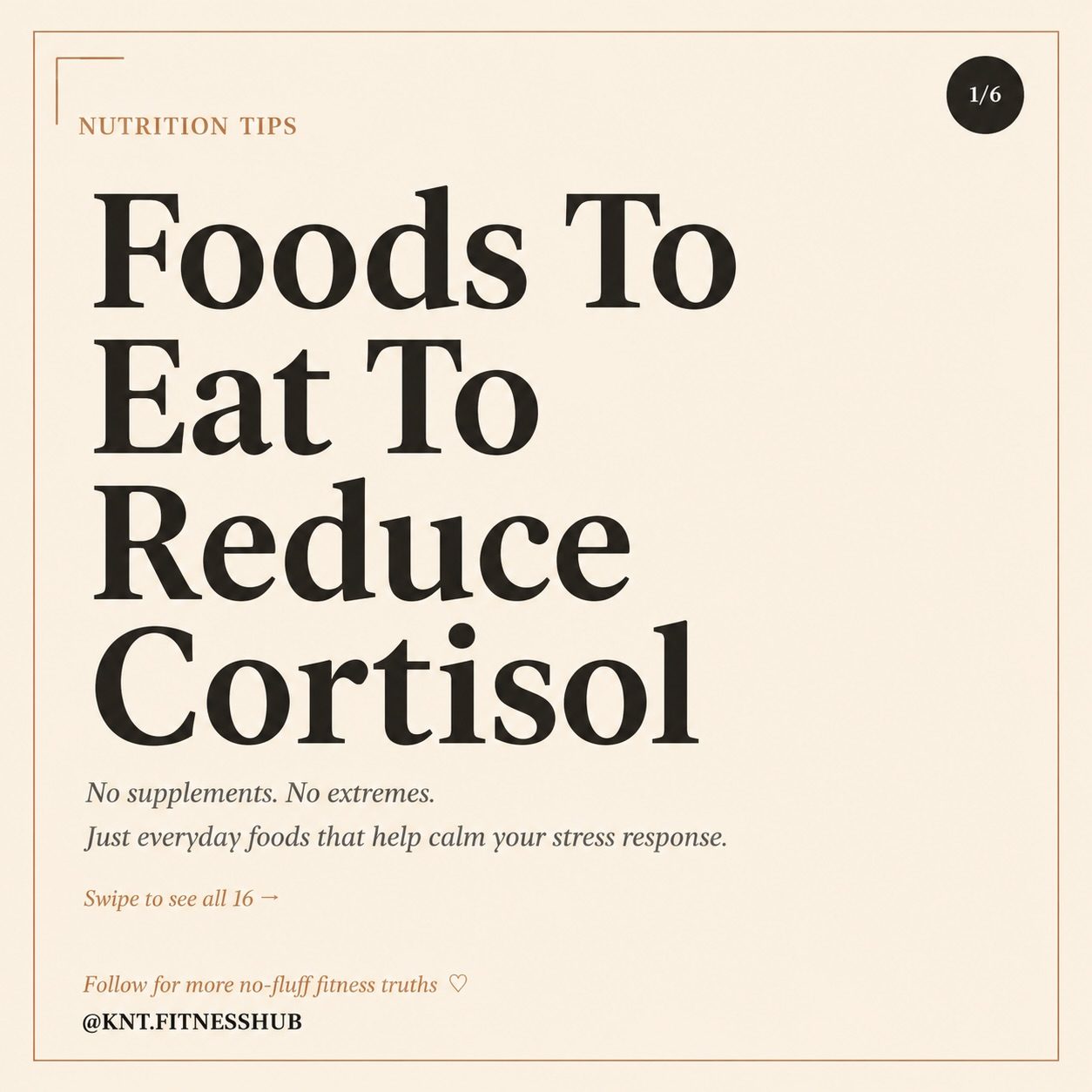
Foods To Reduce Cortisol
High cortisol levels can manifest in various ways beyond just feeling stressed. Cortisol, often called the stress hormone, can lead to stubborn belly fat, poor sleep, sugar cravings, and a persistent feeling of being wired but tired. Fortunately, managing cortisol levels doesn't require expensive supplements. Everyday foods can help support a calmer stress response when incorporated into your diet consistently.
Why This Matters
Understanding how to reduce cortisol through diet is crucial for overall well-being. High cortisol levels can disrupt sleep, increase belly fat, and even affect your mood. By making small adjustments to your diet, you can support a healthier, more balanced stress response. This can lead to better sleep, improved mood, and a reduction in stubborn belly fat.
Main Discussion
Calming Carbs and Gut Support
Calming carbohydrates and foods that support gut health can play a significant role in reducing cortisol levels. Some key foods in this category include:
- Chamomile Tea: Known for its soothing properties, chamomile tea can help calm the mind and reduce stress.
- Oats: Rich in fiber, oats can help stabilize blood sugar levels and promote a sense of calm.
- Sweet Potatoes: These are a great source of complex carbohydrates, which can help maintain stable blood sugar levels and reduce stress.
- Greek Yogurt: High in protein and probiotics, Greek yogurt supports gut health and can help manage stress.
Vitamin C and Magnesium Sources
Vitamin C and magnesium are essential nutrients that can help lower cortisol levels. Incorporating the following foods into your diet can provide these vital nutrients:
- Oranges: Packed with vitamin C, oranges can help boost your immune system and reduce stress.
- Spinach: Rich in magnesium, spinach supports muscle and nerve function, which can be affected by stress.
- Kale: Another excellent source of magnesium and vitamin C, kale can help reduce inflammation and support a healthier stress response.
- Walnuts: High in magnesium and healthy fats, walnuts can help reduce cortisol levels and support overall health.
Practical Tips
To effectively reduce cortisol levels through diet, consider the following practical tips:
Make Small Food Swaps
Incorporating the foods mentioned above into your diet doesn't have to be a drastic change. Small swaps can make a big difference. For example, swap your morning coffee for chamomile tea, or add a side of sweet potatoes to your dinner.
Plan Your Meals
Meal planning can help ensure that you consistently consume foods that support a calmer stress response. Include a variety of calming carbs, vitamin C, and magnesium-rich foods in your weekly meal plan.
Stay Hydrated
Drinking plenty of water is essential for overall health and can help support a healthier stress response. Aim for at least eight glasses of water a day, and consider adding herbal teas like chamomile for an extra calming effect.
Incorporate Gut-Supporting Foods
Foods that support gut health, such as Greek yogurt, can help reduce cortisol levels. Include probiotic-rich foods in your diet to support a healthy gut microbiome.
Monitor Your Sugar Intake
High sugar intake can lead to spikes in cortisol levels. Try to limit your intake of sugary foods and opt for healthier alternatives like fruits and complex carbohydrates.
Important Takeaways
- Calming Carbs: Foods like oats, sweet potatoes, and Greek yogurt can help stabilize blood sugar levels and promote a sense of calm.
- Vitamin C and Magnesium: Foods rich in these nutrients, such as oranges, spinach, kale, and walnuts, can support a healthier stress response.
- Small Swaps: Making small dietary changes can lead to significant improvements in cortisol levels and overall well-being.
- Gut Health: Incorporating gut-supporting foods like Greek yogurt can help reduce cortisol levels and improve mood.
Conclusion
By making small, consistent changes to your diet, you can significantly reduce cortisol levels and support a calmer stress response. Incorporating calming carbs, vitamin C, and magnesium-rich foods, along with gut-supporting options, can lead to better sleep, improved mood, and a reduction in stubborn belly fat. Start by adding a few of these foods to your grocery list and notice the difference over time. Your nervous system will thank you.
Watch the Reel
Questions readers ask
Which foods are high in vitamin C, the essential nutrient for stress relief mentioned in the article?
Foods rich in vitamin C include citrus fruits like oranges, grapefruits, and lemons, as well as bell peppers, strawberries, and broccoli. These foods can help support your body's stress response by boosting your immune system and aiding in the production of neurotransmitters.
What are some carbohydrates that can help manage cortisol levels?
Complex carbohydrates like whole grains, oats, and brown rice can help manage cortisol levels. These foods trigger the production of serotonin, a neurotransmitter that promotes a sense of calm and well-being. Oats, in particular, are a great way to start the day with a balanced and stress-relieving meal.
How do probiotics, such as those found in Greek yogurt, help lower cortisol levels?
Probiotics found in Greek yogurt and other fermented foods support gut health, which in turn helps regulate cortisol levels. A healthy gut can reduce inflammation and improve communication between your gut and brain, leading to a more balanced stress response.
What are some food sources of magnesium, a nutrient that can help lower cortisol levels?
Foods rich in magnesium include leafy greens like spinach and kale, nuts and seeds, whole grains, and dark chocolate. Magnesium plays a crucial role in relaxing muscles and promoting a sense of calm, which can help reduce cortisol and alleviate stress.
What should I stock in my grocery list to support a low cortisol diet?
For a low cortisol diet, include foods like whole grains, fruits and vegetables, probiotic-rich foods, and magnesium-rich foods. Key items to add to your grocery list include oats, citrus fruits, Greek yogurt, leafy greens, and nuts and seeds.
Can you suggest a quick, stress-relieving breakfast option?
A quick and stress-relieving breakfast option can be a bowl of oats topped with berries and a sprinkle of chia seeds. This meal combines complex carbohydrates from oats, vitamin C from berries, and magnesium from chia seeds, all of which can help reduce cortisol levels and start your day on a calm and balanced note.
How do foods rich in vitamin C help manage stress?
Vitamin C is essential for supporting adrenal function, which regulates cortisol production. By consuming foods rich in vitamin C, you can help your body manage stress more effectively. This can lead to improved mood, better sleep, and an overall reduction in stress levels.
Related deep dives
Similar reads based on topic and creator.



Recent articles
Fresh deep dives from the latest Reels we unpacked.




Comments
Be the first to comment.