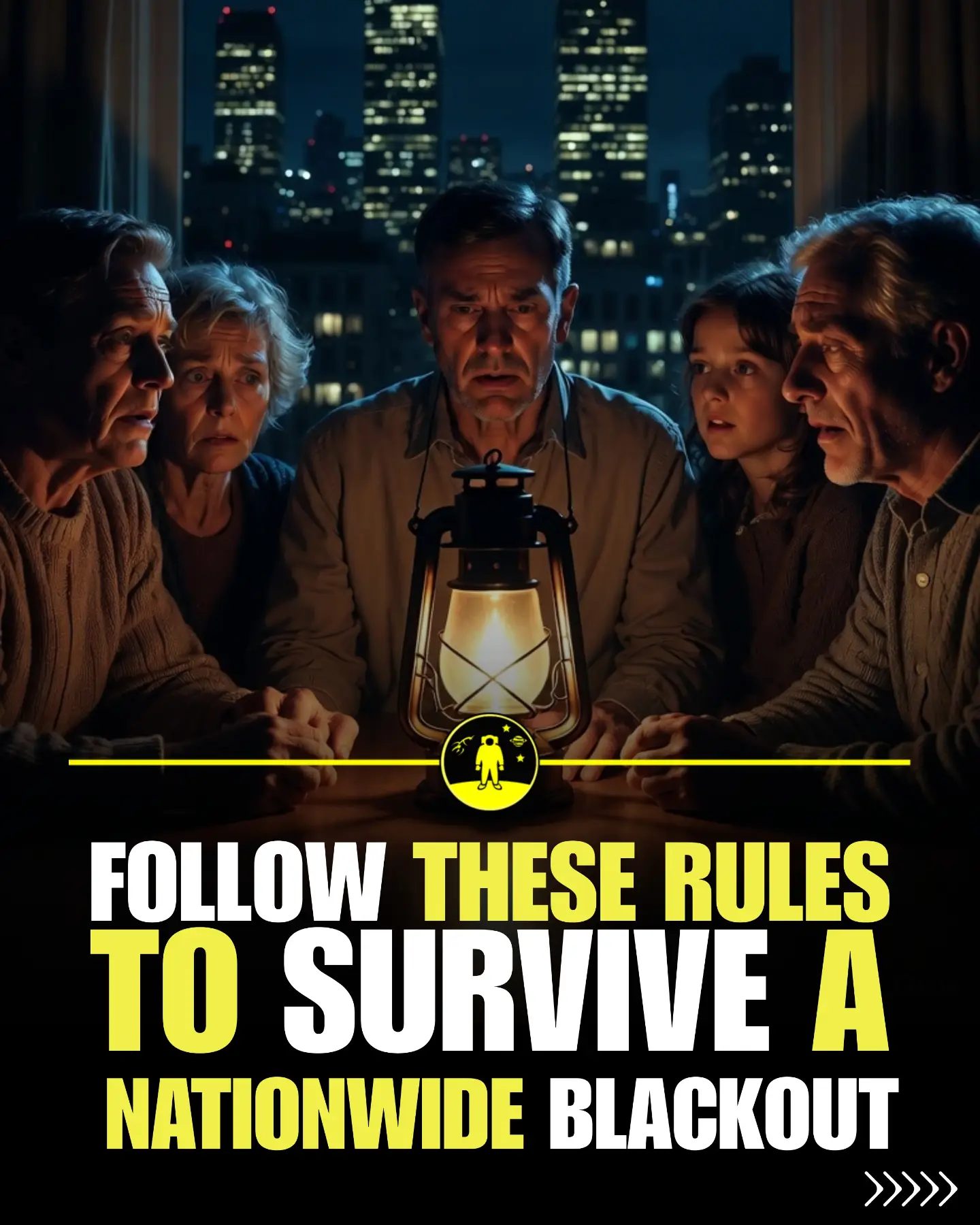
Nationwide Blackout Survival and Safety
Preparing for a nationwide blackout involves more than stocking up on supplies. It requires a clear understanding of the risks and the right strategies to ensure safety. Many viral survival tips can exaggerate risks or encourage unsafe behavior. The reality is that the appropriate response depends on various factors, including the cause of the blackout, your location, weather conditions, and guidance from local authorities.
Why This Matters
A nationwide blackout is a serious emergency that can disrupt daily life, compromise safety, and even threaten lives. Being prepared means understanding the potential risks and having a solid plan in place. This includes recognizing the roles of emergency workers, managing supplies, and staying informed. Proper preparation can mitigate the challenges and help you navigate the situation more safely.
Main Discussion
Understanding the Scope
A nationwide blackout can result from various causes, such as natural disasters, cyber-attacks, or infrastructure failures. The severity and duration of the outage can vary, and so can the challenges it presents. For example, a blackout in a cold climate may pose different risks and require different preparations than one in a hot climate. Understanding the specific risks for your location and the likely duration of the outage can help you tailor your preparations effectively.
Preparation and Supplies
Having the right supplies is crucial for surviving a blackout. An emergency kit should include:
- Clean drinking water
- Nonperishable food
- Essential medicines
- Flashlights
- Batteries
- Power banks
- A battery-powered radio
- First aid supplies
- A family communication plan
Preparation is more effective when done in advance. For instance, if officials warn of potential water supply interruptions, fill clean, food-safe containers with drinking water. A bathtub can be useful for washing or flushing toilets, but its water should not be assumed safe to drink. Additionally, storing supplies like bottled water, canned goods, and medicine can be highly valuable during a blackout.
Managing Power
Using a generator during a blackout can provide a critical power source, but it must be done safely. Generators produce carbon monoxide, an invisible and odorless gas that can be deadly if inhaled. The generator should always be placed outdoors, far from doors, windows, and vents to prevent the gas from entering your home. Furthermore, a loud generator can reveal that your home has power, potentially making it a target for looters. Keeping the generator quiet and running it only when necessary can help maintain a low profile.
Financial Preparedness
In some cases, electronic payment systems may stop working during a blackout. Having a small amount of cash can be helpful for essential purchases. However, it's important to note that digital banking does not simply disappear during every blackout. Being prepared with both cash and digital payment options can provide flexibility.
Staying Safe and Secure
A key aspect of surviving a blackout is staying safe and secure. This includes keeping your home secure without creating unnecessary fear or blocking windows. Battery-powered lights are much safer than candles or open flames, as they reduce the risk of fire. Additionally, verifying the identities of emergency workers and following official instructions can help ensure that you are getting accurate information and assistance.
Practical Tips
- Communicate with Family: Establish a family communication plan. Ensure everyone knows how to contact each other and where to meet if separated.
- Stay Informed: Listen to a battery-powered radio for updates and instructions from local authorities. Reliable information is crucial during a crisis.
- Avoid Panic Buying: Long power outages may lead to crowded supermarkets, but panic buying usually creates more problems than it solves. Preparing emergency food and water before an outage is far more effective than rushing to stores during a crisis.
- Safety First: Always prioritize safety. Verify the identities of emergency workers and follow official instructions to avoid spreading fear based on rumors.
Important Takeaways
The right response to a nationwide blackout depends on various factors, including the cause, your location, weather conditions, and guidance from local authorities. Key points to remember include:
- Preparation: Having the right supplies and a solid plan can mitigate many challenges.
- Safety: Always prioritize safety, especially when using generators and managing power.
- Communication: Stay informed and communicate effectively with your family and local authorities.
- Avoid Panic: Panic buying and spreading fear based on rumors can exacerbate problems. Reliable information and calm preparation are far more valuable.
Conclusion
A nationwide blackout is a serious emergency, but with the right preparation and knowledge, you can navigate it safely. Understanding the potential risks, having the right supplies, and following safety guidelines are essential steps. By staying informed and calm, you can ensure that you and your family are prepared for any challenges that arise.
Watch the Reel
Questions readers ask
What are the essential items to include in a blackout emergency kit?
A well-stocked blackout emergency kit should include non-perishable food, a supply of clean water, a portable radio for updates, a first-aid kit, flashlights, extra batteries, a whistle for signaling, and any necessary medications. Ensure you have enough supplies to last at least 72 hours. Also, consider including cash, as ATMs and credit card machines may not be operational.
How can I stay informed during a nationwide blackout?
Stay informed by using a battery-powered or hand-crank radio to receive updates from local authorities. Additionally, consider having a solar-powered or battery-powered phone charger to keep your mobile devices operational for as long as possible. Avoid using your car to charge devices, as this can deplete your vehicle's battery and potentially leave you stranded.
What are the best food options for blackout food storage?
Opt for non-perishable, easy-to-prepare foods such as canned goods, dried fruits, nuts, and energy bars. Avoid items that require refrigeration or cooking, as you may not have access to these amenities during a blackout. Also, consider including a manual can opener in your supplies.
How should I manage my water supply during a blackout?
Store at least one gallon of water per person per day for drinking and sanitation. Include a water purification method, such as purification tablets or a portable water filter, in case your stored water runs out. Keep in mind that water purification methods are not only useful during blackouts, but also during other emergencies.
What safety precautions should I take when venturing outdoors during a blackout?
Be cautious when venturing outdoors, especially at night. Use flashlights or headlamps to navigate and avoid using candles, which can pose a fire hazard. Always inform someone of your plans and expected return time. Be aware of your surroundings and any potential hazards, such as downed power lines or flooding.
How can I keep my home safe during a prolonged blackout?
Secure your home by locking all doors and windows. If you have a fireplace, use it for heat and cooking, but ensure you have proper ventilation to prevent carbon monoxide buildup. Keep a fire extinguisher on hand and know how to use it. Turn off and unplug major appliances to prevent power surges when electricity is restored.
What role do emergency workers play during a nationwide blackout?
Emergency workers, such as police, firefighters, and paramedics, are crucial during a nationwide blackout. They help maintain public safety, respond to emergencies, and provide guidance. Follow their instructions and avoid putting yourself or others in harm's way. Stay in touch with local news and alert systems for official updates and safety guidelines.
Recent articles
Fresh deep dives from the latest Reels we unpacked.




Comments
Be the first to comment.