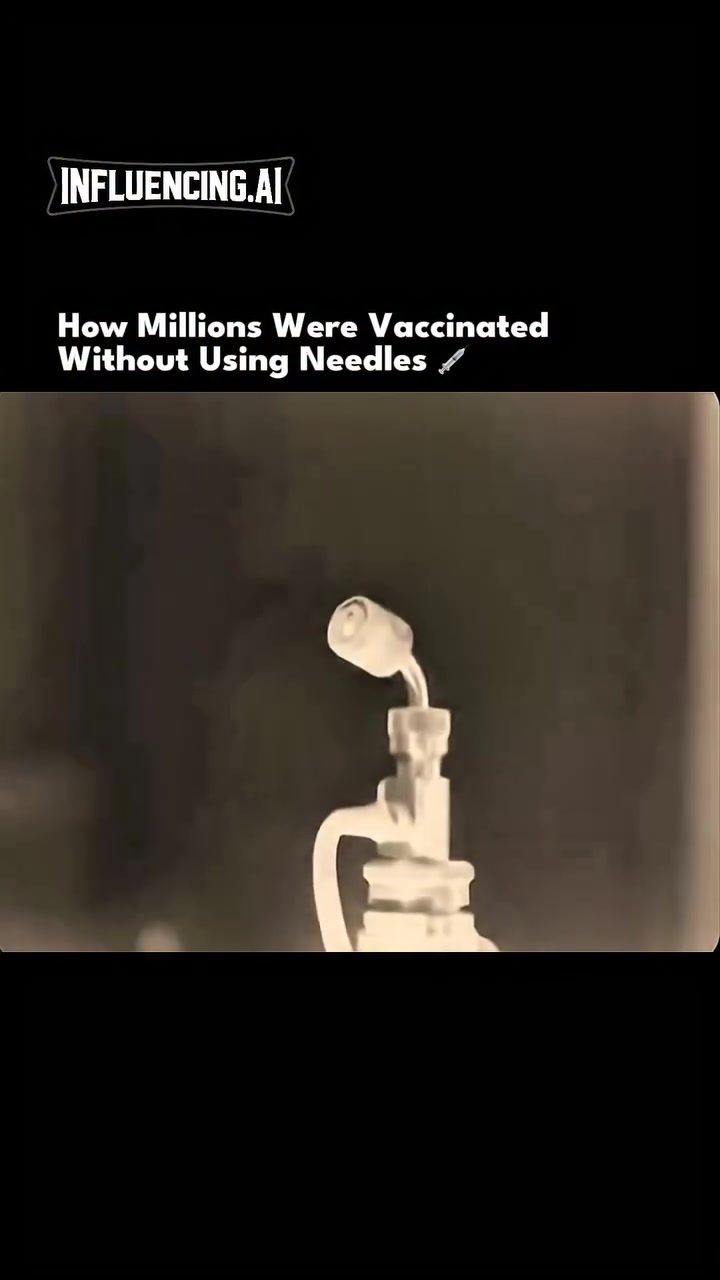
Nose Vaccine Demonstration
Nasal spray vaccination is an alternative method of administering vaccines that has been gaining attention, particularly in the context of mass vaccination campaigns. This method involves using a device to spray a liquid vaccine into the nostrils, offering a needle-free approach to immunization.
Context
Historically, mass vaccination efforts have relied heavily on traditional needles and syringes. However, alternatives such as jet injectors and nasal spray devices have been explored to address the challenges of vaccinating large populations efficiently and safely. Jet injectors, for instance, were widely used in the 1960s for their speed and efficiency in delivering vaccines without needles. These devices worked by forcing a thin, high-pressure stream of liquid through the skin, making the process faster and more convenient for mass vaccination campaigns. However, concerns about the potential spread of infections due to reusable components led to the adoption of safer, single-use designs and the eventual prevalence of conventional syringes.
Jet Injectors: A Historical Perspective
The Rise of Jet Injectors
Jet injectors emerged as a revolutionary tool in the 1960s, offering a needle-free method of vaccine administration. These devices were particularly useful during public health campaigns, where the speed and efficiency of vaccinating large groups of people were crucial. By delivering a thin, high-pressure stream of liquid through the skin, jet injectors reduced the time and discomfort associated with traditional needle injections.
Challenges and Phasing Out
Despite their advantages, jet injectors faced significant challenges. Reusable versions of these devices were later phased out due to concerns about infection spread if not properly sterilized. This led to the development of safer, single-use designs. However, even with these improvements, conventional syringes became the standard method for vaccine administration due to their reliability and familiarity.
Nasal Spray Vaccines: An Alternative Approach
Mechanism and Advantages
The nasal spray vaccination method involves using a medical device to administer a liquid vaccine directly into the nostrils. This approach offers several advantages, including:
- Needle-Free Administration: Eliminates the fear and discomfort associated with traditional needle injections.
- Ease of Use: Simplifies the vaccination process, making it more accessible and convenient for both healthcare providers and recipients.
- Potential for Wider Reach: Especially useful in mass vaccination campaigns, where speed and efficiency are critical.
Examples of Use
Nasal spray vaccines have been explored for various diseases, including influenza and COVID-19. These vaccines are designed to stimulate an immune response in the mucosal linings of the nose and throat, providing localized protection against respiratory pathogens.
Practical Tips
Administration Techniques
When administering nasal spray vaccines, it is crucial to follow these steps:
- Prepare the Device: Ensure the medical device is properly prepared and calibrated.
- Position the Device: Position the nozzle of the device at the entrance of the nostril, ensuring a tight seal.
- Administer the Dose: Press the trigger or button to release the vaccine spray while inhaling gently through the nose.
Storage and Handling
Proper storage and handling of nasal spray vaccines are essential to maintain their efficacy:
- Temperature Control: Store the vaccines at the recommended temperature, usually between 2°C to 8°C (36°F to 46°F).
- Avoid Contamination: Handle the device with care to avoid contamination and ensure it is used in a clean environment.
Important Takeaways
Nasal spray vaccines represent a promising alternative to traditional needle injections, offering a more convenient and potentially less invasive method of vaccination. While jet injectors demonstrated the feasibility of needle-free vaccination in the past, nasal spray vaccines offer a modern approach with similar benefits and fewer drawbacks. As research continues, nasal spray vaccines could play a significant role in future public health campaigns, particularly in scenarios requiring rapid and widespread vaccination.
Conclusion
Nasal spray vaccination is a groundbreaking method that offers a needle-free, efficient, and potentially more accessible way to administer vaccines. By understanding the historical context of jet injectors and the current advancements in nasal spray technology, we can appreciate the evolution of vaccination methods and their potential to improve public health outcomes. As we continue to explore and develop new vaccination techniques, nasal spray vaccines stand out as a promising option for the future.
Watch the Reel
Questions readers ask
How does nasal spray vaccination work?
Nasal spray vaccination delivers a liquid vaccine directly into the nostrils using a specialized device. This method allows the vaccine to be absorbed through the mucosal membranes in the nose, triggering an immune response similar to traditional needle-based vaccines.
What are the benefits of nasal spray vaccination in mass campaigns?
Nasal spray vaccination can significantly streamline mass vaccination efforts by eliminating the need for needles and syringes. This can reduce waste, decrease the risk of needle-stick injuries, and make the process faster and more efficient, especially in large-scale settings.
Are there other needle-free vaccine delivery methods besides nasal sprays?
Yes, other needle-free methods include jet injectors, which were popular in the 1960s. Jet injectors use high pressure to deliver a thin stream of vaccine under the skin, providing a quick and efficient way to administer vaccines without needles.
Can nasal spray vaccines be used for all types of vaccines?
While nasal spray vaccines have been developed for certain diseases, such as the flu, they are not yet available for all types of vaccines. Current research is focused on expanding the range of diseases that can be prevented using this method.
What are the advantages of using jet injectors for vaccination?
Jet injectors offer several advantages, including speed and efficiency. They can deliver vaccines quickly and with less waste, making them ideal for mass vaccination campaigns. However, they are less commonly used today due to concerns about cross-contamination and the potential for discomfort.
How does the immune response differ between nasal spray and traditional vaccines?
Both nasal spray and traditional vaccines aim to stimulate an immune response, but the route of administration differs. Nasal spray vaccines are absorbed through the mucosal membranes in the nose, which can induce a strong immune response in the respiratory tract, while traditional vaccines are typically injected into the muscle or skin.
Are there any side effects associated with nasal spray vaccines?
Like any vaccine, nasal spray vaccines can have side effects, although they are generally mild and may include nasal congestion, runny nose, or soreness in the nose. These side effects typically resolve quickly and do not usually require medical intervention.
Recent articles
Fresh deep dives from the latest Reels we unpacked.




Comments
Be the first to comment.