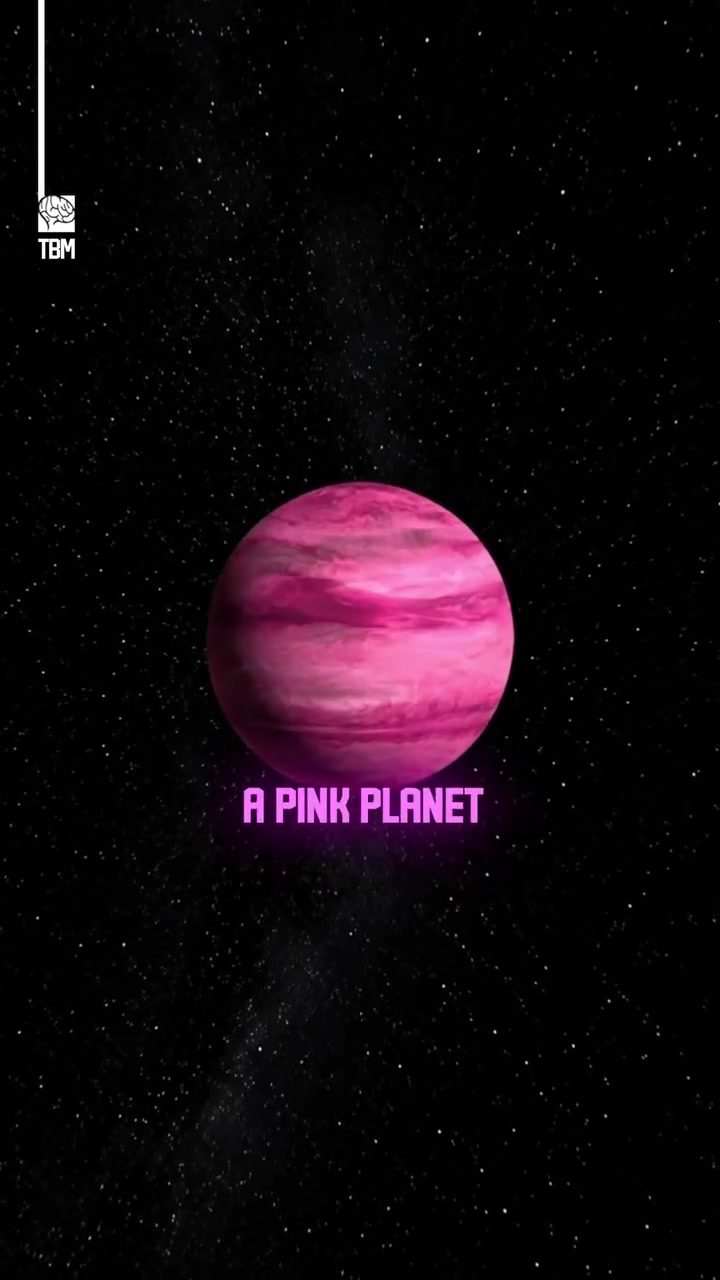
A Pink Planet and Its Mysterious Salt Clouds
GJ 504 b, a pink planet located an astonishing 57 light-years away, has recently unveiled one of the most peculiar atmospheric phenomena ever observed beyond our solar system. NASA’s James Webb Space Telescope played a pivotal role in this discovery, revealing mysterious salt clouds that have scientists intrigued and excited about the potential for studying distant exoplanet atmospheres.
Why this matters
The atmosphere of a planet is more than just the air we breathe; it’s a complex system of gases, particles, and weather patterns that can tell us a great deal about a planet’s formation, composition, and potential habitability. Understanding the atmospheres of exoplanets—planets that exist outside our solar system—is a key step in our quest to comprehend the universe and search for life beyond Earth.
The discovery of salt clouds on GJ 504 b not only adds to our knowledge of exoplanet atmospheres but also opens new avenues for studying these distant worlds. By analyzing the composition and behavior of these clouds, scientists can gain insights into the planet’s weather patterns, temperature, and chemical makeup.
Main discussion
GJ 504 b: A Pink World 57 Light-Years Away
GJ 504 b, also known as a pink planet, is a cold planetary mass companion located about 57 light-years from Earth. To put this distance into perspective, Mars is only a few light minutes away, while the light from GJ 504 b takes 57 years to reach our planet. This immense distance has made it incredibly challenging to study the planet’s atmosphere from the ground.
The recent findings from the James Webb Space Telescope have shed new light on this distant world. By capturing the planet’s spectrum in just about two hours, the telescope revealed an atmosphere filled with a variety of unusual molecules, including water vapor, methane, carbon dioxide, and ammonia. These molecules, along with the presence of salt clouds, provide a unique window into the planet’s atmospheric dynamics.
The Discovery of Salt Clouds
When researchers analyzed the data from the James Webb Space Telescope, they tested various atmospheric models to explain the observations. Among the different scenarios, only one explanation fit: clouds made of salt. These salt clouds are not only fascinating but also play a crucial role in the planet’s atmospheric processes.
The presence of salt clouds suggests that the planet’s atmosphere is dynamic and ever-changing. These clouds likely block deeper atmospheric layers, altering the way light interacts with the planet’s surface. This interaction changes the light spectrum detected by telescopes, providing scientists with a new way to study distant exoplanet atmospheres.
Implications for Future Research
The discovery of salt clouds on GJ 504 b has significant implications for future research in exoplanet studies. By understanding the composition and behavior of these clouds, scientists can gain valuable insights into the planet’s temperature, weather patterns, and chemical makeup. This knowledge can help refine atmospheric models and improve our ability to detect and characterize exoplanets.
Moreover, the techniques used to study GJ 504 b can be applied to other distant worlds, opening up new avenues for exploration and discovery. As our telescopes and analytical tools become more advanced, we can expect to uncover even more fascinating phenomena in the atmospheres of exoplanets.
Practical tips
For amateur astronomers and space enthusiasts interested in studying exoplanets, here are a few practical tips to get started:
Stay Updated on the Latest Research
Keep an eye on the latest findings from space telescopes like the James Webb Space Telescope. Staying informed about recent discoveries and advancements can provide valuable insights and inspire new areas of exploration.
Explore Exoplanet Databases
Online databases like the Exoplanet Archive and the Exoplanet Encyclopedia offer comprehensive information on known exoplanets. Explore these resources to learn more about the diverse range of planets beyond our solar system and their unique characteristics.
Join Astronomy Communities
Engaging with online communities and forums dedicated to astronomy can provide a wealth of knowledge and support. Share your findings, ask questions, and collaborate with fellow enthusiasts to deepen your understanding of exoplanets and their atmospheres.
Participate in Citizen Science Projects
Citizen science projects, such as the Zooniverse’s Planet Hunters, allow you to contribute to real scientific research by analyzing data from space telescopes. Participating in these projects can not only be rewarding but also help advance our understanding of distant worlds.
Important takeaways
The discovery of salt clouds on GJ 504 b is a remarkable achievement in the field of exoplanet research. Here are the key takeaways from this groundbreaking finding:
- Remote Observation: The James Webb Space Telescope’s ability to capture detailed spectra of distant exoplanets has revolutionized our understanding of their atmospheres.
- Atmospheric Composition: The presence of salt clouds on GJ 504 b suggests a complex and dynamic atmosphere, filled with water vapor, methane, carbon dioxide, and ammonia.
- New Research Methods: The techniques used to study GJ 504 b can be applied to other distant worlds, opening new avenues for exploration and discovery.
- Future Prospects: As our technology and analytical capabilities continue to advance, we can expect to uncover even more fascinating phenomena in the atmospheres of exoplanets.
Conclusion
The discovery of salt clouds on GJ 504 b represents a significant milestone in our understanding of exoplanet atmospheres. By studying these distant worlds, we gain valuable insights into the universe’s diversity and the potential for life beyond Earth. As our technology and analytical capabilities continue to advance, we can expect to uncover even more fascinating phenomena in the atmospheres of exoplanets, paving the way for future discoveries and breakthroughs. Whether you’re a seasoned astronomer or a curious space enthusiast, the mysteries of distant planets like GJ 504 b offer endless opportunities for exploration and discovery.
Watch the Reel
Questions readers ask
What makes GJ 504 b unique among the known exoplanets?
GJ 504 b is unique due to its distinctive pink color and the recent discovery of mysterious salt clouds in its atmosphere. These features make it a fascinating subject for astronomers studying exoplanets beyond our solar system.
How did NASA's James Webb Space Telescope contribute to the discovery of salt clouds on GJ 504 b?
The James Webb Space Telescope provided crucial observations that led to the detection of salt clouds in the atmosphere of GJ 504 b. Its advanced instrumentation allowed scientists to analyze the planet's atmosphere in unprecedented detail, revealing this intriguing phenomenon.
What are the potential implications of studying the atmosphere of GJ 504 b?
Studying the atmosphere of GJ 504 b, including its salt clouds, can provide valuable insights into the composition, formation, and weather patterns of exoplanets. This research could also help scientists understand the potential for life on distant planets and the conditions that might support it.
How far away is GJ 504 b from Earth?
GJ 504 b is located approximately 57 light-years away from Earth. This vast distance makes direct observation challenging, but advanced telescopes like the James Webb allow scientists to gather detailed data about the planet's atmosphere.
What role do salt clouds play in the atmosphere of GJ 504 b?
The salt clouds on GJ 504 b are a significant atmospheric feature that scientists are eager to study. These clouds can affect the planet's weather patterns and provide clues about its overall composition and potential for habitability.
What other exoplanets have similar atmospheric features to GJ 504 b?
As of now, GJ 504 b is unique in its combination of a pink hue and salt clouds. While other exoplanets have been found with diverse atmospheric compositions, the specific features observed on GJ 504 b make it a standout subject for ongoing research.
What future research is planned for studying GJ 504 b and its salt clouds?
Scientists plan to continue using the James Webb Space Telescope and other advanced instruments to gather more data on GJ 504 b. Future research will focus on understanding the formation and behavior of the salt clouds, as well as their impact on the planet's overall atmosphere and potential for supporting life.
Related deep dives
Similar reads based on topic and creator.

Recent articles
Fresh deep dives from the latest Reels we unpacked.




Comments
Be the first to comment.