Helicopter Crash Tests: Unraveling the Science Behind Safety
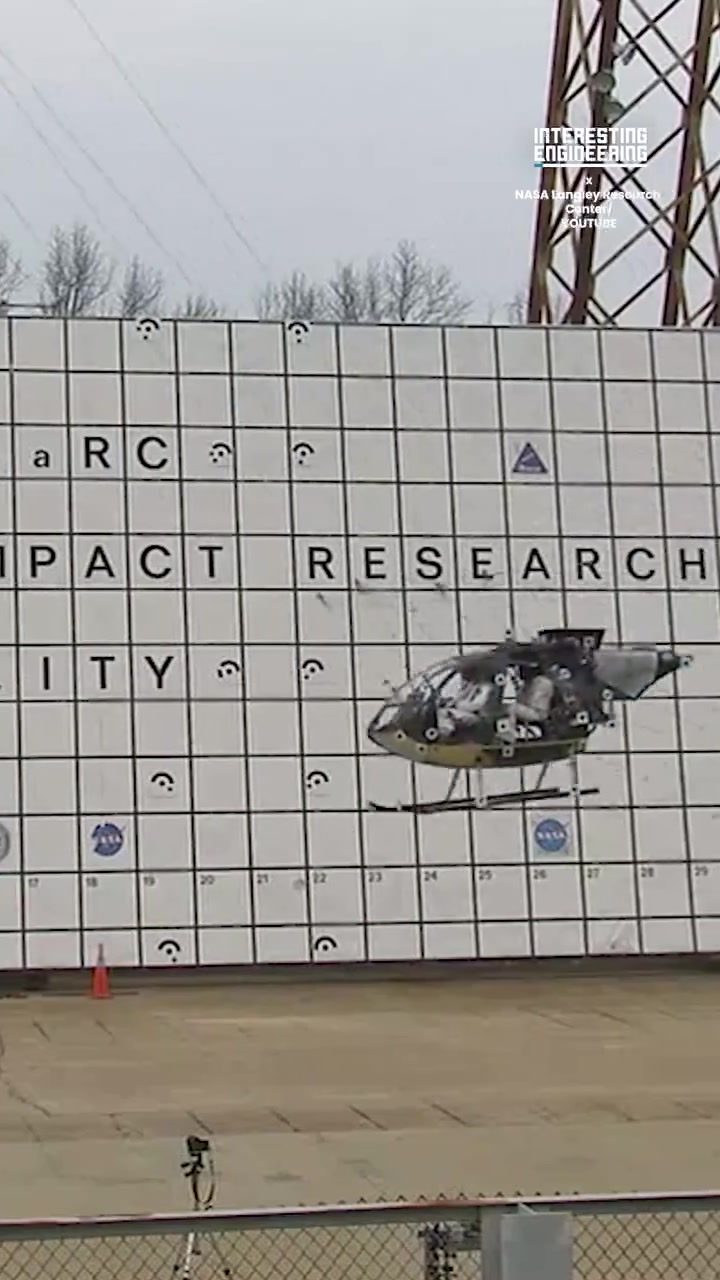
Helicopter crash tests play a crucial role in advancing helicopter safety. These controlled experiments provide invaluable data that helps engineers design safer helicopters and improve crash protection technologies. The latest full-scale helicopter crash test, conducted by NASA at the Langley Research Center in Hampton, Virginia, offers a compelling example of this vital work.
Why This Matters
Helicopter crash tests are essential for understanding how rotorcraft behave during severe impact scenarios. By deliberately crashing helicopters in controlled environments, researchers can gather data on structural integrity and occupant safety. This information is then used to develop safer designs and improve crash protection technologies. The ultimate goal is to reduce the risk of injuries and fatalities in real-world accidents.
The Science Behind Helicopter Crash Tests
Full-Scale Crash Testing
Full-scale crash tests involve deliberately crashing a complete helicopter to study its behavior during impact. These tests are conducted with crash test dummies, sensors, and high-speed cameras to capture detailed data. In the recent NASA test, a small helicopter was slammed into concrete, collapsing the skid gear and cracking the windscreen. Internal data recorders captured the occupant impact forces, providing researchers with crucial insights.
Sensor and Data Collection
High-speed cameras and sensors are essential tools in helicopter crash tests. They capture the minutest details of the impact, allowing researchers to analyze the data and understand how the helicopter's structure and components respond to the force of the crash. This data is critical for identifying areas of the helicopter that need improvement to enhance safety.
The Role of Crash Test Dummies
Crash test dummies are instrumental in simulating the impact forces experienced by occupants during a crash. They help researchers understand how the human body would react in such scenarios, enabling them to design better safety features. In the NASA test, the use of crash test dummies provided valuable insights into occupant safety and contributed to the development of safer helicopter designs.
The Impact of Crash Test Data
Structural Integrity
One of the primary goals of helicopter crash tests is to assess the structural integrity of the aircraft. By studying how the helicopter's components perform during impact, engineers can identify weak points and design more robust structures. This information is crucial for improving the overall safety of helicopters.
Occupant Safety
Occupant safety is another critical aspect of helicopter crash tests. The data collected helps engineers understand the forces experienced by occupants during a crash and design safety features to mitigate these forces. This can include improved seating designs, enhanced restraint systems, and other protective measures.
Practical Tips for Enhancing Helicopter Safety
Helicopter safety is a multifaceted issue that involves various elements, from design and maintenance to pilot training and operational procedures. Here are some practical tips for enhancing helicopter safety:
Regular Maintenance
Regular maintenance is crucial for ensuring the safety of helicopters. This includes checking the structural integrity of the aircraft, inspecting safety features, and addressing any issues promptly. Regular inspections and adherence to maintenance schedules can help prevent potential failures and ensure the helicopter is in optimal condition for flight.
Pilot Training
Pilot training plays a pivotal role in helicopter safety. Pilots need to be well-versed in emergency procedures and safety protocols. Regular training sessions and updates on the latest safety practices can help pilots respond effectively in emergency situations. This includes knowing how to handle sudden drops, engine failures, and other in-flight emergencies.
Safety Equipment
Equipping helicopters with the latest safety features can significantly enhance their safety. This includes seatbelts, harnesses, and other protective gear for occupants. High-speed cameras and sensors can be used to gather data during flights, providing valuable insights into the helicopter's performance and safety.
Crashworthiness Design
Crashworthiness design focuses on minimizing the risk of injuries and fatalities in the event of an accident. This involves designing helicopters with components that can absorb impact forces and protect occupants. Engineers can use data from crash tests to identify areas for improvement and develop safer designs.
Important Takeaways
Helicopter crash tests are instrumental in advancing helicopter safety. By conducting controlled experiments, researchers can gather valuable data on structural integrity and occupant safety. This information is essential for designing safer helicopters and improving crash protection technologies. The recent NASA test at the Langley Research Center demonstrates the importance of these tests in enhancing helicopter safety.
Conclusion
Helicopter crash tests are a vital component of improving helicopter safety. By studying how rotorcraft perform in severe impact scenarios, researchers can gather data that helps engineers design safer helicopters and develop better safety features. The recent full-scale helicopter crash test conducted by NASA at the Langley Research Center is a testament to the importance of these tests in enhancing helicopter safety and reducing the risk of injuries and fatalities in real-world accidents.
Watch the Reel
Questions readers ask
What is the purpose of NASA's full-scale helicopter crash tests?
NASA's full-scale helicopter crash tests aim to gather comprehensive data on how helicopters behave during severe impacts. This information is crucial for improving helicopter design and developing advanced crash protection technologies to enhance overall safety.
Where was the latest full-scale helicopter crash test conducted?
The most recent full-scale helicopter crash test was conducted at the NASA Langley Research Center in Hampton, Virginia. This facility provides the necessary controlled environment for such high-impact research.
What kind of data do researchers collect from these tests?
Researchers collect data on structural integrity and occupant safety during these tests. This includes information on how the helicopter's frame withstands impact, how occupants are affected, and the effectiveness of safety measures.
How does the data from these tests contribute to helicopter safety improvements?
The data gathered from these tests is used to inform the design of safer helicopters and to develop and refine crash protection technologies, ultimately aiming to reduce injuries and fatalities in real-world accidents.
Why are controlled crash tests important for rotorcraft safety?
Controlled crash tests are important because they simulate real-world impact scenarios in a safe and controlled manner, allowing researchers to gather precise data without actual risk to pilots or passengers.
What are some of the key areas of focus in NASA's helicopter safety research?
Key areas of focus in NASA's helicopter safety research include understanding the dynamics of rotorcraft during impact, testing new materials and structures for crashworthiness, and developing innovative safety features to protect occupants during an accident.
How do these tests help in developing new safety technologies?
By analyzing the data from these tests, researchers can identify areas for improvement in current designs and technologies. This leads to the development of new safety features and enhancements that can be integrated into future helicopter models to better protect occupants.
Recent articles
Fresh deep dives from the latest Reels we unpacked.




Comments
Be the first to comment.