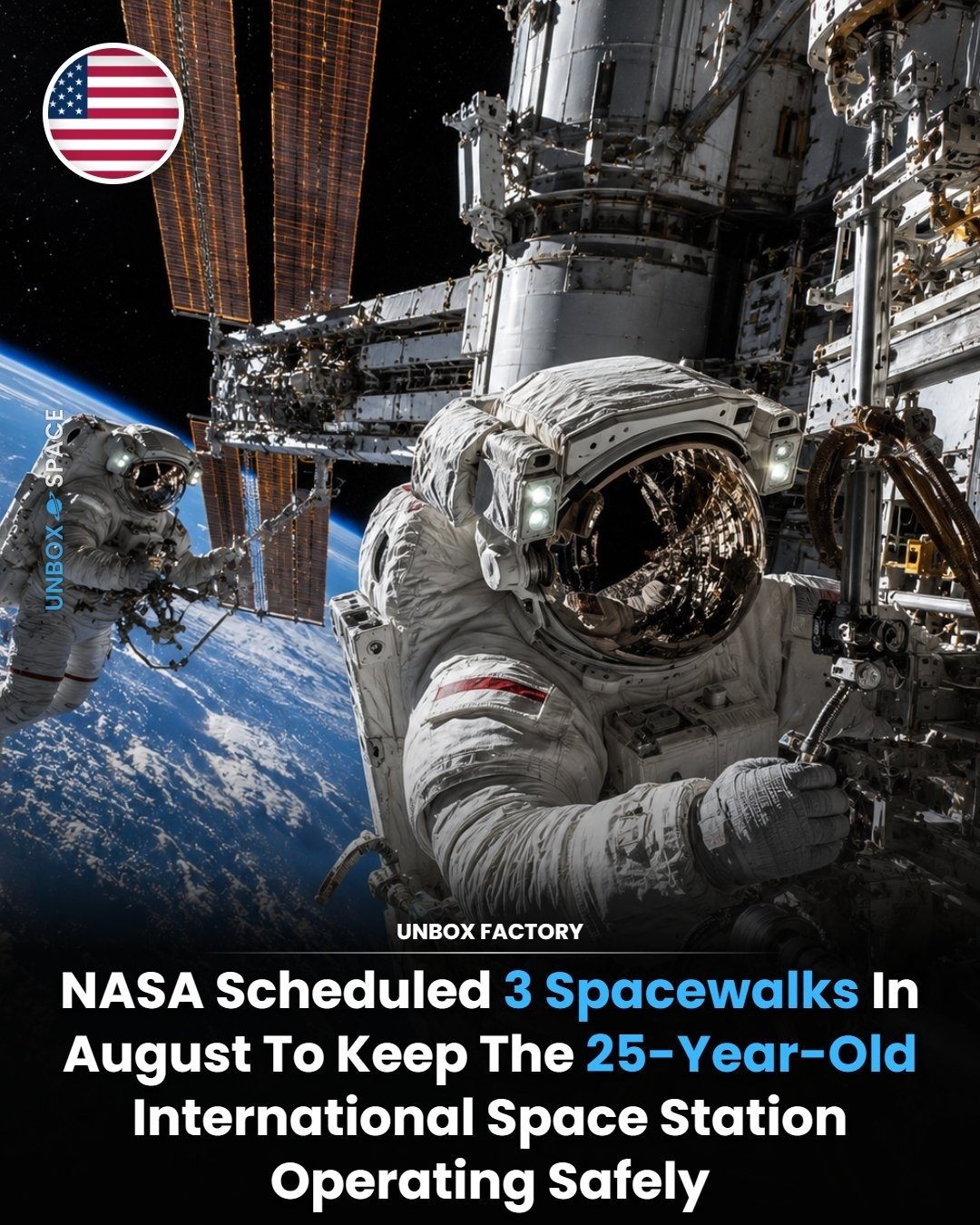
Spacewalks will maintain the International Space Station
Space exploration has always been a fascinating endeavour, pushing the boundaries of human capability and scientific discovery. One of the most iconic symbols of this endeavor is the International Space Station (ISS). To ensure its continued operation, NASA has scheduled three spacewalks in August 2026. These spacewalks are crucial for maintaining the 25-year-old station, which has been a beacon of international cooperation and scientific research since its first module was launched in 1998.
Context
The International Space Station is more than just a structure orbiting the Earth; it serves as a microgravity and space environment research laboratory. As of now, it has been instrumental in conducting thousands of experiments from scientists across 20 countries. These experiments range from biology and physics to materials science and technology development.
Upcoming August 2026 Spacewalks: What to Expect
Mission Objectives
The scheduled spacewalks in August 2026 will primarily focus on upgrading and maintaining the ISS. The missions encompass several key objectives:
-
Replacing Aging Hardware: Over the years, various components of the ISS have undergone wear and tear. These spacewalks will include replacing aging hardware to ensure the station continues to function optimally.
-
Installing New Equipment: As technology advances, new equipment is developed that can enhance the capabilities of the ISS. The spacewalks will involve installing this new equipment to improve the station's functionality.
-
Preventive Maintenance: Preventive maintenance is crucial for the long-term sustainability of the ISS. This includes routine checks and repairs to ensure that all systems are in good working order.
The Importance of Spacewalks
Spacewalks, also known as extravehicular activities (EVAs), are essential for the maintenance and repair of the ISS. During a spacewalk, astronauts venture outside the station to perform tasks that cannot be done from inside. These tasks include installing new equipment, repairing damaged components, and conducting scientific experiments in the unique environment of space.
Spacewalks are not without risks. Astronauts face challenges such as microgravity, extreme temperatures, and radiation. Therefore, extensive training and preparation are required to ensure the safety of the astronauts and the success of the missions.
The Operational Life of the ISS
The ISS has been orbiting Earth at approximately 28,000 km/h (17,500 mph), circling the planet about 16 times every day. Since continuous habitation began in 2000, the station has been a hub of scientific activity. The upcoming spacewalks are part of NASA's ongoing efforts to extend the operational life of the ISS, ensuring it remains a valuable asset for space exploration and research.
Practical Tips for Following Spacewalks
If you're interested in following the August 2026 spacewalks, here are some practical tips:
-
Stay Updated with Official Sources: NASA provides regular updates and live streams of spacewalks. Following their official channels, such as their website and social media accounts, will ensure you get the most accurate and up-to-date information.
-
Understand the Mission Objectives: Familiarize yourself with the mission objectives to better understand the significance of each task performed during the spacewalks. This will enhance your appreciation of the astronauts' efforts.
-
Join the Conversation: Engage with the space community through forums, social media, and online discussions. Sharing your thoughts and questions with other enthusiasts can deepen your understanding and excitement about space exploration.
-
Learn About the Astronauts: Knowing the astronauts who will be conducting the spacewalks can make the experience more personal. Learn about their backgrounds, training, and previous missions to gain a deeper appreciation for their work.
Important Takeaways
Spacewalks are a testament to human ingenuity and the spirit of exploration. They highlight the importance of maintenance and upgrades in ensuring the longevity of space infrastructure. The upcoming August 2026 spacewalks will play a crucial role in extending the operational life of the ISS, allowing it to continue as a beacon of scientific research and international cooperation.
These missions are not just about maintaining a structure; they are about ensuring that the ISS remains a platform for groundbreaking discoveries and innovations. The spacewalks will involve complex tasks that require precision, skill, and extensive preparation. By following these missions, you can gain a deeper understanding of the challenges and achievements of space exploration.
Conclusion
The International Space Station has been a cornerstone of space exploration for over two decades. The scheduled spacewalks in August 2026 are a critical part of maintaining and upgrading the ISS, ensuring it continues to serve as a hub for scientific research and international cooperation. By understanding the mission objectives, the importance of spacewalks, and the operational life of the ISS, you can gain a deeper appreciation for the contributions of NASA and the global space community. Stay tuned for these exciting missions and be a part of the journey as humanity continues to explore the final frontier.
Watch the Reel
Questions readers ask
Why is NASA planning spacewalks in August 2026 for the ISS?
NASA is planning these spacewalks to replace aging hardware, install new equipment, and perform essential maintenance tasks to keep the ISS operational and safe for astronauts.
How many spacewalks are scheduled for the ISS in August 2026?
NASA has scheduled three spacewalks for August 2026 to address the maintenance and upgrade needs of the ISS.
What specific tasks will astronauts perform during these spacewalks?
Astronauts will be tasked with replacing outdated components, installing new equipment, and conducting routine maintenance checks to ensure the ISS's continued functionality.
Why is the maintenance of the ISS important?
The ISS is a critical platform for scientific research and international cooperation. Regular maintenance ensures its continued operation and prevents potential hazards for the crew.
What is the significance of the ISS in space exploration?
The ISS is a unique microgravity and space environment research laboratory that has facilitated thousands of experiments, advancing our understanding of space and its effects on the human body and materials.
Who will be conducting the spacewalks on the ISS in 2026?
NASA astronauts, with the possible involvement of international partners, will conduct the spacewalks. The specific crew members will be announced closer to the scheduled dates.
How does NASA prepare for these spacewalks?
NASA prepares extensively for spacewalks, including training astronauts in neutral buoyancy pools (simulating microgravity), conducting thorough equipment checks, and developing detailed procedures for each task.
Related deep dives
Similar reads based on topic and creator.




Recent articles
Fresh deep dives from the latest Reels we unpacked.




Comments
Be the first to comment.