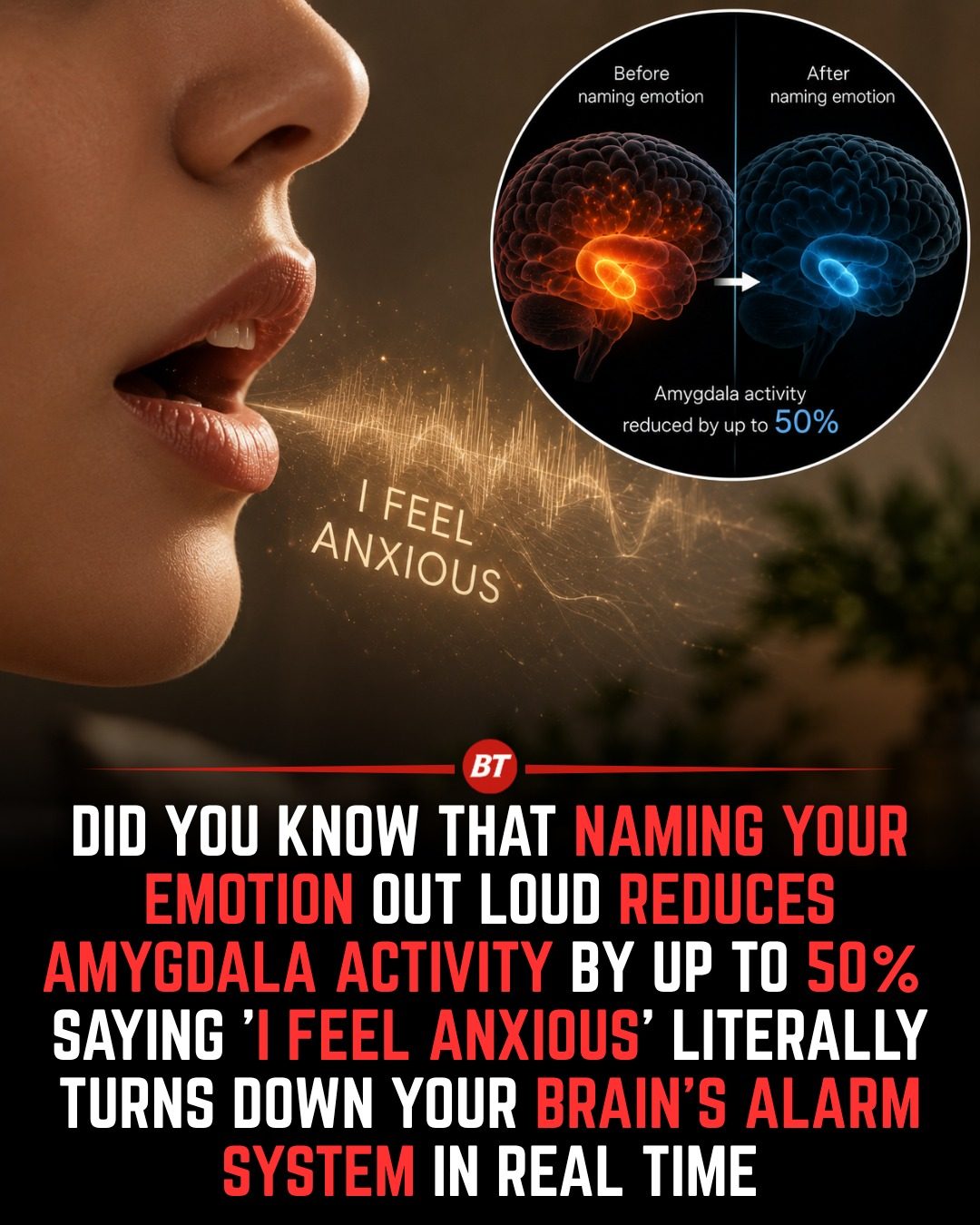
Emotional Regulation Through Affect Labeling
Affect labeling, the process of identifying and naming emotions, is a practical technique for managing stress and emotional intensity. This method can help reduce emotional overwhelm and improve emotional regulation. This process is backed by psychological research and used by many therapists in mindfulness, cognitive behavioral therapy, and stress management techniques.
Why This Matters
Emotional regulation is crucial for maintaining mental well-being and managing stress effectively. Most people experience emotional intensity and overwhelm frequently. Affect labeling offers a straightforward, practical approach to managing these emotions, which can lead to better decision-making and a calmer mind.
When people label their emotions, it helps to reduce emotional intensity. Putting feelings into words can turn down the brain's alarm system and make emotions feel more manageable. This is because the amygdala, the brain region involved in processing fear and threat, becomes less active, while areas of the prefrontal cortex, which are involved in reasoning and emotional control, become more active. This shift can help individuals respond more thoughtfully instead of reacting impulsively.
Affect Labeling: How It Works
Affect labeling may seem simple, but it involves a complex interplay between the brain's emotional and rational systems. When you name an emotion, such as saying "I feel anxious" or "I'm frustrated," you activate the prefrontal cortex, which is responsible for reasoning and emotional control. This activation can help calm the amygdala, the brain region that processes fear and threat.
Naming Emotions to Reduce Amygdala Activity
Naming your emotions out loud can reduce amygdala activity by up to 50%. This is because saying "I feel anxious" can literally turn down your brain's alarm system in real time. This shift in brain activity can help create mental distance, making it easier to choose your next step calmly.
The Science Behind Affect Labeling
Brain imaging studies have found that when people consciously label their emotions, activity in the amygdala often decreases. This decrease in activity can help individuals manage their emotions more effectively. Researchers have also found that areas of the prefrontal cortex involved in reasoning and emotional control become more active during affect labeling. This shift may help people respond more thoughtfully instead of reacting impulsively.
Practical Tips for Affect Labeling
Affect labeling can be a powerful tool for managing stress and emotional intensity. Here are some practical tips for incorporating affect labeling into your daily life.
Incorporate Affect Labeling into Your Daily Routine
Start by identifying and naming your emotions throughout the day. This can be as simple as saying "I feel anxious" or "I'm frustrated" to yourself. By acknowledging your emotions, you can help create mental distance and make it easier to choose your next step calmly.
Use Affirmations to Reinforce Positive Emotions
You can also use affirmations to reinforce positive emotions. For example, saying "I feel calm" or "I feel happy" can help cultivate a more positive mindset. This can be especially helpful during times of stress or emotional overwhelm.
Practice Mindfulness and Cognitive Behavioral Therapy
Many therapists incorporate affect labeling into mindfulness, cognitive behavioral therapy, and stress management techniques. These practices can help you become more aware of your emotions without judgment. By practicing mindfulness and cognitive behavioral therapy, you can develop a deeper understanding of your emotional responses and learn how to manage them more effectively.
Use Affect Labeling in Relationships
Affect labeling can also be a powerful tool for improving relationships. By naming your emotions and communicating them clearly to others, you can help prevent misunderstandings and conflict. This can lead to more open and honest communication, which can strengthen your relationships and improve your overall well-being.
Create a Calm Environment
Creating a calm environment can also help you practice affect labeling more effectively. This can include things like playing calming music, using aromatherapy, or practicing deep breathing exercises. By creating a peaceful and calming environment, you can help reduce stress and emotional intensity, making it easier to practice affect labeling.
Important Takeaways
Affect labeling is a powerful tool for managing stress and emotional intensity. By naming your emotions, you can help reduce amygdala activity and improve emotional regulation. This can help you respond more thoughtfully instead of reacting impulsively, leading to better decision-making and a calmer mind. Incorporating affect labeling into your daily routine, practicing mindfulness and cognitive behavioral therapy, and creating a calm environment can all help you make the most of this powerful technique.
Conclusion
Affect labeling is a practical and effective technique for managing stress and emotional intensity. By naming your emotions, you can help reduce amygdala activity and improve emotional regulation. This can lead to better decision-making and a calmer mind, improving your overall well-being. Incorporating affect labeling into your daily routine, practicing mindfulness and cognitive behavioral therapy, and creating a calm environment can all help you make the most of this powerful technique.
Watch the Reel
Questions readers ask
What is affect labeling and how does it work?
Affect labeling is the process of identifying and naming the emotions you experience. It works by activating the brain's rational centers, which helps to calm the emotional alarm system and reduce the intensity of overwhelming feelings. This technique can help you navigate your emotions more effectively and react thoughtfully.
How can naming emotions help reduce anxiety?
Naming emotions can help reduce anxiety by allowing you to acknowledge and process your feelings, rather than suppressing them. This can help calm the brain and make you feel more in control of your emotional state. It's a simple yet powerful technique for managing anxiety and improving emotional regulation.
Which parts of the brain are involved in affect labeling?
Affect labeling engages the brain's rational centers, specifically the prefrontal cortex, which is responsible for decision-making and emotional regulation. This area of the brain helps to calm the emotional alarm system, reducing the intensity of emotions and improving overall emotional well-being.
Can affect labeling be used to manage frustration?
Yes, affect labeling can be an effective technique for managing frustration. By naming your feelings of frustration, you can help to reduce the emotional intensity and gain a better understanding of what is causing your reaction. This can help you make better decisions and respond to the situation more thoughtfully.
Is affect labeling a recognized technique in therapeutic settings?
Yes, affect labeling is a recognized technique used by many therapists in various therapeutic settings, including mindfulness, cognitive behavioral therapy, and stress management. It is backed by psychological research and offers a practical approach to managing emotional intensity and improving mental well-being.
How can I start practicing affect labeling in daily life?
To start practicing affect labeling, pay close attention to your emotional states throughout the day. When you feel a strong emotion, such as anxiety or frustration, pause and try to identify the emotion by name. This can be done silently or by writing it down, ensuring you are acknowledging and processing the emotion in a calm and rational manner.
What are the benefits of affect labeling for emotional regulation?
Affect labeling can help improve emotional regulation by reducing emotional overwhelm and making it easier to navigate feelings. It can also lead to better decision-making, a calmer mind, and improved overall emotional well-being. Regular practice of affect labeling can make it easier to manage stress and emotional intensity in daily life.
Recent articles
Fresh deep dives from the latest Reels we unpacked.




Comments
Be the first to comment.