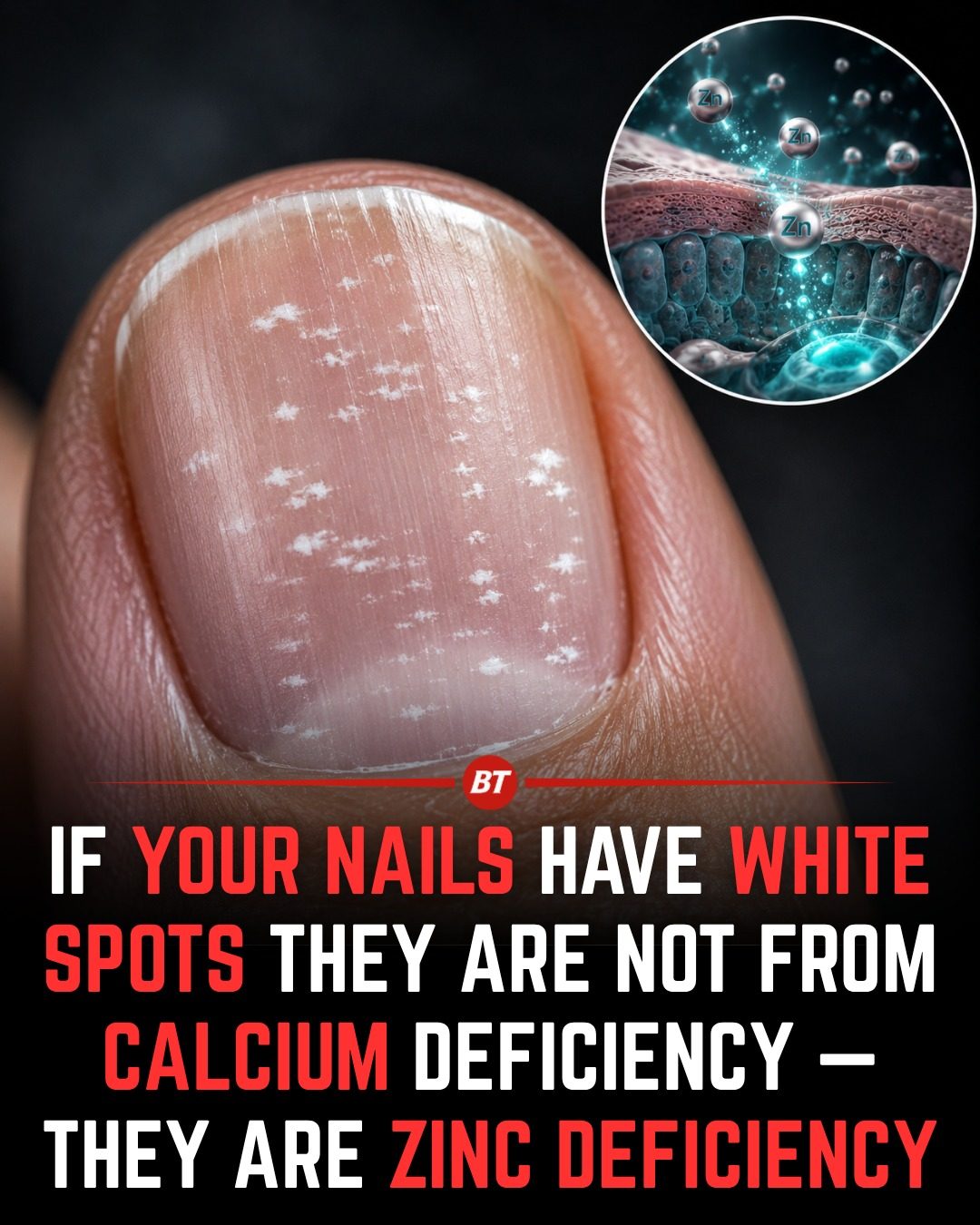
Nail Health and the Mystery of White Spots
White spots on fingernails are a common phenomenon that often raises questions about nutritional deficiencies. Contrary to popular belief, these spots are not always indicative of a calcium deficiency. Understanding the true causes behind white spots on nails can provide valuable insights into overall health and nutrition.
Why this matters
Nail health is an important aspect of overall well-being. Fingernails can offer clues about nutritional status and underlying health conditions. By understanding what causes white spots on nails, individuals can take proactive steps to improve their nail health and overall well-being.
Understanding White Spots on Nails
Common Misconceptions
One of the most widespread myths is that white spots on nails, known medically as leukonychia, are a sign of calcium deficiency. This misconception has led many to assume that increasing calcium intake will resolve the issue. However, this is not the case. In reality, zinc deficiency is often the culprit.
Causes of White Spots
White spots on nails are typically the result of minor trauma to the nail matrix, the area where the nail is formed. A small bump or injury can leave a white mark that grows outward as the nail grows. This is a common occurrence and usually nothing to worry about. However, persistent nail abnormalities, such as white spots, brittle nails, slow nail growth, and ridges, can sometimes be associated with nutritional deficiencies, particularly zinc deficiency.
Zinc is an essential mineral that plays a critical role in various bodily functions, including cell growth, tissue repair, and immune function. Inadequate zinc intake can affect the appearance and strength of the nails over time.
The Role of Zinc
Zinc is crucial for maintaining healthy nails. It is involved in the production of collagen, a protein that gives nails their strength and flexibility. Zinc deficiency can lead to weak, brittle nails that are prone to breakage and slow growth. Additionally, zinc is essential for the proper functioning of the immune system, which can indirectly affect nail health.
The Link Between Nail Health and Nutrition
Zinc-Rich Foods
Incorporating foods rich in zinc into your diet can help support healthy nails. Some excellent sources of zinc include:
- Pumpkin seeds: A convenient and tasty snack, pumpkin seeds are high in zinc and other essential nutrients.
- Oysters: Known for their high zinc content, oysters are a great seafood option for boosting zinc intake.
- Beef: Lean cuts of beef provide a good amount of zinc, along with other beneficial minerals like iron.
- Chickpeas and lentils: These legumes are not only high in protein but also contain a significant amount of zinc.
- Eggs: A versatile food, eggs are a good source of zinc and other essential nutrients.
- Cashews: These nuts are packed with zinc and other nutrients, making them an excellent snack choice.
The Importance of a Balanced Diet
While incorporating zinc-rich foods into your diet can help support nail health, it is essential to maintain a balanced diet. Eating a variety of nutrient-dense foods ensures that your body receives all the necessary vitamins and minerals it needs to function optimally. Nails, being a reflection of overall health, can benefit from a well-rounded diet.
Practical Tips for Supporting Nail Health
Dietary Adjustments
Incorporating zinc-rich foods into your diet is a practical way to support nail health. Aim to include a variety of zinc-rich foods in your meals and snacks. For those who follow a vegetarian or vegan diet, plant-based sources of zinc, such as legumes, nuts, and seeds, can be particularly beneficial.
Hydration
Proper hydration is essential for maintaining healthy nails. Drinking enough water helps keep nails hydrated and prevents them from becoming dry and brittle. Aim for at least eight glasses of water per day to support overall nail health.
Nail Care Routine
Establishing a regular nail care routine can help keep nails strong and healthy. This includes:
- Trimming and filing: Regularly trimming and filing nails can help prevent breakage and maintain their shape.
- Moisturizing: Applying hand lotion or cuticle oil can help keep nails and cuticles hydrated and healthy.
- Avoiding harsh chemicals: Limiting exposure to harsh chemicals, such as those found in cleaning products, can help prevent nail damage and maintain their strength.
Important takeaways
White spots on nails are not always a sign of calcium deficiency. In reality, zinc deficiency is often the underlying cause. Incorporating zinc-rich foods into your diet and maintaining a balanced diet can help support nail health and overall well-being. Regular nail care and proper hydration are also essential for maintaining strong and healthy nails.
Conclusion
White spots on nails can be a sign of zinc deficiency, not calcium deficiency. Proper nutrition, particularly adequate zinc intake, can help maintain nail health. Incorporating zinc-rich foods into your diet and maintaining a balanced diet can be beneficial. Regular nail care and proper hydration are also essential for keeping nails strong and healthy. By understanding the true causes behind white spots on nails and taking proactive steps to support nail health, individuals can achieve healthier, stronger nails.
Watch the Reel
Questions readers ask
Can white spots on nails always be attributed to a calcium deficiency?
No, white spots on nails are not always due to a calcium deficiency. They are often caused by minor injuries to the nail matrix, which is the tissue under the nail where it grows. This can be temporary and is usually nothing to worry about.
What does zinc deficiency have to do with nail health?
Zinc is essential for nail growth and strength. A persistent zinc deficiency can lead to poor nail health, including the appearance of white spots. Ensuring adequate zinc intake can support overall nail health and growth.
How can I address persistent white spots on my nails?
If you notice persistent white spots on your nails, it might be a sign of a zinc deficiency. Consult a healthcare provider for a proper diagnosis. They might recommend zinc supplementation or dietary changes to improve your zinc intake. Additionally, maintaining good nail care habits can help.
What role does zinc play in overall health beyond nail growth?
Zinc is crucial for various bodily functions, including supporting the immune system, aiding in wound healing, and maintaining healthy skin. A deficiency in zinc can lead to a range of health issues, making it important to ensure adequate zinc intake through diet or supplementation.
Can improving my diet help with white spots on my fingernails?
Yes, improving your diet can help. Foods rich in zinc, such as oysters, beef, poultry, and beans, can support nail health. If your diet lacks zinc, consider increasing your intake of these foods or consult a healthcare provider about zinc supplements.
Are there other nutritional deficiencies that can affect nail health?
While zinc and calcium are often discussed, other nutritional deficiencies can also impact nail health. For example, iron, vitamin B12, and folic acid deficiencies can lead to brittle nails, changes in nail color, or slow nail growth. A balanced diet can help maintain overall nail health.
Can white spots on nails indicate other health issues beyond deficiencies?
While white spots are often harmless, persistent or unusual changes in nail appearance can sometimes indicate underlying health issues. For instance, white spots accompanied by changes in nail shape, texture, or color, or other symptoms, could signal conditions like fungal infections, anemia, or thyroid problems. If you notice any concerning changes, consult a healthcare provider.
Related deep dives
Similar reads based on topic and creator.




Recent articles
Fresh deep dives from the latest Reels we unpacked.




Comments
Be the first to comment.