The Ayam Cemani Chicken: A Rare Breed with a Dark Secret
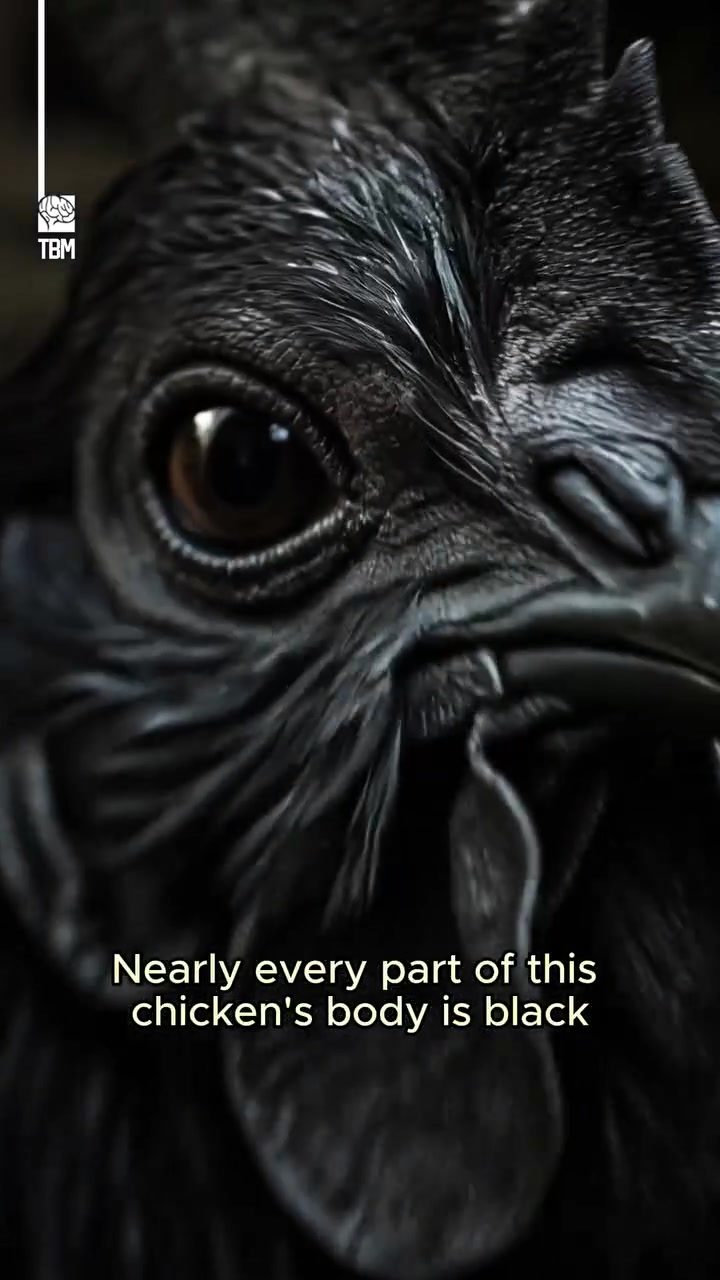
The Ayam Cemani chicken is a stunning example of nature's mysteries, with nearly every part of its body covered in black pigmentation. This rare breed from Indonesia has captivated the curiosity of poultry enthusiasts and scientists alike, thanks to its unique genetics and striking appearance.
The Ayam Cemani's Unique Appearance
The Ayam Cemani is notable for its entirely black plumage, skin, beak, comb, muscles, and even internal organs. This extensive melanism is due to a genetic condition known as fibromelanosis. Fibromelanosis causes an overabundance of melanin, the pigment responsible for color in feathers, skin, and other tissues. This results in a widespread, dark pigmentation throughout the chicken's body during its development.
While the Ayam Cemani's appearance is striking, it's important to note that the pigmentation does not affect its blood vessels. Despite the dark coloration of the chicken's skin and organs, its blood remains a normal red. This is because blood color is determined by hemoglobin, not melanin, and therefore remains unaffected by the genetic condition.
The Genetics Behind the Blackness
The Ayam Cemani's unique appearance is the result of a dominant genetic trait. This trait, known as fibromelanosis, causes an overproduction of melanin. During the chicken's development, this excess melanin spreads throughout the body, coloring not just the feathers but also the skin, bones, and internal organs. The bones of the Ayam Cemani appear dark gray or black due to this extensive pigmentation.
This genetic trait is highly unusual and has made the Ayam Cemani a subject of interest for geneticists studying melanism in poultry.
The Ayam Cemani's Rarity and Value
The Ayam Cemani is extremely rare, particularly outside of its native Indonesia. This rarity, combined with its unique genetics, makes it a highly sought-after breed. Purebred Ayam Cemani chickens can command prices in the thousands of dollars, reflecting their value as both pets and subjects of genetic research.
The breed's rarity is due in part to the challenges of breeding pure Ayam Cemani chickens. The genetic trait that causes their unique appearance can sometimes lead to health issues if not carefully managed. As a result, breeding programs must be meticulously controlled to maintain the health and purity of the bloodline.
The Ayam Cemani's value extends beyond its rarity. The chicken's unique genetics offer insights into the mechanisms of melanism and pigmentation in poultry. For researchers, the Ayam Cemani provides a living laboratory for studying how genetic traits can affect the entire body, from feathers to internal organs.
The Cultural Significance of the Ayam Cemani
In Indonesia, the Ayam Cemani holds a special place in local culture. Traditionally, these chickens were often used in religious ceremonies and were considered sacred. Their dark coloration was believed to ward off evil spirits and protect the community. Today, the Ayam Cemani continues to be a symbol of Indonesian heritage, cherished for its unique appearance and cultural significance.
Ayam Cemani vs. Other Black Chickens
While the Ayam Cemani is the most well-known black chicken, it is not the only breed with black plumage. Other breeds, such as the Black-Coated, Black-Breasted Red Wyandotte, and Black Australorp, also have black feathers. However, these breeds do not exhibit the same level of melanism as the Ayam Cemani, and their internal organs and bones are not affected by the condition.
These other breeds are more common and are often raised for their meat or eggs. The Ayam Cemani, on the other hand, is primarily valued for its uniqueness and genetic rarity.
Practical Tips for Owning an Ayam Cemani
If you're considering owning an Ayam Cemani, there are a few practical tips to keep in mind. First, ensure that you have access to a reputable breeder who can provide purebred chickens. Second, be prepared for the challenges of raising a rare breed. The Ayam Cemani requires careful management to maintain its health and well-being.
Additionally, consider the ethical implications of owning such a rare and valuable bird. Be sure to treat your Ayam Cemani with the respect and care it deserves, and be aware of the potential health issues that can arise from its unique genetics. Finally, be prepared for the attention and curiosity that comes with owning such an unusual and striking bird.
Important Takeaways
The Ayam Cemani is a remarkable example of nature's diversity. Its unique appearance, caused by the genetic condition fibromelanosis, makes it a subject of fascination for poultry enthusiasts and scientists alike. The breed's rarity and value are a testament to its unique genetics, and its cultural significance in Indonesia adds to its allure.
From a scientific standpoint, the Ayam Cemani offers valuable insights into the mechanisms of melanism and pigmentation. Its rarity and unique genetics make it a valuable subject for genetic research, and its cultural significance makes it a cherished part of Indonesian heritage.
Conclusion
The Ayam Cemani chicken is more than just a fascinating anomaly. It is a symbol of nature's wonders and the complexities of genetics. For those who appreciate the beauty and mystery of nature, the Ayam Cemani offers a unique glimpse into the world of rare and extraordinary creatures. Whether you're a poultry enthusiast, a geneticist, or simply someone who appreciates the beauty of nature, the Ayam Cemani is a breed that will continue to captivate and inspire.
Watch the Reel
Questions readers ask
What is the Ayam Cemani chicken known for?
The Ayam Cemani chicken is renowned for its striking, all-black appearance. This includes its feathers, skin, beak, comb, muscles, and even its internal organs, making it a unique and captivating breed.
Where does the Ayam Cemani chicken originate from?
The Ayam Cemani chicken is a rare breed originating from Indonesia. It is highly valued for its unique genetic traits and distinctive appearance, which has garnered significant interest from poultry enthusiasts and researchers.
What causes the black coloration in the Ayam Cemani chicken?
The extensive black pigmentation in the Ayam Cemani chicken is due to a genetic condition called fibromelanosis. This condition results in an overabundance of melanin, the pigment responsible for color in feathers, skin, and other tissues, leading to the chicken's all-black appearance.
Are there other types of chickens with black skin and blood?
While the Ayam Cemani is one of the most well-known breeds with nearly all-black pigmentation, there are a few other breeds that also exhibit black skin and blood, such as the Kadaknath from India and the Silkie, although not to the same extent as the Ayam Cemani. These breeds also possess unique pigmentation, but the Ayam Cemani stands out due to its comprehensive melanism.
What is the significance of the Ayam Cemani chicken's genetics?
The genetics of the Ayam Cemani chicken are significant because of the rare condition known as fibromelanosis. This genetic trait causes an overproduction of melanin, resulting in the chicken's striking black coloration. Understanding this genetic condition can provide insights into the broader field of poultry genetics and the mechanisms behind pigmentation in animals.
Can the Ayam Cemani chicken be kept as a pet or for commercial use?
The Ayam Cemani chicken can be kept as a pet due to its unique appearance and relatively calm temperament. However, it is not typically used for commercial purposes such as egg or meat production. These chickens are more commonly sought after by enthusiasts and collectors interested in their distinctive characteristics.
What are the maintenance requirements for an Ayam Cemani chicken?
The Ayam Cemani chicken requires similar care to other poultry breeds, including a balanced diet, clean living conditions, and protection from predators. They are generally hardy and adaptable, but as with any bird, it is essential to provide proper housing, regular health checks, and a stress-free environment to ensure their well-being.
Recent articles
Fresh deep dives from the latest Reels we unpacked.




Comments
Be the first to comment.