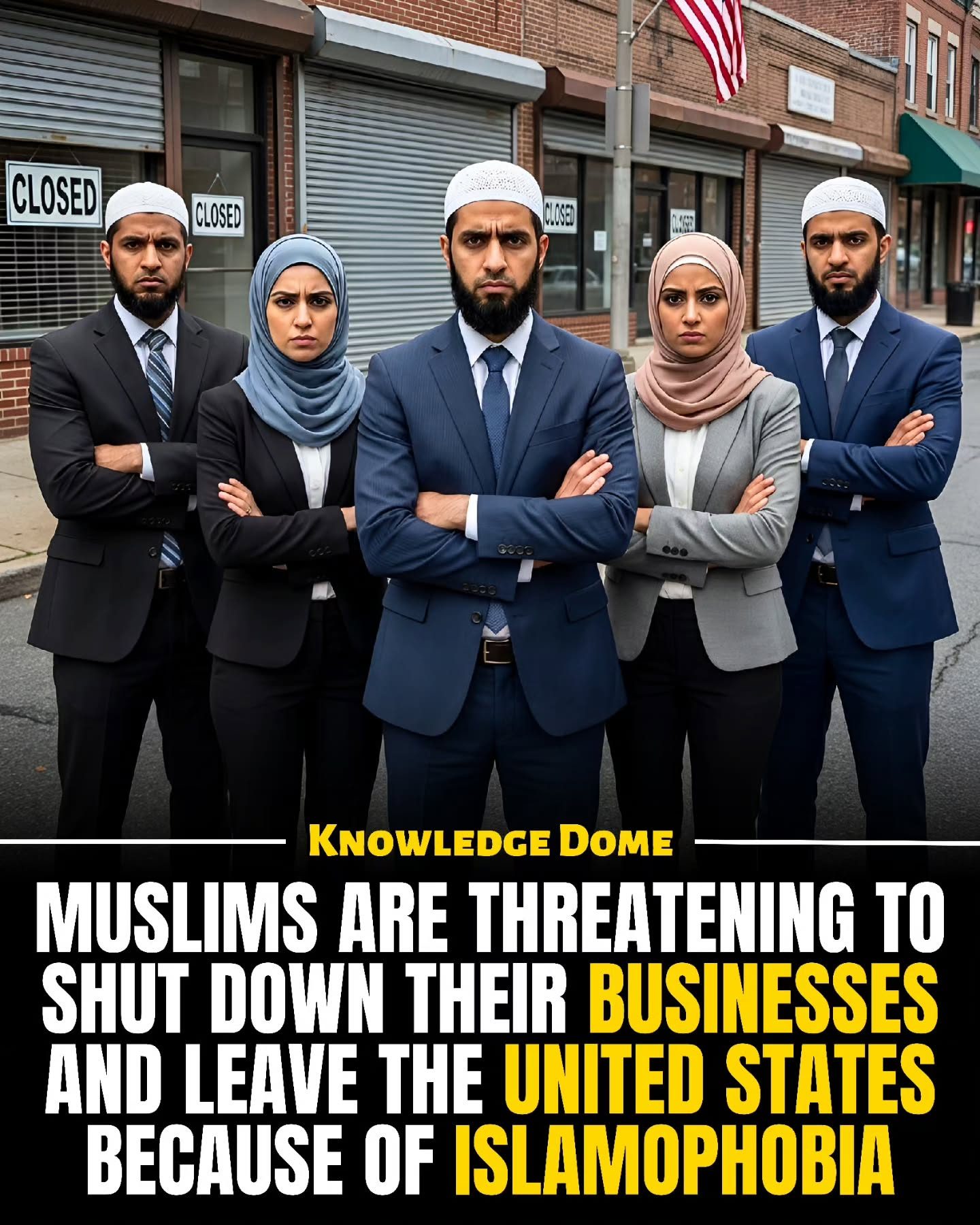
Muslim Business Owners in the United States: Addressing Islamophobia and Business Concerns
Muslim business owners across the United States are increasingly voicing their worries about rising Islamophobia and anti-Muslim discrimination. These concerns encompass fears for their personal safety, the well-being of their families, and the future viability of their businesses. Many owners report facing harassment, hateful comments, vandalism, and general hostility.
While these worries are real and present, it’s important to clarify that there is no evidence of a coordinated nationwide movement among Muslims to shutter their businesses or leave the country. Such claims often stem from individual opinions and discussions circulating on social media, rather than from any organized action.
This situation is monitored closely by civil rights organizations, including the Council on American-Islamic Relations (CAIR). These groups document and report on anti-Muslim incidents, noting a rise in hate crimes and discrimination during periods of international conflict, heightened political debates, or discussions around immigration.
Why Addressing Islamophobia Matters
Muslim Americans play a crucial role in the U.S. economy. They own thousands of businesses across various sectors, including technology, healthcare, retail, transportation, and the restaurant industry. These businesses contribute significantly to local economies and communities. Given their economic impact, it’s essential to address the challenges they face due to Islamophobia.
Understand the Context
Islamophobia refers to prejudice, discrimination, or hatred directed toward Muslims. This can manifest in various ways, from verbal abuse to physical attacks and property damage. For business owners, the impacts can be devastating, affecting not just their personal well-being but also their livelihoods and the communities they serve.
The Role of Social Media
Social media platforms have become a significant source of information and misinformation. Claims about Muslims threatening to shut down businesses or leave the country can spread rapidly, often without sufficient context or verification. This misinformation can exacerbate tensions and create an atmosphere of fear and mistrust.
The Impact on Businesses
For Muslim-owned businesses, the effects of Islamophobia can be multifaceted. Owners may experience:
- Decreased Sales: Fear of discrimination can deter customers, leading to a drop in revenue.
- Increased Security Costs: Businesses may need to invest in additional security measures to protect against threats.
- Employee Morale: Employees may feel unsafe or unsupported, affecting their productivity and job satisfaction.
- Legal and Administrative Burdens: Dealing with hate crimes and discrimination can involve legal and administrative challenges, adding to the stress and financial burden.
Key Industries Affected
Technology and Health Care
Muslim-owned tech companies and healthcare providers are integral to the nation's tech and health sectors. They offer services and products that enhance the quality of life for many Americans. Discrimination and harassment can disrupt their operations, affecting not just their businesses but also the broader community that relies on their services.
Retail and Transportation
In the retail and transportation sectors, Muslim-owned businesses often serve diverse communities. These businesses contribute to local economies and provide essential services. However, they are also vulnerable to the impacts of Islamophobia, which can lead to financial instability and community disintegration.
Practical Tips for Supporting Muslim-Owned Businesses
Raise Awareness
Promote awareness about the challenges faced by Muslim-owned businesses. Use social media and other channels to share their stories and experiences. This helps to humanize their struggles and fosters empathy and understanding.
Support Local Businesses
Patronize Muslim-owned businesses in your community. Your support can make a significant difference in their financial stability and community presence.
Report Incidents
If you witness an incident of discrimination or harassment, report it to local authorities and relevant civil rights organizations. Documenting these incidents helps to create a comprehensive record of the challenges faced by the community.
Important Takeaways
Individual Experiences Matter
The concerns and fears of individual Muslim business owners are valid and should be taken seriously. They reflect the broader challenges faced by the community and highlight the need for support and action.
No Organized Exodus
Claims of a coordinated nationwide exodus or business shutdown are unfounded. Most Muslim-owned businesses continue to operate, serving their communities and contributing to the economy.
Civil Rights Support
Civil rights organizations play a crucial role in documenting and addressing anti-Muslim incidents. Supporting these organizations can help in the broader fight against discrimination and hate.
Conclusion
Muslim business owners in the United States face significant challenges due to Islamophobia and anti-Muslim discrimination. Their concerns about safety, family, and business viability are real and impactful. While misinformation and fear can spread rapidly, it’s essential to support these businesses and the broader community. Raising awareness, patronizing local businesses, and reporting incidents are practical steps that can make a difference. By understanding the context, supporting those affected, and documenting incidents, we can work towards a more inclusive and supportive environment for all.
Watch the Reel
Questions readers ask
What are some common challenges Muslim business owners face due to Islamophobia?
Muslim business owners in the United States frequently encounter harassment, hateful comments, vandalism, and general hostility. These issues can impact their personal safety, their families' well-being, and the future of their businesses. Additionally, they may face economic discrimination, which can hinder their business growth and success.
How does Islamophobia affect the local economies where Muslim-owned businesses operate?
Muslim-owned businesses contribute significantly to local economies across various sectors. When these businesses face discrimination and harassment, it can lead to decreased economic activity, reduced job opportunities, and a negative impact on the overall economic health of the community.
Are there any organized efforts by Muslims to close their businesses or leave the country due to Islamophobia?
No, there is no evidence of a coordinated nationwide movement among Muslims to close their businesses or leave the country. Such claims often stem from individual opinions and discussions circulating on social media, rather than from any organized action.
What can non-Muslim business owners do to support their Muslim counterparts?
Non-Muslim business owners can support their Muslim counterparts by fostering an inclusive environment, speaking out against discrimination, and promoting diversity and inclusion in their own businesses and communities. Building strong, supportive relationships can help mitigate the negative effects of Islamophobia.
How does Islamophobia manifest in the workplace for Muslim entrepreneurs?
Islamophobia in the workplace can manifest in various ways, including discriminatory hiring practices, unequal treatment, and a hostile work environment. Muslim entrepreneurs may also face bias from customers, suppliers, and other stakeholders, which can impact their business operations and growth.
What steps can be taken to create a safer environment for Muslim business owners?
Creating a safer environment for Muslim business owners involves promoting awareness and understanding of Islam and Muslims, implementing strong anti-discrimination policies, and encouraging reporting of hate crimes and incidents. Community support and solidarity can also play a significant role in providing a sense of security and belonging.
Recent articles
Fresh deep dives from the latest Reels we unpacked.




Comments
Be the first to comment.