Muscle Spindles: The Hidden Sensors Behind Your Smooth Movements
Muscle spindles are tiny, essential sensors embedded within your muscles that play a crucial role in your body's movement and stability. These spindles monitor muscle stretch and relay rapid signals to your brain and spinal cord, enabling smooth, stable, and precise movements. Without them, everyday actions like standing, walking, or maintaining balance would be challenging.
Why This Matters
Muscle spindles are integral to your body's proprioceptive system, which provides feedback about the position and movement of your limbs. This system is vital for maintaining balance, coordinating movements, and ensuring that your actions are fluid and controlled. Understanding how muscle spindles work can offer insights into how your body functions and why certain movements feel smooth and stable.
The Role of Muscle Spindles
Muscle spindles are located deep within your muscle tissue, nestled between muscle fibers. They detect changes in muscle length and send signals to your brain and spinal cord through nerve pathways. This continuous flow of information allows your body to react instantly to changes, often before conscious thought.
How They Work
Every time you move, your muscle spindles are actively monitoring the stretch in your muscles. If a muscle stretches too far or too quickly, the spindles send a rapid signal to your spinal cord and brain. This signal triggers an immediate response, helping your body adjust and maintain stability. This process is what allows your movements to feel smooth and controlled.
For example, when you stand up, your muscle spindles in your leg muscles detect the lengthening of those muscles. They promptly send signals to your brain, which then sends commands back to your muscles to contract and stabilize your posture. This rapid feedback loop ensures that you can stand upright without wobbling or falling.
The Importance of Proprioception
The ability to know where your body is in space, even with your eyes closed, is known as proprioception. Muscle spindles are key players in this sensory process. They provide constant updates to your brain about the position and movement of your limbs, which is essential for coordinating complex movements and maintaining balance.
If muscle spindles were not functioning properly, simple tasks like reaching for an object or walking would become slow and unstable. Your body would struggle to know where your limbs are in relation to your body, making even basic movements challenging.
The 3D Animation
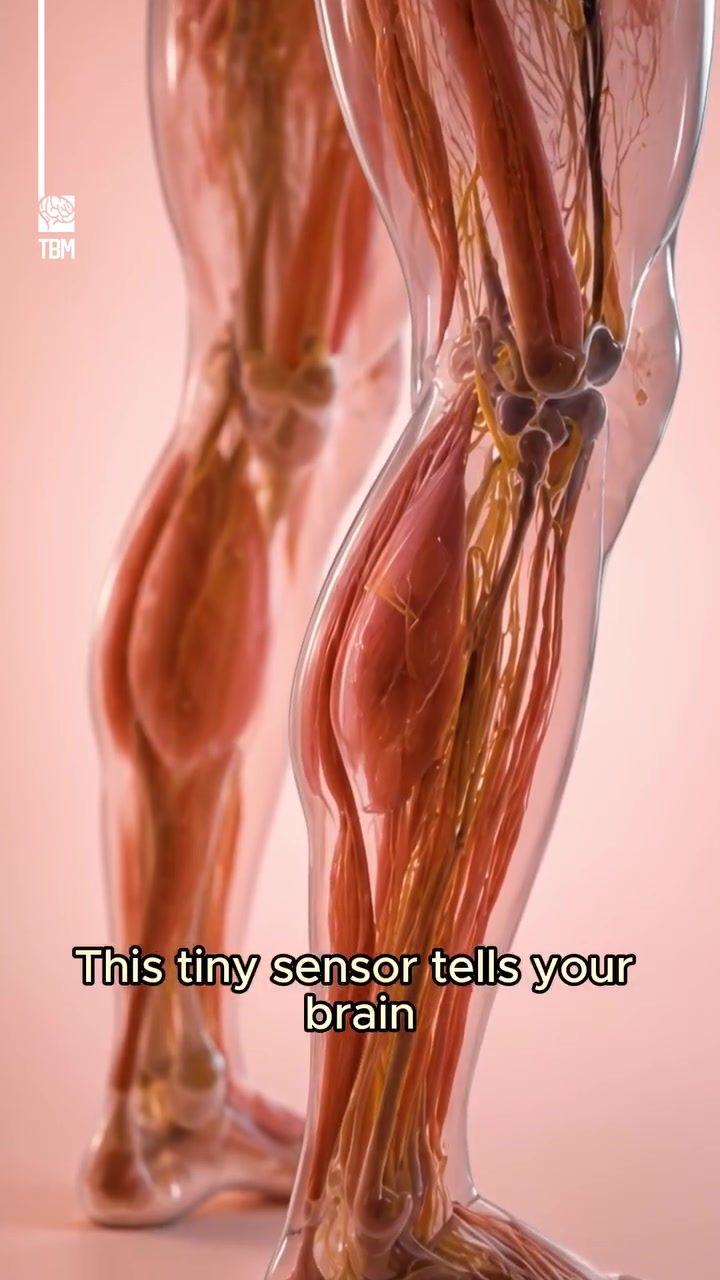
A 3D animation of the human leg and its muscles illustrates how muscle spindles operate. This visual representation shows the intricacies of the muscle structure and the role of the spindles in maintaining smooth movements. When a muscle spindle detects a change in muscle length, it sends a signal to the brain, which then adjusts the muscle tension to keep movements controlled and stable.
Visualizing Muscle Spindles
The animation highlights a muscle spindle as a tiny sensor located between muscle fibers. By visualizing this process, it becomes clear how rapid and precise the feedback loop between muscle spindles, the spinal cord, and the brain is. This visualization helps in understanding how muscle spindles contribute to the seamless coordination of body movements.
Practical Tips
While muscle spindles operate automatically, there are a few practical tips to ensure they function optimally:
Regular Exercise
Engaging in regular physical activities that involve a range of motion, such as yoga or Pilates, can help keep your muscle spindles active and responsive. These exercises stimulate the proprioceptive system, enhancing your body awareness and stability.
Strength Training
Incorporating strength training into your routine helps maintain muscle mass and tone, which can improve the sensitivity of muscle spindles. Stronger muscles can better respond to the signals from the spindles, leading to more controlled and balanced movements.
Balance Exercises
Practicing balance exercises, such as single-leg standing or using a balance board, can enhance your proprioception and muscle spindle function. These exercises challenge your body to respond quickly to changes in muscle length, improving overall stability and coordination.
Proper Warm-Ups
Warming up before physical activities prepares your muscles and proprioceptive system for movement. This includes gentle movements and stretches that activate the muscle spindles, ensuring they are ready to respond to the demands of the activity.
Important Takeaways
Muscle spindles are instrumental in maintaining smooth, stable, and precise movements. They provide continuous feedback to your brain, helping coordinate complex movements and maintain balance. Regular physical activities, strength training, and balance exercises can enhance the function of muscle spindles, ensuring optimal body awareness and stability.
Conclusion
Muscle spindles are hidden deep within your muscles, working tirelessly to monitor muscle stretch and send rapid signals to your brain. This process is crucial for coordinated movements, balance, and body awareness. By understanding and supporting the function of muscle spindles, you can improve your overall physical performance and stability.
Watch the Reel
Questions readers ask
What are muscle spindles and where are they located?
Muscle spindles are small, sensory organs found within your skeletal muscles. They are embedded among the muscle fibers and are designed to detect changes in muscle length, or stretch. This allows them to monitor and relay crucial information to your brain and spinal cord.
How do muscle spindles contribute to balance control?
Muscle spindles play a vital role in balance by providing real-time feedback to your nervous system about the position and movement of your limbs. They help maintain stability and prevent falls by relaying signals to your brain and spinal cord, which then trigger muscle contractions to adjust your body's position as needed.
What happens if muscle spindles are damaged or impaired?
Damage or impairment to muscle spindles can lead to proprioceptive deficits, making it difficult to coordinate movements and maintain balance. This can result in clumsiness, frequent trips, or falls, and may also affect fine motor skills, such as writing or manipulating small objects.
Can muscle spindles be trained or improved?
While you cannot directly train muscle spindles, you can enhance your proprioception and overall muscle control through various exercises and activities. Balance exercises, yoga, and sports that require precise movements can help improve your body's awareness and responsiveness, which indirectly benefits your muscle spindles.
How do muscle spindles differ from other muscle sensors?
Muscle spindles are unique because they are specifically tuned to detect changes in muscle length. Unlike other muscle sensors, such as Golgi tendon organs, which respond to changes in muscle tension, muscle spindles are primarily concerned with monitoring and relaying signals about muscle stretch and position.
Recent articles
Fresh deep dives from the latest Reels we unpacked.




Comments
Be the first to comment.