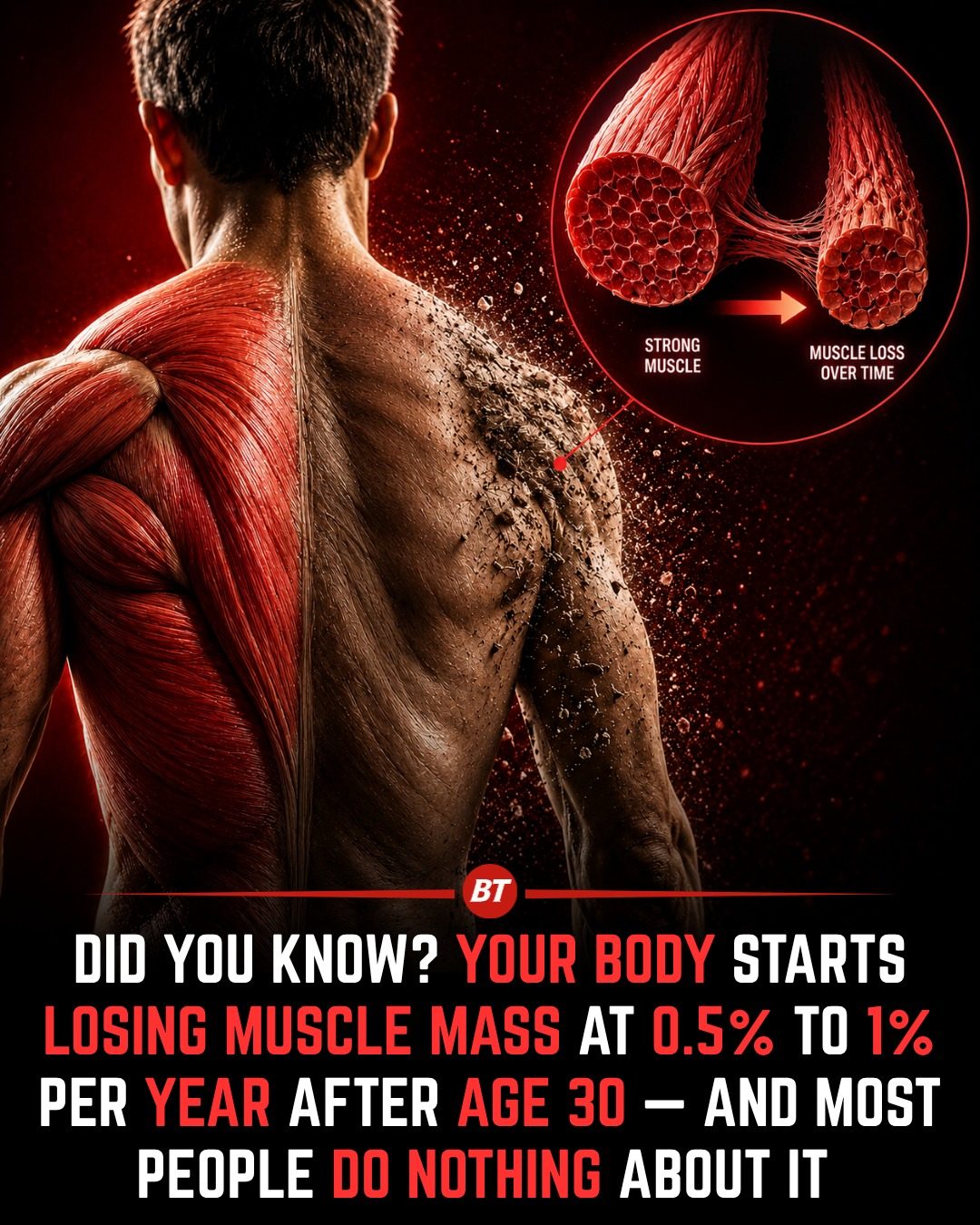
Muscle Loss with Age
Age-related muscle loss is a natural process that begins earlier than many people realize. Starting around the age of 30, adults lose approximately 0.5–1% of their muscle mass each year. After age 60, this rate of muscle loss often accelerates, increasing the risk of weakness, poor balance, falls, and loss of independence. This condition is known as sarcopenia. Understanding muscle loss and its implications is crucial for maintaining overall health and well-being.
Why This Matters
Muscle loss isn't just about strength and appearance; it affects your body's metabolic functions. Skeletal muscle is one of your body's most important metabolic organs. It helps regulate blood sugar, stores glucose, supports healthy bones, and releases beneficial signaling molecules called myokines. These myokines influence various bodily systems, including the brain, heart, and immune system. As muscle mass declines, so can strength, mobility, insulin sensitivity, and overall health. This decline can lead to a range of health issues, including metabolic disorders, cognitive decline, and reduced lifespan.
Main Discussion
The Mechanisms Behind Muscle Loss
Several factors contribute to age-related muscle loss. One primary factor is a decrease in physical activity. As people age, they tend to move less, leading to muscle atrophy. Additionally, hormonal changes, such as decreased testosterone and growth hormone levels, play a significant role. Nutritional deficiencies, particularly in protein intake, can also accelerate muscle loss. Lastly, the body's reduced ability to repair and rebuild muscle tissue contributes to the decline.
The Impact on Health and Mobility
The loss of muscle mass has far-reaching effects on health and mobility. Reduced muscle strength can lead to weakness and poor balance, increasing the risk of falls and injury, especially in older adults. Falls are a leading cause of hospitalization and loss of independence among the elderly. Beyond mobility issues, muscle loss affects metabolic health. Poor muscle mass is linked to increased insulin resistance, which can lead to type 2 diabetes and other metabolic disorders.
Metabolic and Systemic Effects
Research published in journals such as the Journal of Cachexia, Sarcopenia and Muscle has shown that preserving muscle mass is associated with better cognitive function, fewer falls, improved metabolic health, and a longer lifespan. Muscle tissue is actively involved in regulating blood sugar levels and releasing beneficial molecules that support the brain, heart, and immune system. As muscle declines, so does the body's ability to perform these crucial functions.
Delving into Sarcopenia
Sarcopenia is a progressive and generalized loss of skeletal muscle mass, strength, and function. It is often accompanied by a decrease in physical performance and an increased risk of adverse outcomes, such as falls, fractures, and loss of independence. Understanding sarcopenia is essential for developing effective strategies to combat muscle loss.
The Role of Exercise
Physical activity, particularly strength training, is one of the most effective ways to combat age-related muscle loss. Regular resistance training can increase muscle mass and strength, improving overall health and mobility. For most adults, aiming for 2–3 strength-training sessions each week is a good starting point. However, any form of physical activity, including walking, cycling, or dancing, can contribute to maintaining muscle health.
Nutritional Considerations
Protein intake is crucial for maintaining muscle mass. As people age, their bodies become less efficient at utilizing protein, making it essential to consume adequate amounts. Most adults need around 20–30 grams of high-quality protein per meal. Good sources of protein include lean meats, fish, eggs, dairy, legumes, and plant-based proteins like tofu and tempeh.
The Benefits of Staying Active
Staying physically active every day is key to fighting muscle loss. Regular exercise not only builds muscle but also improves cardiovascular health, bone density, and overall fitness. Incorporating a variety of activities into your daily routine can make exercise more enjoyable and sustainable. This might include walking the dog, taking the stairs instead of the elevator, or engaging in sports and hobbies that you enjoy.
Practical Tips
Here are some practical tips to help you fight muscle loss:
-
Strength Training: Incorporate strength-training exercises into your routine. Focus on compound movements like squats, deadlifts, lunges, and push-ups, which engage multiple muscle groups. Aim for 2–3 sessions per week, but even one session can make a difference.
-
Protein Intake: Ensure you're consuming enough high-quality protein. Spread your protein intake evenly throughout the day, aiming for 20–30 grams per meal. Good protein sources include lean meats, fish, eggs, dairy, legumes, and plant-based proteins.
-
Stay Active: Engage in physical activities every day, even if it's just a short walk or a few minutes of stretching. Building an active lifestyle can significantly reduce muscle loss over time.
-
Consult a Professional: If you're new to strength training or have specific health concerns, consider consulting a fitness professional or a healthcare provider. They can help you design a safe and effective exercise plan tailored to your needs.
Important Takeaways
Muscle loss is a natural part of aging, but it's not inevitable. By understanding the mechanisms behind muscle decline and taking proactive steps, you can significantly slow down or even reverse the process. Regular strength training, adequate protein intake, and staying physically active every day are key strategies for maintaining muscle mass and overall health.
Conclusion
Age-related muscle loss is a widespread issue, but it's one that can be effectively managed with the right approach. Maintaining muscle mass is not just about staying strong and mobile; it's about supporting your body's metabolic functions and overall health. By incorporating strength training, eating a protein-rich diet, and staying active, you can combat muscle loss and enjoy a healthier, more independent life as you age.
Watch the Reel
Questions readers ask
Why does muscle loss increase after 60?
After 60, the rate of muscle loss often accelerates due to hormonal changes, decreased physical activity, and a decline in protein synthesis. This accelerated loss increases the risk of weakness, poor balance, and falls.
How does muscle loss affect metabolism?
Muscle is a crucial metabolic organ. It helps regulate blood sugar, stores glucose, and releases beneficial signaling molecules. Muscle loss can lead to decreased metabolic rate and increased risk of metabolic disorders.
What is sarcopenia and how can it be prevented?
Sarcopenia is the age-related loss of muscle mass, strength, and function. It can be prevented through regular resistance training, adequate protein intake, and maintaining a healthy lifestyle. Regular exercise, especially weight-bearing and resistance exercises, can help combat sarcopenia.
What are the implications of muscle loss for women over 30?
Women over 30 experience muscle loss at a similar rate to men, but factors like menopause can accelerate this process. This can lead to weakened strength, reduced mobility, and an increased risk of falls. Regular strength training can help mitigate these effects.
What kind of exercises are best for preventing muscle loss in adults over 30?
Resistance training, including weight lifting, bodyweight exercises, and high-intensity interval training, is most effective. These exercises challenge the muscles, promoting growth and maintenance. Aim for at least two sessions per week, focusing on all major muscle groups.
How does diet affect muscle loss and maintenance after 30?
A balanced diet rich in protein is crucial for muscle maintenance. Protein provides the necessary amino acids for muscle repair and growth. Ensure you consume a variety of protein sources, including lean meats, fish, eggs, and plant-based options.
Related deep dives
Similar reads based on topic and creator.



Recent articles
Fresh deep dives from the latest Reels we unpacked.




Comments
Be the first to comment.