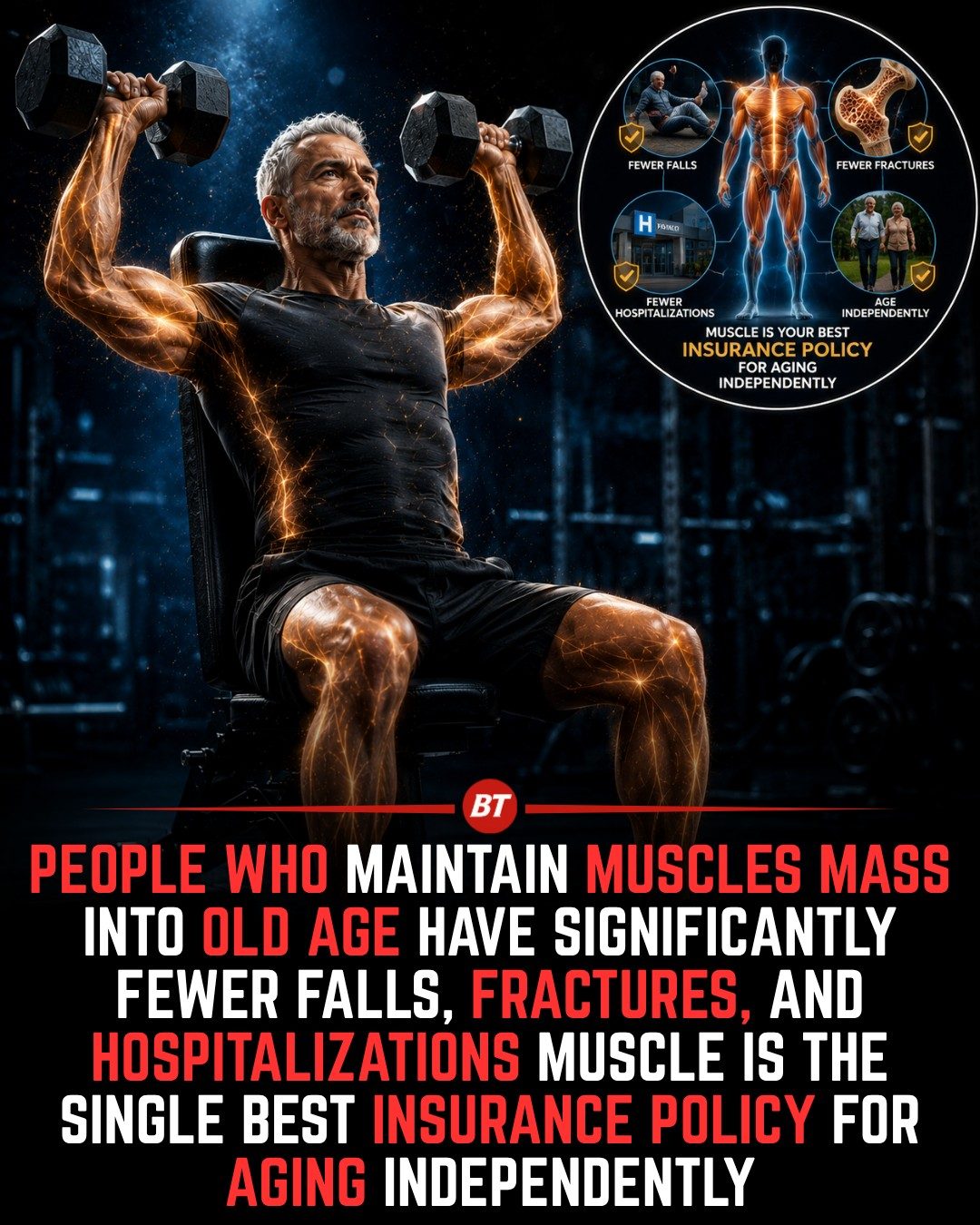
Muscle Health and Aging
As we age, maintaining muscle mass becomes increasingly important for more than just strength. Muscle health plays a crucial role in protecting against falls, fractures, and the loss of independence. This is why investing in muscle health is one of the most important steps towards healthy aging.
Why This Matters
Beginning around the age of 30, adults naturally start losing muscle mass. This process, known as sarcopenia, accelerates after the age of 60 and significantly impacts balance, mobility, and the ability to perform everyday tasks. Weaker muscles make falls more likely, which can lead to serious fractures and lengthy hospital stays. Understanding and mitigating the effects of sarcopenia can greatly improve quality of life and longevity.
Maintaining Muscle Mass
The Benefits of Strong Muscles
Maintaining strong muscles offers numerous benefits, including:
- Reduced Falls: Strong muscles improve balance and stability, making falls less likely.
- Lower Risk of Fractures: Stronger muscles can better protect bones in the event of a fall.
- Fewer Hospitalizations: By reducing the risk of serious injuries, stronger muscles can help minimize hospital stays.
- Increased Independence: Muscle strength is essential for performing daily tasks and maintaining independence.
Facts and Figures
Research published in the Journal of Cachexia, Sarcopenia and Muscle and the Journal of the American Medical Directors Association has shown that older adults with greater muscle mass and strength experience fewer falls, fewer fractures, and lower hospitalization rates. Additionally, muscle strength is a reliable indicator of overall health and resilience in older adults.
Practical Tips for Building and Preserving Muscle
Exercise Regularly
Regular resistance training is key to building and preserving muscle mass. Aim for 2-3 resistance-training sessions each week. Incorporate a variety of exercises, including:
- Bodyweight Squats: These can be done anywhere and help strengthen the legs and core.
- Resistance Bands: These are portable and versatile, making them perfect for home workouts.
- Carrying Groceries: Even simple tasks like carrying groceries can help maintain muscle strength.
Adequate Protein Intake
Protein is essential for muscle repair and growth. Include a quality source of protein in every meal. Good sources of protein include lean meats, fish, eggs, dairy, legumes, and plant-based protein powders.
Stay Physically Active
In addition to structured exercise, staying physically active throughout the day can help maintain muscle mass. Aim for at least 30 minutes of moderate-intensity activity most days of the week.
Important Takeaways
- Muscle mass is crucial for protecting against falls, fractures, and the loss of independence as we age.
- Regular resistance training and adequate protein intake can slow or even reverse age-related muscle loss.
- Maintaining strong muscles helps older adults stay active, confident, and independent.
Conclusion
Muscle health is a vital component of healthy aging. By understanding the importance of muscle mass and taking proactive steps to maintain it, older adults can protect themselves from falls, fractures, and hospitalizations. Regular exercise, a balanced diet, and staying physically active are key strategies for preserving muscle strength and ensuring a higher quality of life in later years.
Watch the Reel
Questions readers ask
How does muscle strength impact fall risk in elderly adults?
Muscle strength plays a key role in maintaining balance and stability, both of which are crucial for preventing falls. Stronger muscles enable quicker reflexes and better control of movement, reducing the likelihood of slips or trips leading to falls. Even a modest improvement in muscle strength can significantly lower fall risk in aging adults.
What is sarcopenia and how does it affect aging adults?
Sarcopenia is the natural loss of muscle mass and strength that begins around age 30 and accelerates after 60. This condition can impair balance, mobility, and the ability to perform daily activities, making falls more likely. Understanding and addressing sarcopenia through regular exercise and proper nutrition can mitigate these effects and promote healthy aging.
Which exercises are most effective for fall prevention in seniors?
Exercises that focus on improving muscle strength, balance, and flexibility are most effective for fall prevention. Resistance training, such as weightlifting or bodyweight exercises, helps build and maintain muscle mass. Additionally, balance-focused exercises like Tai Chi or yoga can enhance stability and coordination, reducing the risk of falls.
Can maintaining muscle health really reduce hospital stays for aging adults?
Yes, maintaining muscle health can significantly reduce hospital stays. Stronger muscles help prevent falls and fractures, which are common causes of hospitalization in older adults. By minimizing fall risk, seniors can avoid serious injuries and lengthy recoveries, leading to fewer hospitalizations and better overall health.
What role does maintaining muscle health play in preserving independence for aging adults?
Maintaining muscle health is vital for preserving independence in aging adults. Strong muscles enable seniors to perform daily tasks, such as walking, standing, and climbing stairs, with greater ease and confidence. By reducing fall risk and improving overall mobility, strong muscles help seniors maintain their independence and continue living active, fulfilling lives.
How can seniors begin incorporating strength training into their routines?
Seniors should start with low-impact exercises and gradually increase intensity. Consulting with a healthcare provider or a certified personal trainer can help determine the appropriate starting point. Simple bodyweight exercises, such as chair squats or wall push-ups, are excellent for beginners. As strength improves, seniors can progress to resistance bands or light weights, always ensuring proper form to avoid injury.
Related deep dives
Similar reads based on topic and creator.




Recent articles
Fresh deep dives from the latest Reels we unpacked.




Comments
Be the first to comment.