Understanding the Difference Between Muscle and Fat
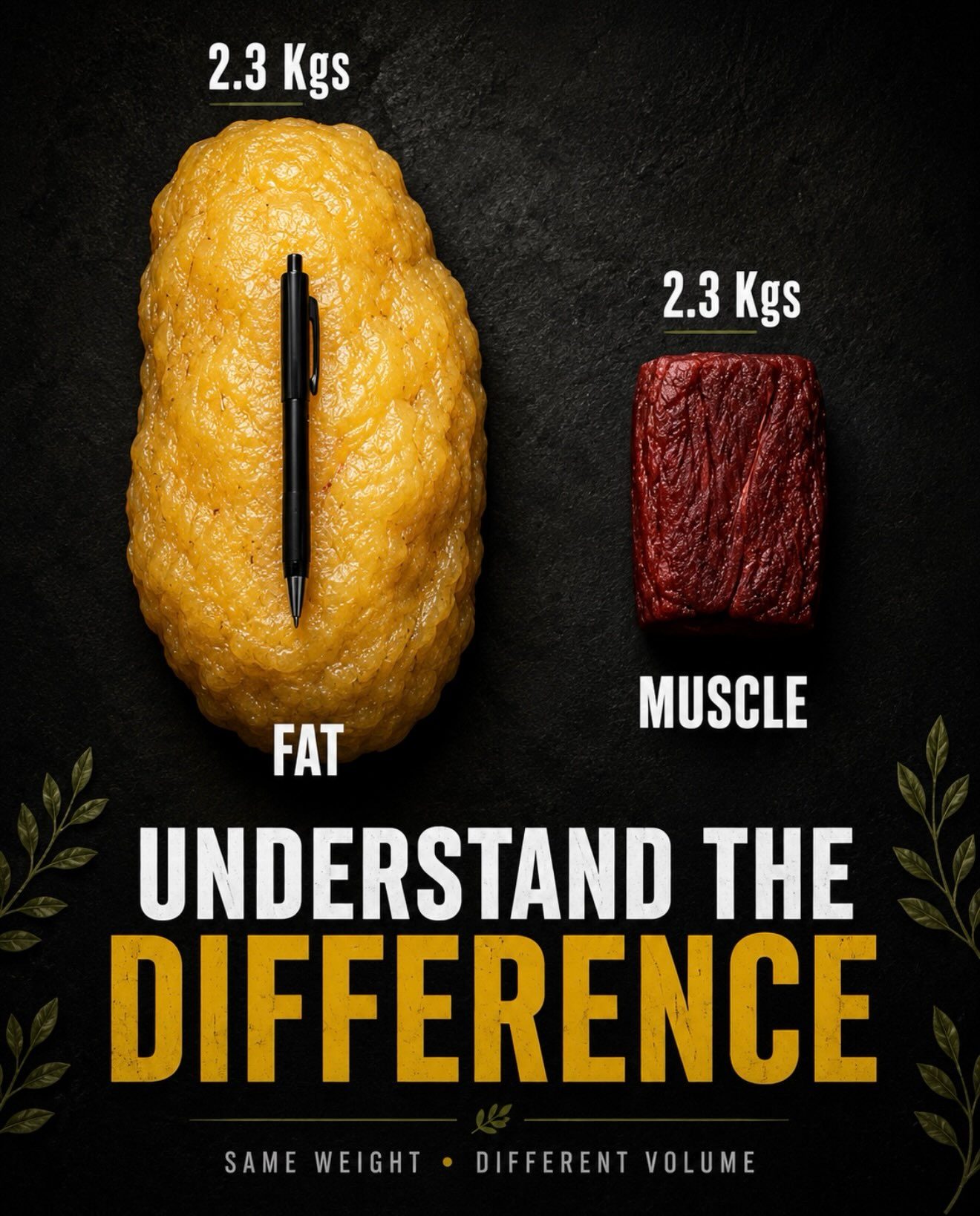
The scale doesn't always tell the whole story when it comes to fitness progress. Muscle and fat can weigh the same but look and function very differently. This is because muscle is denser and takes up less space than fat. A visual comparison of 2.3 kilograms of fat versus 2.3 kilograms of muscle highlights this difference: the fat appears as a large, porous mass, while the muscle is a smaller, denser piece. Understanding this distinction is crucial for setting realistic fitness goals and tracking progress effectively.
Why This Matters
When focusing on fitness and nutrition, relying solely on weight can be misleading. Muscle and fat have different densities and volumes, meaning that even if your weight remains the same, your body composition can change significantly. Muscle is denser and takes up less space, so building muscle can make you stronger and more fit without necessarily changing your weight. On the other hand, losing fat can reduce the volume of your body, even if the scale shows little change.
The Role of Muscle and Fat in the Body
Muscle
Muscle is essential for strength, endurance, and overall fitness. It supports daily activities, improves posture, and boosts metabolism. Building muscle requires a combination of resistance training, good form, progressive overload, and adequate nutrition. Key nutrients for muscle growth and repair include:
- Protein: Vital for muscle repair and growth. Good sources include chicken breast (32g/100g), beef (26g/100g), turkey breast (29g/100g), salmon (23g/100g), and eggs (13g per 2 eggs).
- Carbohydrates: Provide energy for workouts and daily activities. Opt for quality carbohydrates like whole grains, fruits, and vegetables.
- Healthy Fats: Support overall health and help make meals satisfying. Sources include avocado (15g/100g), almonds (50g/100g), and walnuts (65g/100g).
- Hydration and Sleep: Essential for muscle recovery and overall health.
Fat
Fat is a critical component of a healthy diet, providing sustained energy, supporting hormonal health, and aiding in brain function. Healthy fats are found in a variety of foods, including:
- Nuts and Seeds: Almonds (50g/100g), walnuts (65g/100g), chia seeds (31g/100g), and flaxseeds (42g/100g).
- Oils and Butters: Peanut butter (50g/100g), tahini (54g/100g), and avocado oil.
- Dairy and Eggs: Cheese (54g/100g), egg yolks (1974g), and milk (3.4g/100ml).
- Fish: Salmon (13g/100g) and mackerel.
Practical Tips for Building Muscle and Losing Fat
Building Muscle
- Resistance Training: Incorporate strength training exercises to build muscle. Focus on progressive overload, where you gradually increase the weight or resistance over time.
- Proper Form: Maintain good form during exercises to maximize muscle engagement and reduce the risk of injury.
- Adequate Protein: Consume enough protein to support muscle repair and growth. Include protein-rich foods in every meal.
- Quality Carbohydrates: Choose complex carbohydrates for sustained energy during workouts.
- Healthy Fats: Include healthy fats in your diet to support overall health and muscle function.
- Hydration and Sleep: Stay hydrated and get enough sleep to support muscle recovery and growth.
Losing Body Fat
- Calorie Deficit: Create a realistic calorie deficit by consuming fewer calories than your body burns. This helps in losing fat while preserving muscle mass.
- Strength Training: Continue strength training to maintain muscle mass while losing fat. This helps in keeping your metabolism active.
- Protein-Rich Meals: Eat protein-rich meals to support muscle repair and keep you feeling full.
- Fiber-Rich Foods: Choose fiber-rich foods like fruits, vegetables, and whole grains to support digestion and fullness.
- Consistent Movement: Stay active throughout the day, even if it's just light exercise, to maintain a healthy metabolism.
Important Takeaways
- Muscle and Fat Have Different Densities: Muscle is denser and takes up less space than fat, so changes in body composition may not be reflected on the scale.
- Track Progress Beyond Weight: Pay attention to other signs of progress, such as lifting heavier weights, improved endurance, better technique, and changes in how clothes fit.
- Balance Training and Nutrition: Both building muscle and losing fat require a balanced approach to training and nutrition. Prioritize resistance training, good form, progressive overload, and adequate nutrition.
Conclusion
Understanding the difference between muscle and fat is essential for setting realistic fitness goals and tracking progress effectively. By focusing on resistance training, adequate nutrition, and other signs of progress, you can build muscle, lose fat, and improve your overall fitness. Remember, consistency and patience are key to achieving your fitness goals.
Watch the Reel
Questions readers ask
How can I tell if I'm losing fat and gaining muscle if my weight stays the same?
If your weight remains the same but your clothes fit better or you notice increased strength, you're likely losing fat and gaining muscle. Regular measurements, progress photos, and body composition tests can help track these changes, as they provide a more comprehensive view than the scale alone.
Why does muscle take up less space than fat, even if they weigh the same?
Muscle is denser than fat, which means it is more compact and takes up less space in the body. This is why a pound of muscle will occupy significantly less room compared to a pound of fat, making body composition a crucial factor in fitness progress.
What are some healthy ways to support muscle gain and fat loss?
To support muscle gain and fat loss, focus on a high-protein diet, strength training, and regular exercise. Ensure you're in a caloric deficit for fat loss, while consuming enough protein to maintain and build muscle. Stay hydrated and get adequate rest to support overall health and fitness goals.
How can I track my fitness progress more effectively than just using a scale?
To track fitness progress more effectively, use a combination of methods such as progress photos, body measurements, and body composition tests. These tools can help you understand changes in your body's shape and size, rather than just relying on weight alone.
What are the health benefits of having a higher muscle-to-fat ratio?
A higher muscle-to-fat ratio can lead to improved metabolism, enhanced strength, and better overall physical performance. Additionally, it can contribute to better bone health and reduced risk of chronic diseases, as muscle tissue is more metabolically active than fat tissue.
What should I consider when setting realistic fitness goals related to muscle gain and fat loss?
When setting fitness goals, consider your starting point, your lifestyle, and the time you can dedicate to workouts. Be specific about what you want to achieve, such as increasing strength or losing a certain amount of body fat. Remember that progress takes time, and it's important to be patient and consistent with your efforts.
How does understanding the difference between muscle and fat help in fitness?
Understanding the difference between muscle and fat helps you set more accurate fitness goals. Knowing that muscle is denser and takes up less space than fat allows you to focus on body composition changes, rather than just weight loss. This can help you make more informed decisions about your fitness and nutrition plans.
Recent articles
Fresh deep dives from the latest Reels we unpacked.




Comments
Be the first to comment.