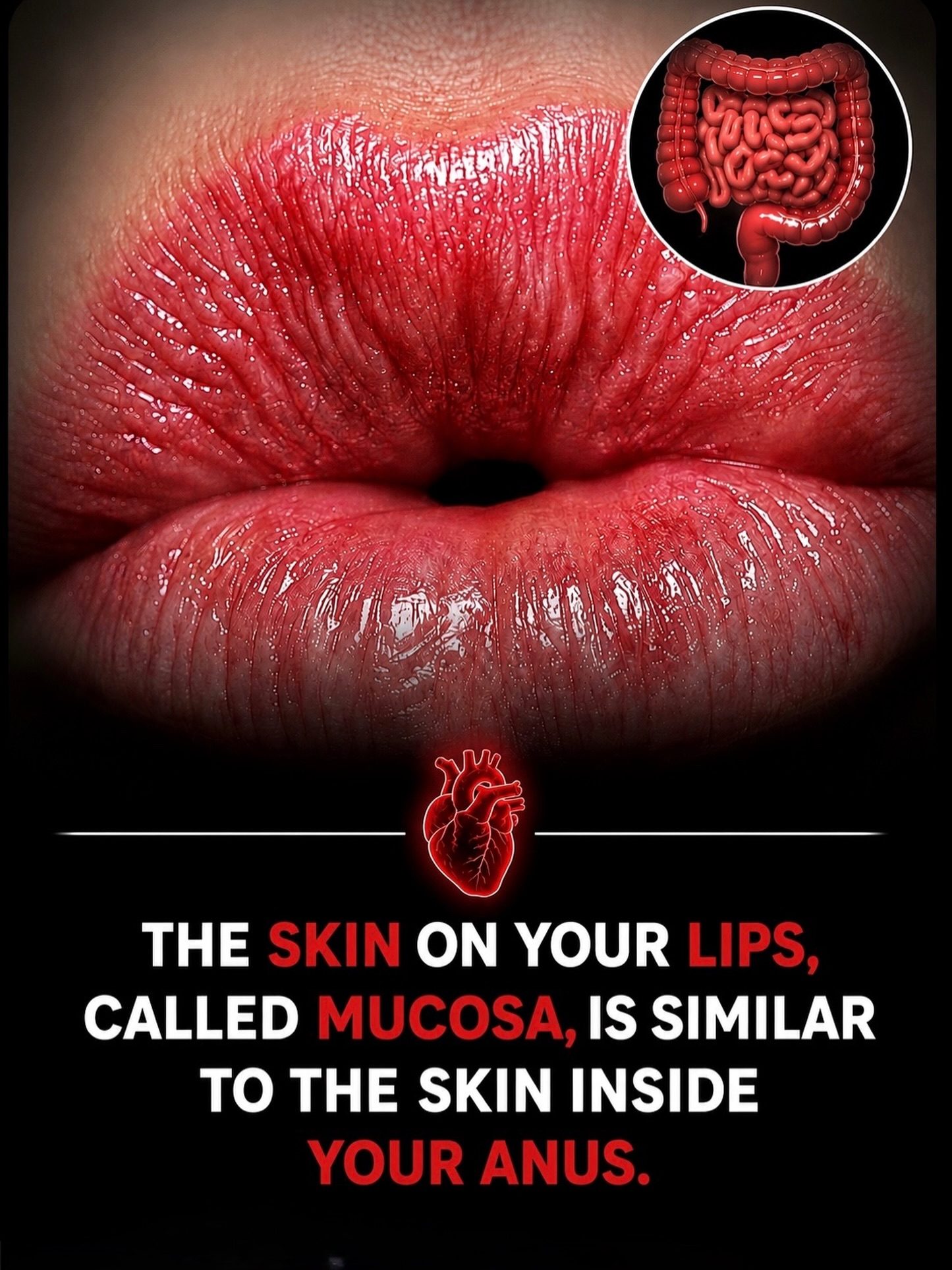
The Surprising Similarity Between Your Lips and Your Digestive Tract
Your lips and your digestive tract might not seem to have much in common, but they actually share some intriguing similarities. At first glance, it might seem odd to compare the delicate skin of your lips with the lining of your digestive tract, but the similarities are quite fascinating.
Context / Why this matters
The lips are a part of the body that often overlooks when thinking about anatomy. Yet, the skin on your lips, known as mucosa, plays a crucial role in both protection and sensory function.
Main discussion
The Mucosa: A Specialized Lining
The pink, soft tissue covering your lips is called mucosa. This is a specialized lining that differs significantly from the typical skin on most of your body. Unlike regular skin, mucosa lacks a thick outer layer of dead cells. This makes it smoother, more sensitive, and better suited for moist environments. The mucosa is found not only on your lips but also lines several other parts of your body, including the mouth, digestive tract, and anal canal.
The Role of Mucosa
While the structures and functions of the mucosa vary by location, they all share a common feature: they are mucous membranes designed for protection, sensation, and secretion. These membranes are essential for maintaining the health and functionality of the areas they cover. The mucosa in your digestive tract, for example, helps to protect the delicate tissues from the harsh environment of digested food, while also aiding in the absorption of nutrients.
The Red Color of Your Lips
Have you ever wondered why your lips appear red? The redness is due to the thinness of the mucosa and its rich supply of blood vessels. This thin layer allows the underlying blood to show through, giving your lips their characteristic color. This vascularity also contributes to the sensitivity of your lips, making them highly responsive to touch and temperature.
Practical tips
Keeping Your Lips Healthy
Given the delicate nature of the mucosa on your lips, it's essential to take good care of them. Here are some practical tips to keep your lips healthy:
- Hydration: Drink plenty of water to keep your body hydrated, which in turn helps maintain the moisture of your lips.
- Moisturize: Use a lip balm with moisturizing ingredients like shea butter or beeswax to keep your lips from drying out.
- Protection: Apply a lip balm with SPF to protect your lips from the sun's harmful rays, especially if you spend a lot of time outdoors.
- Avoid Licking: Licking your lips may provide temporary relief, but it can actually dry them out more in the long run. Stick to using a moisturizing product instead.
Important takeaways
- Mucosa: The skin on your lips, called mucosa, is a specialized lining that is similar to the skin inside your digestive tract and anal canal. It is smoother, more sensitive, and better suited for moist environments.
- Red Color: The red color of your lips is due to the thinness of the mucosa and its rich supply of blood vessels, which allows the underlying blood to show through.
- Care: Taking care of your lips involves staying hydrated, using moisturizing lip balms, protecting them from the sun, and avoiding licking.
Conclusion
The similarity between the skin on your lips and the lining of your digestive tract is a fascinating aspect of human anatomy. Understanding the role of the mucosa and how it functions in different parts of the body can provide valuable insights into both digestive health and the importance of keeping your lips healthy. By taking care of your lips and understanding their unique properties, you can ensure they remain healthy and functional.
Watch the Reel
Questions readers ask
What is the primary function of the mucosa in both the lips and the digestive tract?
The mucosa in both areas serves three main functions: protection, secretion, and sensation. It acts as a barrier against external irritants and pathogens, produces essential secretions like saliva or mucus, and contains numerous nerve endings for heightened sensitivity.
How does the mucosa in the lips differ from that in the digestive tract?
While both share the same basic structure and functions, the mucosa in the lips is more sensitive and has a richer blood supply. This gives lips their characteristic red color and makes them more responsive to touch and temperature. In contrast, the mucosa in the digestive tract is more resilient to the harsh conditions of digestion.
Why is the blood supply important for the health of the mucosa in the lips?
The abundant blood supply in the lip mucosa is crucial for its health as it provides necessary nutrients and oxygen. It also contributes to the lips' distinctive red color and aids in healing and repair. Additionally, it facilitates the sensation of pain, temperature, and texture, which are vital for daily interactions and safety.
How does the mucosa in the lips contribute to overall health and function?
The mucosa in the lips plays a vital role in protecting the body from pathogens and irritants. Its sensitivity allows for precise motor control and enhances the enjoyment of food and drink. Furthermore, it contributes to speech and non-verbal communication through facial expressions.
What are some common issues that can affect the mucosa in the lips?
Issues such as cold sores, cheilitis, and dehydration can affect the mucosa in the lips. These conditions can cause discomfort, swelling, and cracking. Proper hydration, lip balm usage, and avoiding irritants can help maintain the health of the lip mucosa. If problems persist, consulting a healthcare professional is advisable.
Are there any specific care tips for maintaining healthy mucosa in the lips?
To maintain healthy lip mucosa, it is essential to stay hydrated, use lip balm with SPF to protect from sun damage, and avoid licking or biting the lips. Regularly applying moisturizers and maintaining a balanced diet can also support the health and function of the lip mucosa.
What role does the mucosa play in the digestive system?
In the digestive system, the mucosa produces essential secretions like enzymes and mucus, which aid in digestion and protect the lining from stomach acid and digestive enzymes. It also facilitates nutrient absorption and contains immune cells to defend against ingested pathogens. Furthermore, the abundant blood supply in the digestive mucosa helps with nutrient absorption and immune function.
Related deep dives
Similar reads based on topic and creator.




Recent articles
Fresh deep dives from the latest Reels we unpacked.




Comments
Be the first to comment.