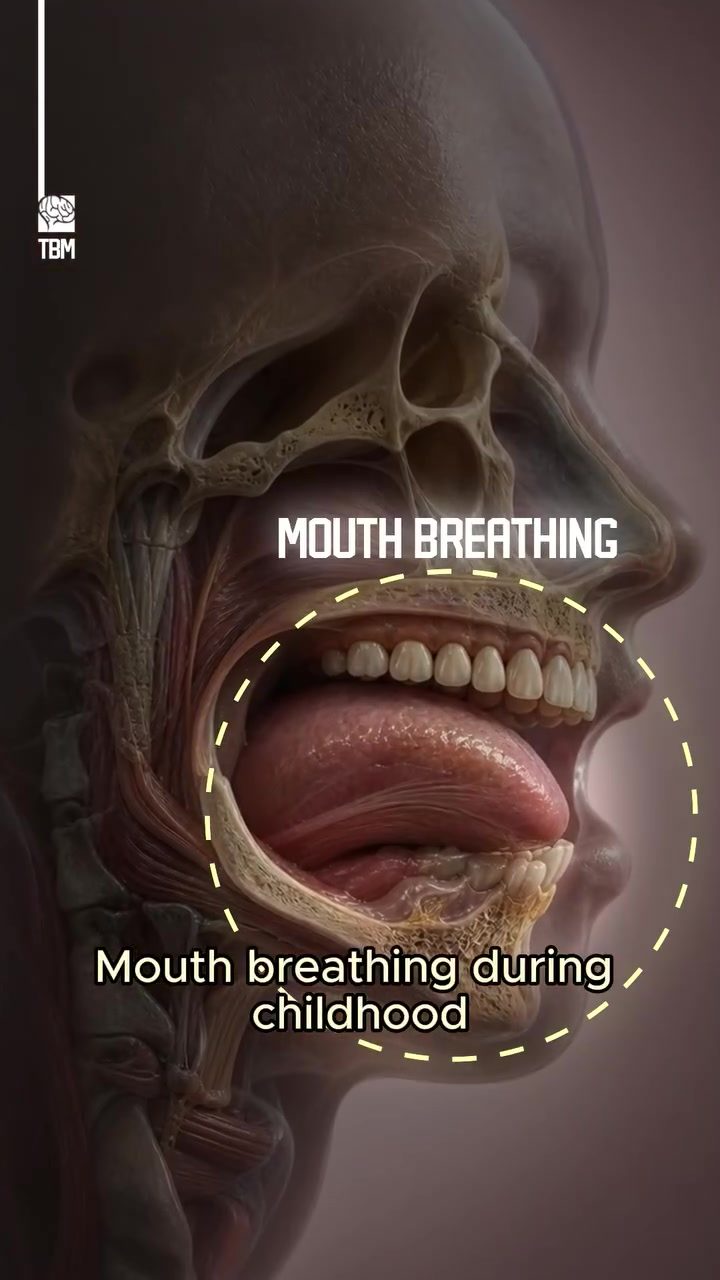
Mouth breathing is a common yet often overlooked habit that can significantly influence the development of a child's jaw and overall facial structure. Understanding this relationship is crucial for both parents and healthcare providers, as early intervention can mitigate potential long-term issues.
Why This Matters
Chronic mouth breathing can alter the way a child's upper jaw develops, leading to a narrower palate, crowded teeth, and various bite problems. This is particularly relevant for parents and caregivers who are concerned about their children's dental health.
How Mouth Breathing Affects Tongue Position
The position of the tongue plays a pivotal role in the development of the upper jaw. When a child breathes primarily through the nose, the tongue naturally rests against the roof of the mouth. This position provides gentle pressure that encourages the upper jaw to grow wider, creating ample space for the teeth to develop properly. This ensures a healthy palate and a straight set of teeth.
Consequences of Chronic Mouth Breathing
When a child chronically breathes through the mouth, the tongue tends to sit lower in the mouth. This altered position means that the tongue does not exert the necessary pressure on the roof of the mouth. As a result, the upper jaw may develop more narrowly, leading to a range of dental issues. These issues can include a high, arched palate, a narrow jaw, crowded teeth, and various types of bite problems. These malocclusions, or improper bites, can negatively impact a child’s ability to speak and chew and may necessitate orthodontic treatment.
The Role of Genetics and Developmental Influences
It's important to note that mouth breathing is not the only factor influencing jaw development. Genetics also play a significant role in determining the shape and size of the jaw. Moreover, other developmental influences can affect how the jaw grows. These additional factors complicate the picture, making it essential to consider a holistic approach when addressing jaw development issues.
Main Discussion
Understanding the Mechanics of Jaw Development
Jaw development is a complex process influenced by numerous factors, including genetics, environmental conditions, and habits. Understanding these mechanics can help identify potential issues early and take appropriate measures.
The Role of the Tongue
The tongue plays a crucial role in shaping the jaw. When a child breathes through the nose, the tongue naturally rests against the roof of the mouth. This position allows the tongue to exert gentle pressure on the developing jaw, promoting its growth and expansion. This natural support system ensures that the upper jaw grows wide enough to accommodate the developing teeth, preventing issues like a narrow palate and crowded teeth.
The Impact of Mouth Breathing
Chronic mouth breathing disrupts this natural process. When a child breathes through the mouth, the tongue is often positioned lower in the mouth. This lower position does not provide the necessary pressure needed for the upper jaw to develop properly. Without this support, the upper jaw may develop more narrowly, leading to a range of dental issues.
The Effects of a Narrow Palate
A narrow palate is one of the most common consequences of chronic mouth breathing. This condition occurs when the upper jaw does not grow wide enough to accommodate the teeth properly. As a result, the teeth may become crowded, overlapping, or misaligned. This not only affects the child's appearance but can also lead to functional issues, such as difficulty chewing and speaking.
Crowded Teeth and Bite Problems
Crowded teeth and bite problems are common outcomes of a narrow palate. When the upper jaw is too narrow, there is insufficient space for the teeth to erupt properly. This can result in misalignment, crowding, and various types of malocclusions, such as an overbite or underbite.
The Role of Genetics
While mouth breathing can significantly impact jaw development, it’s not the sole determinant. Genetics also play a significant role in how the jaw develops. Some individuals may be genetically predisposed to a narrower jaw or a higher palate, regardless of their breathing habits. Understanding this genetic influence is essential for a comprehensive approach to addressing jaw development issues.
Practical Tips
Encouraging Nasal Breathing
Encouraging nasal breathing is a critical step in preventing the adverse effects of mouth breathing on jaw development. Here are some practical tips to foster nasal breathing:
- Identify and Address Allergies: Allergies and sinus issues can cause nasal congestion, leading to mouth breathing. Consulting with a healthcare provider to manage allergies can help promote nasal breathing.
- Use of Nasal Dilators: Nasal dilators can help open the nasal passages, making it easier for a child to breathe through the nose.
- Oral Breathing Habits: Working with a speech therapist or orthodontist can help identify and correct oral breathing habits.
Early Intervention
Early intervention can significantly mitigate the effects of chronic mouth breathing on jaw development. Regular dental check-ups and orthodontic evaluations can help identify potential issues before they become severe. Orthodontic treatments, such as palatal expanders, can help widen the upper jaw and create enough space for the teeth to develop properly.
Important Takeaways
- Mouth breathing can significantly impact jaw development, leading to a narrow palate, crowded teeth, and bite problems.
- The tongue's position is crucial in promoting the healthy development of the upper jaw.
- Genetics and other developmental influences also play a significant role in jaw development.
- Early intervention can help mitigate the adverse effects of mouth breathing on jaw development.
- Encouraging nasal breathing and addressing underlying issues like allergies can promote healthy jaw development.
Conclusion
Understanding the relationship between mouth breathing and jaw development is crucial for ensuring the long-term dental health of children. By promoting nasal breathing, addressing underlying issues, and seeking early intervention, parents and healthcare providers can significantly improve jaw development and overall dental health. Taking a proactive approach can help prevent future complications and ensure a healthier, happier smile.
Watch the Reel
Questions readers ask
How does mouth breathing affect the development of a child's jaw?
Mouth breathing can lead to a narrower upper jaw, also known as a narrow palate, which is often associated with crowded teeth and bite problems. This happens because mouth breathing can alter the natural resting position of the tongue, which is crucial for proper jaw development.
What is the ideal tongue position for healthy jaw development?
The ideal tongue position for healthy jaw development is resting against the roof of the mouth, with the tip of the tongue behind the upper front teeth. This position helps to guide the growth of the upper jaw and palate, promoting a wider and more robust dental arch.
Why is early intervention important for children who mouth breathe?
Early intervention is essential because it can help prevent long-term issues such as crowded teeth, narrow palate, and bite problems. By addressing the issue early, the natural growth and development of the jaw and teeth can be supported, potentially reducing the need for more invasive treatments later in life.
Can mouth breathing lead to genetic issues or are the consequences correctable?
Mouth breathing itself is not a genetic issue, but it can lead to correctable issues with jaw and teeth development. The consequences, such as a narrow palate and crowded teeth, can be mitigated through early intervention and appropriate treatment, including orthodontic appliances, myofunctional therapy, and changes in breathing habits.
How can parents and caregivers help increase jaw width in children who mouth breathe?
Parents and caregivers can help increase jaw width by encouraging nasal breathing, which promotes proper tongue posture. Consultation with a healthcare provider or an orthodontist can provide additional guidance, including the use of orthodontic appliances designed to widen the palate and promote proper dental arch development.
What are some common signs of mouth breathing in children?
Common signs of mouth breathing in children include chronic open mouth posture, dark circles under the eyes, frequent allergies, and snoring. These signs can indicate that a child is primarily breathing through the mouth, which can impact their dental health and overall well-being.
Recent articles
Fresh deep dives from the latest Reels we unpacked.




Comments
Be the first to comment.