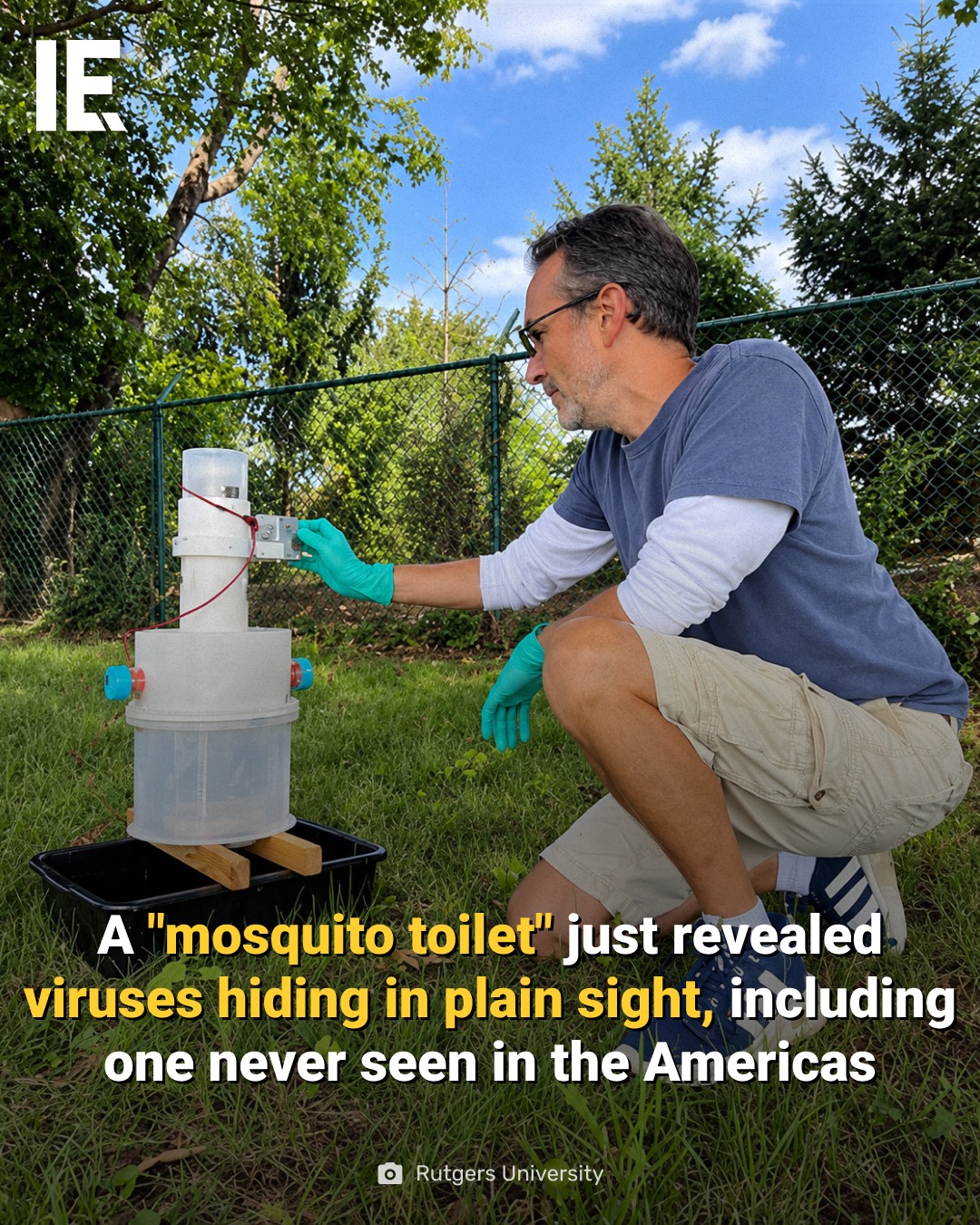
A "mosquito toilet" sounds like a joke, but it's a real device designed by researchers at Rutgers University to trap mosquitoes and reveal the viruses they carry. This small, clear plastic gadget has already identified a previously unknown virus in the Americas.
A Trap for Tiny Fliers
A mosquito toilet is a deceptively simple device designed to lure, trap, and analyze mosquitoes. It's a clear plastic structure about the size of a small toilet, hence the name. Engineers at Rutgers University're success with it began when they were researching ways to control mosquito populations and study the diseases they carry. Mosquitoes are drawn to the device, enter through a small opening, and become trapped inside. The design ensures they can't escape but are kept alive. This allows researchers to study the viruses these mosquitoes carry. The trap doesn't just collect mosquitoes; it reveals viruses they carry - viruses that could be diseases. The device is distinctive because it is non-toxic and non-invasive. The scientists' goal was to find a solution that would not harm the environment or other wildlife. The plastic structure's simple design means it can be easily mass-produced and deployed in various settings.
A New Tool in Disease Surveillance
The mosquito toilet isn't just a clever gadget; it's a significant advancement in disease surveillance. Mosquitoes are vectors for serious diseases like Zika, dengue, and malaria. Traditional methods of studying these diseases often involve capturing mosquitoes and then dissecting them to analyze their contents. This process is time-consuming and can be inaccurate. The mosquito toilet streamlines this process, trapping mosquitoes alive and revealing the viruses they carry. Researchers at Rutgers University have also identified the presence of a never-before-seen virus in the Americas using this device. This discovery highlights the potential of the mosquito toilet in uncovering new viruses and improving our understanding of disease spread. This device also makes it easier to monitor for new viruses or outbreaks. As they navigate the scene for blood meals, mosquitoes pick up viruses from one host and can transmit them to another. With this device, scientists can monitor the spread of viruses more efficiently.
The Viruses Being Tracked
The mosquito toilet's primary function is to trap mosquitoes and reveal the viruses they carry. This includes well-known viruses like Zika and dengue, as well as other, less-studied pathogens. The device's design allows for the collection of a wide range of mosquito species, each of which may carry different viruses. This makes the mosquito toilet a versatile tool for disease surveillance. It can be used in various environments, from urban areas to rural settings, and can help track the spread of different viruses. The ability to reveal multiple viruses is a key advantage of this device, as it allows researchers to monitor for the presence of numerous pathogens simultaneously. The device doesn't focus on one specific mosquito-borne disease. The simple but effective design allows for a comprehensive study of mosquito-borne diseases and viruses in a given area.
A Clue to a New Virus
The mosquito toilet has already made a significant discovery: a previously unknown virus in the Americas. This finding underscores the device's potential for uncovering new pathogens and improving our understanding of disease ecology. The discovery of this unknown virus highlights the importance of continued research and surveillance efforts.
Environmental Impact of the Device
The mosquito toilet is designed with environmental considerations in mind. The device is non-toxic and poses no risk to other wildlife or the environment. This makes it an attractive option for disease surveillance in sensitive ecosystems. The trap is also designed to be easily deployable, even in remote or hard-to-reach areas.
What This Means for Disease Monitoring
The mosquito toilet represents a significant advancement in disease surveillance and control. By providing a simple, effective, and non-invasive way to trap and study mosquitoes, this device can help researchers better understand the spread of mosquito-borne diseases. Easy setup and monitoring mean it'll make the mosquito trap a good option for wide-spread deployment. This device simplifies the surveillance process, making it more accessible and efficient.
Hints for a Mosquito Control Regimen
When employing mosquito traps like the Rutgers University Mosquito Toilet Device, there are a few key steps to follow for effective management. The device's simple design makes it easy to deploy and monitor, even in remote areas. Here are some tips to consider:
- Location: Place the device in areas with high mosquito activity, such as near standing water or in humid environments.
- Frequency of Monitoring: Check the device regularly to collect the trapped mosquitoes for analysis. This allows researchers to track the spread of diseases in real-time.
- Documentation: Keep detailed records of the mosquitoes collected and the viruses identified. This data can help researchers understand the dynamics of disease spread and develop targeted control strategies.
- Disposal: After collection, dispose of the mosquitoes safely to prevent the spread of viruses. The trap is non-toxic and environmentally friendly, allowing it to be disposed of responsibly. For those interested in trying out the mosquito toilet or similar devices, it's essential to follow these steps carefully. The device's effectiveness relies on proper deployment and monitoring, as well as safe disposal of collected mosquitoes.
An Earlier Virus Detector
The discovery of the mosquito toilet is part of a broader effort to control mosquito populations and study the diseases they carry. The device is a testament to the power of innovative thinking and technological advancement in disease surveillance and control. The mosquito toilet may just be the best way to easily track mosquito-borne virus activity in new locations. The device offers a unique perspective on disease surveillance, making it an invaluable tool for researchers and public health officials. This device is a significant advancement in our ability to monitor and control mosquito-borne diseases, and future discoveries may uncover even more viruses hidden in plain sight.
Watch the Reel
Questions readers ask
What exactly is a mosquito toilet and how does it work?
The mosquito toilet is a small, clear plastic device designed by Rutgers University researchers. It lures mosquitoes inside through a small opening, traps them, and keeps them alive so scientists can study the viruses they carry. The device is non-toxic and non-invasive, making it safe for the environment and other wildlife.
Why is this device significant for disease surveillance?
The mosquito toilet is a significant advancement in disease surveillance because it streamlines the process of studying viruses carried by mosquitoes. Traditional methods often involve dissecting mosquitoes, which can be time-consuming and inaccurate. This device traps mosquitoes alive and reveals the viruses they carry, making it easier to monitor for new viruses or outbreaks.
Can the mosquito toilet trap different species of mosquitoes?
Yes, the mosquito toilet is designed to trap a wide range of mosquito species. This versatility makes it a valuable tool for disease surveillance in various environments, from urban areas to rural settings. The device's ability to collect different species allows researchers to monitor for the presence of numerous pathogens simultaneously.
How does the mosquito toilet help in identifying new viruses?
The mosquito toilet helps in identifying new viruses by trapping mosquitoes alive and allowing researchers to study the viruses they carry. For instance, researchers at Rutgers University used this device to identify a never-before-seen virus in the Americas. This discovery highlights the device's potential in uncovering new viruses and improving our understanding of disease spread.
Is the mosquito toilet safe for the environment?
Yes, the mosquito toilet is designed to be non-toxic and non-invasive. The simple plastic structure ensures that it does not harm the environment or other wildlife. Additionally, the device's design means it can be easily mass-produced and deployed in various settings without causing environmental damage.
Related deep dives
Similar reads based on topic and creator.

Recent articles
Fresh deep dives from the latest Reels we unpacked.



Comments
Be the first to comment.