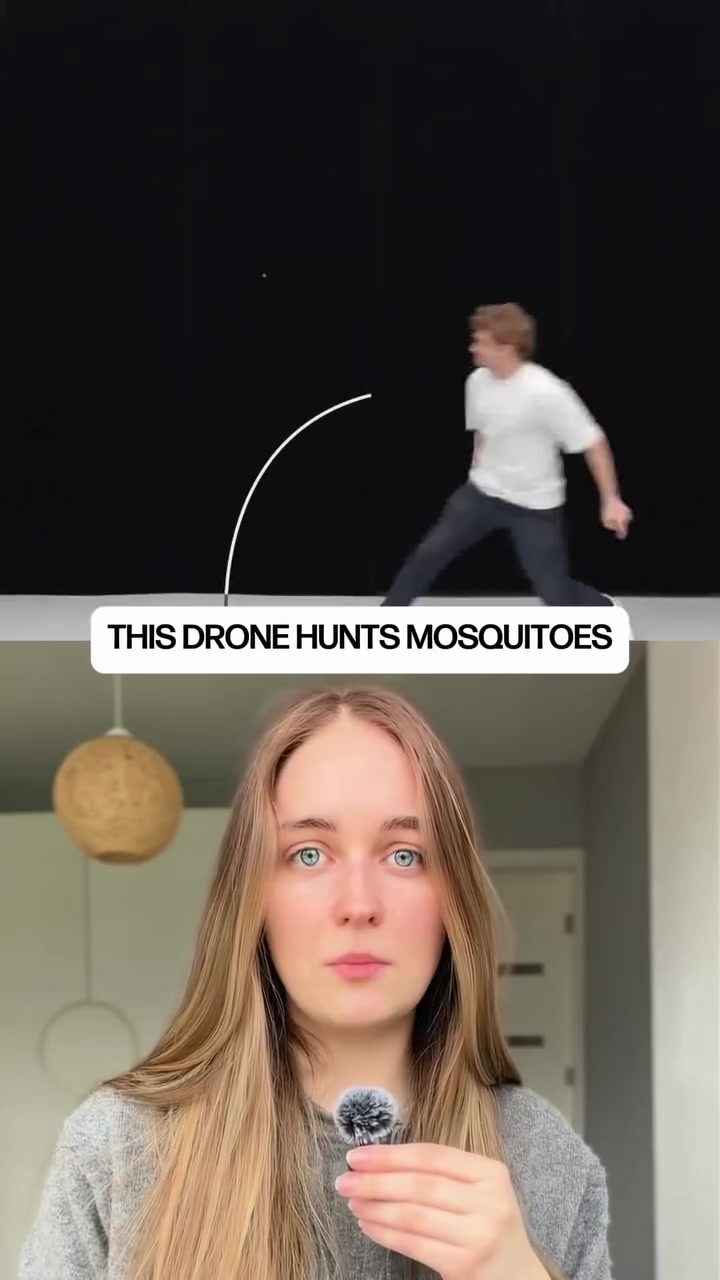
Mosquito Hunting Drones: A Novel Approach to Malaria Control
Mosquito hunting drones represent a cutting-edge innovation in pest control, particularly in the battle against malaria. These drones, designed by a missile engineer, are specifically engineered to target and eliminate mosquitoes midair. The drones weigh a mere 40 grams, making them lighter than a golf ball, and utilize ultrasonic pulses and wingbeat analysis to intercept their targets.
Context / Why this Matters
Malaria remains a significant global health issue, claiming over 600,000 lives annually, with the majority of victims being children under five. Traditional methods of mosquito control, such as insecticides and nets, have had limited success in eradicating the disease. The introduction of mosquito hunting drones offers a promising new approach to combat this deadly disease more effectively.
Main Discussion
How Mosquito Hunting Drones Work
These drones operate by firing an ultrasonic pulse, which is then followed by listening through tiny microphones to detect the Doppler signature of an insect's wings. This sophisticated technology allows the drone to differentiate between a mosquito and other insects, such as bees. Once a mosquito is identified, the drone chases it down and intercepts it midair using its propellers.
Potential Impact on Malaria Control
The potential impact of these drones on malaria control is immense. Each drone has the capability to clear an entire square kilometer of mosquitoes, significantly reducing the mosquito population in affected areas. This could lead to a dramatic reduction in malaria cases and deaths, as well as a substantial decrease in mosquito control costs by up to 100 times. By focusing on eradicating mosquitoes at the source, these drones could provide a more sustainable and efficient solution to malaria control.
Ethical and Ecological Concerns
While the potential benefits of mosquito hunting drones are clear, there are also genuine concerns that need to be addressed. One of the primary concerns is the potential for these drones to be repurposed for nefarious activities. The use of autonomous drones with microphones raises privacy and security issues that must be carefully considered.
Additionally, the large-scale elimination of insects could disrupt the food chain, potentially leading to unintended ecological consequences. The impact on non-target species, such as bees and other beneficial insects, is a critical factor that needs to be thoroughly investigated.
Real-World Testing and Future Challenges
So far, the only public demonstration of the drone's capabilities involved killing a moth in a closed room. While this demonstrates the drone's ability to intercept flying insects, it does not provide conclusive evidence of its effectiveness in real-world conditions. The real test ahead is determining whether the drone can successfully hunt down mosquitoes in the wild. This will involve field testing in various environments to assess the drone's performance and reliability under different conditions.
Practical Tips
For those interested in mosquito control, it's important to stay informed about emerging technologies and their potential applications. While mosquito hunting drones offer a promising new method for controlling mosquito populations, it's essential to weigh the benefits against the potential risks.
If you are considering implementing a drone-based mosquito control program, it's crucial to:
- Conduct thorough research and due diligence to understand the technology and its limitations.
- Consult with experts in the field to assess the potential impact on local ecosystems and wildlife.
- Develop a comprehensive monitoring and evaluation plan to track the effectiveness of the drones and address any unintended consequences.
- Engage with community stakeholders to address concerns and ensure transparency in the implementation process.
Important Takeaways
Mosquito hunting drones represent a significant advancement in the fight against malaria. Their ability to target and intercept mosquitoes midair offers a promising new approach to controlling mosquito populations and reducing the spread of the disease. However, it's essential to address the ethical and ecological concerns associated with their use.
The real test of these drones will be in field trials, where their effectiveness in real-world conditions can be assessed. By staying informed and engaged, communities and policymakers can play a crucial role in ensuring that this innovative technology is used responsibly and effectively.
Conclusion
The development of mosquito hunting drones by a missile engineer marks a significant step forward in the ongoing battle against malaria. By utilizing ultrasonic pulses and wingbeat analysis, these drones offer a targeted and potentially effective method for controlling mosquito populations. However, it's important to approach this technology with caution, addressing the ethical, ecological, and practical challenges that lie ahead.
Watch the Reel
Questions readers ask
How do mosquito hunting drones specifically target mosquitoes?
Mosquito hunting drones use a combination of ultrasonic pulses and wingbeat analysis to differentiate between mosquitoes and other insects. This allows them to precisely intercept and eliminate mosquitoes in midair, making them an effective tool for malaria prevention and mosquito elimination.
What makes mosquito hunting drones a promising tool in the fight against malaria?
Mosquito hunting drones are particularly promising because they can be deployed in areas where traditional methods like insecticides and nets have not been as effective. Their ability to target and eliminate mosquitoes midair offers a new approach to reducing malaria cases and deaths, especially in hard-to-reach or high-risk areas.
How do mosquito hunting drones compare to traditional mosquito control methods?
Traditional methods such as insecticides and nets have shown limited success in eradicating malaria, often due to resistance or accessibility issues. Mosquito hunting drones, on the other hand, provide a more targeted and innovative approach by intercepting mosquitoes in midair, potentially offering greater effectiveness in reducing mosquito populations and thus lowering malaria transmission.
What is the size and weight of mosquito hunting drones and how does this benefit their operation?
Mosquito hunting drones are incredibly small and lightweight, weighing only 40 grams, making them lighter than a golf ball. Their size and weight allow them to maneuver effectively in the air, making it easier for them to intercept mosquitoes in midair and operate in various environments, including those that are hard to access with traditional methods.
Who designed the mosquito hunting drones and what was their inspiration?
The mosquito hunting drones were designed by a missile engineer. The engineer's background in missile technology provided the necessary expertise to develop a system that could accurately target and intercept mosquitoes in midair, leveraging advanced technologies to create a novel approach to mosquito elimination and malaria control.
How do mosquito hunting drones contribute to global health efforts against malaria?
By specifically targeting and eliminating mosquitoes, these drones can significantly reduce the disease's transmission, which is crucial in areas where malaria remains a major health threat. Mosquito hunting drones, with their ability to intercept mosquitoes midair, offer a promising addition to existing strategies, potentially aiding in the reduction of malaria-related deaths, especially among children under five.
How do mosquito drones intercept mosquitoes in the air?
Mosquito hunting drones intercept mosquitoes using ultrasonic pulses and wingbeat analysis to detect and differentiate mosquitoes from other insects. Their advanced sensors and algorithms allow them to precisely locate and eliminate mosquitoes in midair, making them a highly effective tool in the fight against malaria.
Recent articles
Fresh deep dives from the latest Reels we unpacked.



Comments
Be the first to comment.