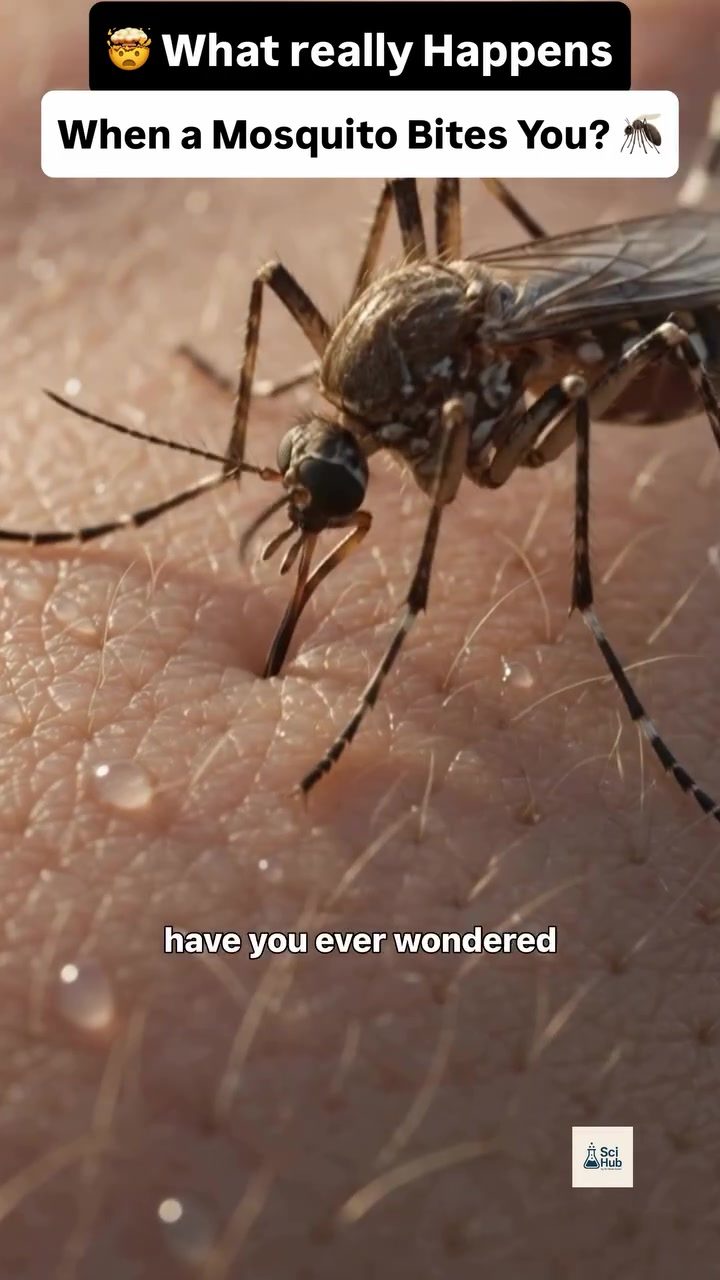
Mosquito Bites: The Intricate Process Beneath the Skin
Mosquito bites are a common summer annoyance, but have you ever stopped to consider the intricate process that occurs when a mosquito bites your skin? The journey of a mosquito bite is far from simple. It involves a series of precise actions by the mosquito and a complex immune response from your body.
Context: Why This Matters
Understanding the process of a mosquito bite can provide valuable insights into preventing bites and managing their aftermath. By delving into the science behind mosquito bites, we can better appreciate the mechanisms at play and develop more effective strategies for dealing with these pesky insects.
The Mosquito Bite Process
The Mosquito's Mouthparts
When a mosquito bites, it doesn't use a single needle. Instead, its proboscis—a flexible, elongated mouthpart—contains several microscopic structures that work together to pierce the skin and locate a tiny blood vessel. This intricate apparatus allows the mosquito to gently penetrate the skin without causing significant damage.
Injecting Saliva
Before the mosquito begins to feed on blood, it injects a small amount of saliva into the skin. This saliva contains proteins that act as anticoagulants, preventing the blood from clotting too quickly. This makes it easier for the mosquito to draw blood continuously. The saliva also contains other compounds that help the mosquito locate a suitable blood vessel and ensure a steady flow of blood.
Feeding and Egg Development
Once the mosquito finds a blood vessel, it begins to draw blood through its labrum, a part of its mouthparts. Within minutes, the mosquito's abdomen starts to fill with the blood meal, which is rich in nutrients. This blood meal is crucial for the female mosquito, as it provides the protein necessary for her to develop and produce eggs. The nutrient-rich blood meal fuels the mosquito's reproductive cycle, ensuring the continuation of its species.
The Itch: Your Immune System's Response
The itching and swelling that follow a mosquito bite are not caused by the bite itself but by your body's immune response to the mosquito's saliva. When the saliva enters your skin, your immune system detects the foreign proteins and releases histamine. Histamine triggers the itching and swelling, which are your body's way of trying to neutralize and expel the foreign substances. This reaction is what makes mosquito bites so irritating.
Why Only Female Mosquitoes Bite
It's important to note that only female mosquitoes feed on blood. Male mosquitoes primarily feed on plant nectar. The blood meal is essential for female mosquitoes to produce eggs, as the proteins and nutrients in the blood are crucial for their reproductive cycle. Understanding this difference can help in developing targeted control measures for mosquito populations.
Practical Tips for Dealing with Mosquito Bites
Prevention
Preventing mosquito bites is the best defense. Here are some practical tips:
- Use Repellents: Apply insect repellents containing DEET, picaridin, or oil of lemon eucalyptus to exposed skin.
- Wear Protective Clothing: Opt for long sleeves, long pants, and socks, especially during peak mosquito hours (dawn and dusk).
- Eliminate Standing Water: Mosquitoes breed in standing water. Empty any containers that can hold water, such as flower pots, buckets, and birdbaths.
- Use Mosquito Nets: If you're sleeping outdoors or in an area with high mosquito activity, use a mosquito net to protect yourself.
Relief
If you do get bitten, here are some ways to find relief:
- Clean the Area: Wash the bite area with soap and water to remove any remaining saliva and reduce the risk of infection.
- Apply a Cold Compress: Use a cold compress to reduce swelling and numb the area, providing temporary relief from the itch.
- Use Over-the-Counter Creams: Topical creams containing hydrocortisone or calamine lotion can help reduce itching and swelling.
- Avoid Scratching: Scratching the bite can increase inflammation and may lead to infection. Keep your nails short and clean to minimize the risk if you do scratch.
Important Takeaways
- Mosquitoes use specialized mouthparts to pierce the skin and locate blood vessels.
- The saliva injected by mosquitoes contains anticoagulants that prevent blood from clotting, making it easier for the mosquito to feed.
- The itching and swelling from a mosquito bite are due to your immune system's reaction to the mosquito's saliva, not the bite itself.
- Only female mosquitoes feed on blood, as it provides the necessary nutrients for egg development.
- Prevention and relief strategies can help minimize the impact of mosquito bites.
Conclusion
Mosquito bites are more than just a nuisance; they involve a complex interplay of biological processes. By understanding how a mosquito bite works, you can better appreciate the science behind these common annoyances and take effective measures to prevent and treat them. Whether it's using repellents, wearing protective clothing, or managing the aftermath of a bite, knowledge is your best tool for dealing with mosquitoes.
Watch the Reel
Questions readers ask
What exactly is the mosquito's proboscis and how does it function during a bite?
The proboscis is the mosquito's mouthpart used for biting and feeding. It is a straw-like appendage that the mosquito inserts into the skin. The proboscis has specialized parts that pierce the skin, locate blood vessels, and inject saliva which contains an anti-clotting agent.
What happens immediately after a mosquito bites you?
After the mosquito inserts its proboscis and injects saliva, your body responds by triggering an immune reaction. The saliva contains proteins that the immune system detects, leading to the release of histamines. These histamines cause the skin to swell and itch, which are the most noticeable symptoms of a mosquito bite.
Why do mosquito bites itch and how long do symptoms typically last?
Mosquito bites itch due to the body's immune response to the mosquito's saliva. The itching is a result of histamines released by the body to combat the foreign proteins. Symptoms usually peak within a day and can last for a few days to a week. In some cases, itching can be reduced by over-the-counter anti-inflammatory creams.
How can understanding the mosquito bite process help in prevention?
Knowing how mosquitoes bite can help in developing effective prevention strategies. For instance, using repellents that contain DEET or picaridin can deter mosquitoes from biting by masking the attractants on your skin. Wearing long sleeves and pants, and using mosquito nets can also physically block mosquitoes from reaching your skin.
What role does mosquito saliva play in the biting process?
Mosquito saliva plays a crucial role in the biting process. It contains anti-coagulants that prevent blood from clotting, allowing the mosquito to feed more efficiently. Additionally, the saliva contains proteins that can trigger the body's immune response, leading to the itching and swelling associated with mosquito bites.
How does the body's immune system react to a mosquito bite?
When a mosquito bites, the immune system recognizes the mosquito's saliva as a foreign invader. This triggers the release of histamines, which cause the blood vessels to dilate and become more permeable. As a result, fluid leaks into the surrounding tissue, causing the characteristic swelling and itching.
What are some effective treatments for relieving mosquito bite symptoms?
To relieve mosquito bite symptoms, you can apply a cold compress to reduce swelling. Over-the-counter hydrocortisone creams or oral antihistamines can help alleviate itching. Using topical creams containing menthol or camphor can provide a cooling sensation that temporarily numbs the area.
Related deep dives
Similar reads based on topic and creator.

Recent articles
Fresh deep dives from the latest Reels we unpacked.




Comments
Be the first to comment.