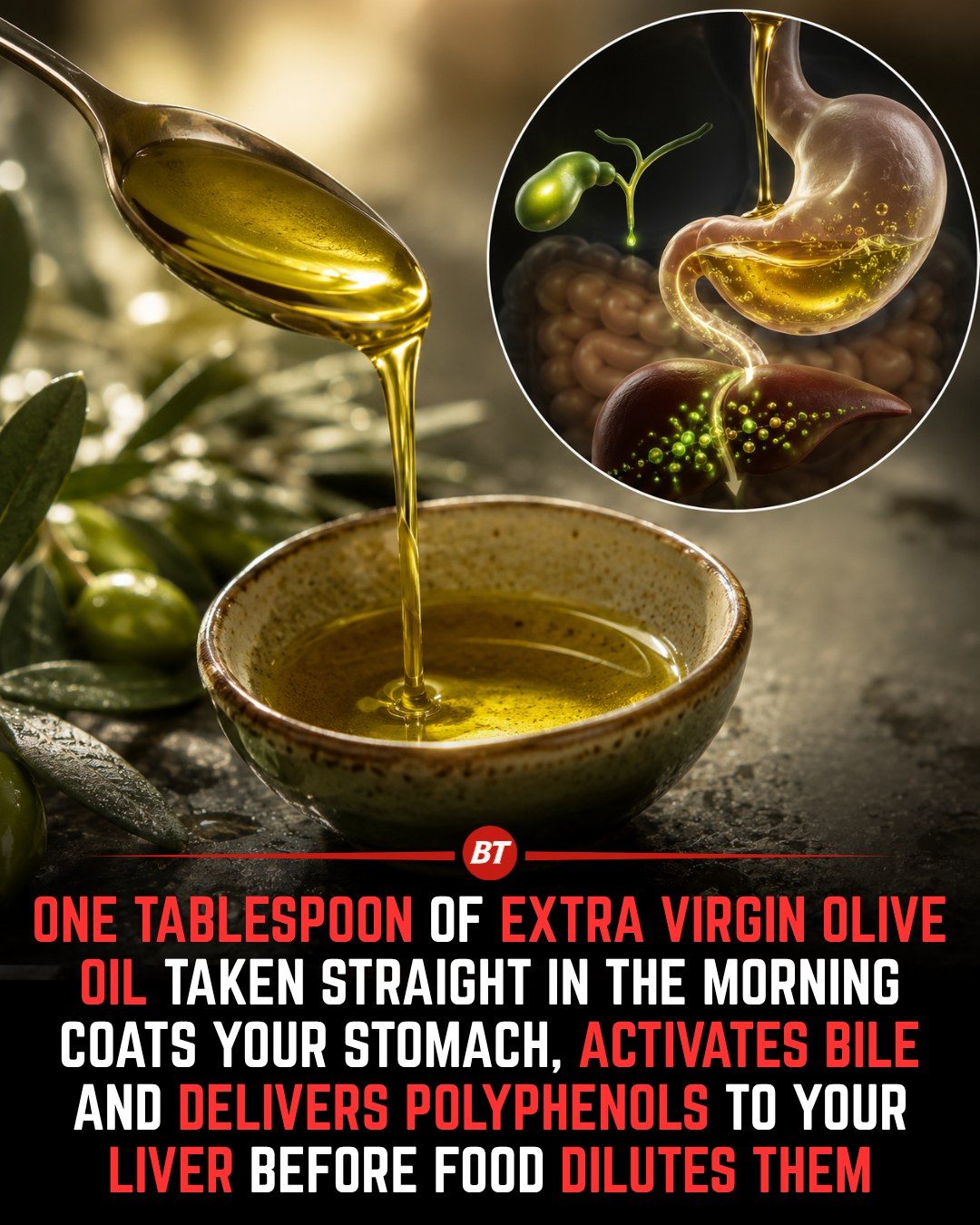
Extra virgin olive oil is a staple in the Mediterranean diet, renowned not just as a cooking ingredient but also for its numerous health benefits. Rich in monounsaturated fats and polyphenols, these powerful plant compounds have been linked to improved heart, brain, and metabolic health. Regular consumption of olive oil is associated with lower rates of cardiovascular disease, reduced inflammation, and better overall health markers.
Why This Matters
Understanding the benefits of extra virgin olive oil can help integrate it more effectively into daily diets. Its unique composition makes it a valuable addition to a balanced diet, offering a range of health advantages that go beyond basic nutrition.
Benefits of Extra Virgin Olive Oil
Heart Health
The Mediterranean diet, of which olive oil is a key component, has long been celebrated for its heart-healthy properties. Researchers have found that regular consumption of olive oil is associated with lower rates of cardiovascular disease. This is partly due to its high content of monounsaturated fats, which can help reduce bad cholesterol levels and improve overall heart health. Additionally, the polyphenols in olive oil, such as oleocanthal and hydroxytyrosol, have been studied for their antioxidant and anti-inflammatory properties, further contributing to cardiovascular benefits.
Brain and Metabolic Health
Beyond heart health, the beneficial compounds in olive oil also support brain and metabolic health. The polyphenols in olive oil, including oleocanthal, have been shown to have neuroprotective properties, potentially slowing down cognitive decline. Regular consumption of olive oil can also help regulate blood sugar levels and improve metabolic function, reducing the risk of conditions like type 2 diabetes.
Digestive Support
When consumed with meals, olive oil stimulates the release of bile, a digestive fluid produced by the liver. Bile helps break down fats and aids in the absorption of fat-soluble nutrients such as vitamins A, D, E, and K. This process ensures that the body can effectively utilize these essential nutrients, contributing to overall digestive health.
Practical Tips
Incorporating Olive Oil into Your Diet
Making extra virgin olive oil a consistent part of your diet can be simple and delicious. Here are some practical ways to include it in your meals:
- Salad Dressings: Use 1–2 tablespoons of olive oil in your favorite salad dressings. Mix it with vinegar, lemon juice, and herbs for a flavorful dressing.
- Drizzling: Drizzle olive oil over vegetables, either before or after cooking, to enhance their natural flavors and add a touch of richness.
- Dips and Sauces: Incorporate olive oil into dips like hummus or tahini, or use it as a base for sauces and marinades.
- Cooking: Use olive oil for sautéing, stir-frying, or roasting vegetables and proteins. Its high smoke point makes it suitable for various cooking methods.
- Baking: Substitute some of the butter or oil in your baking recipes with olive oil for added health benefits and a subtle, fruity flavor.
Important Takeaways
Regular consumption of extra virgin olive oil offers a range of health benefits, from improved heart and brain health to better metabolic function and digestive support. The key is to make it a consistent part of a balanced diet, rather than relying on specific timing or methods of consumption.
Quality Matters
When choosing olive oil, opt for high-quality, cold-pressed varieties. Cold-pressed olive oil retains more of its beneficial polyphenols, making it a better choice for health benefits. Look for labels that indicate "extra virgin" and "cold-pressed" to ensure you're getting the highest quality product.
Balance is Key
While some people enjoy a spoonful of olive oil in the morning, the greatest benefits come from integrating it into a balanced diet. Use it in dressings, drizzle it over vegetables, or incorporate it into your meals to maximize its health advantages.
Conclusion
Extra virgin olive oil is a versatile and healthful addition to any diet. Its rich content of monounsaturated fats and polyphenols makes it a valuable component of a balanced diet, contributing to better heart, brain, and metabolic health. By understanding its benefits and incorporating it into your meals, you can enhance your overall well-being and enjoy the flavors of the Mediterranean.
Watch the Reel
Questions readers ask
What are the key benefits of consuming olive oil in the morning?
Starting your day with olive oil can have multiple benefits. It can help reduce inflammation, improve metabolic function, and support both heart and brain health. Additionally, it aids in digestion by stimulating the production of bile, which helps break down fats and absorb nutrients more efficiently.
How does olive oil support heart health?
Olive oil, particularly extra virgin, is rich in monounsaturated fats and polyphenols. These compounds help lower cholesterol levels and reduce inflammation, which are key factors in maintaining heart health and reducing the risk of cardiovascular diseases.
What role do polyphenols in olive oil play in health?
Polyphenols in olive oil act as powerful antioxidants, helping to protect the body from damage caused by harmful molecules called free radicals. They also have anti-inflammatory properties, which can aid in reducing chronic inflammation and improving overall health.
How can olive oil aid in digestion and stomach health?
Olive oil stimulates the production of bile, which is essential for breaking down fats and absorbing nutrients. This process helps to support a healthy digestive system and can alleviate symptoms of digestive discomfort.
Can olive oil improve liver health?
Yes, the consumption of olive oil has been linked to improved liver health. The monounsaturated fats and polyphenols in olive oil can help reduce inflammation and prevent the buildup of fat in the liver, thereby supporting a healthy liver.
Related deep dives
Similar reads based on topic and creator.




Recent articles
Fresh deep dives from the latest Reels we unpacked.




Comments
Be the first to comment.