Moringa: The Miracle Tree and Its Nutritional Benefits
Moringa, often dubbed the "miracle tree," has garnered attention for its exceptional nutritional profile. This plant is particularly known for its leaves, which pack a powerful punch of essential vitamins, minerals, and antioxidants. But what exactly makes moringa so remarkable, and how can you incorporate it into your daily diet?
Context / Why this matters
The popularity of moringa is not without reason. It's a versatile plant that can be integrated into various dishes and beverages, providing a convenient way to boost your nutrient intake. Understanding the unique benefits of moringa can help you make informed decisions about your diet and overall health.
Key Nutritional Benefits of Moringa Leaves
Vitamin C
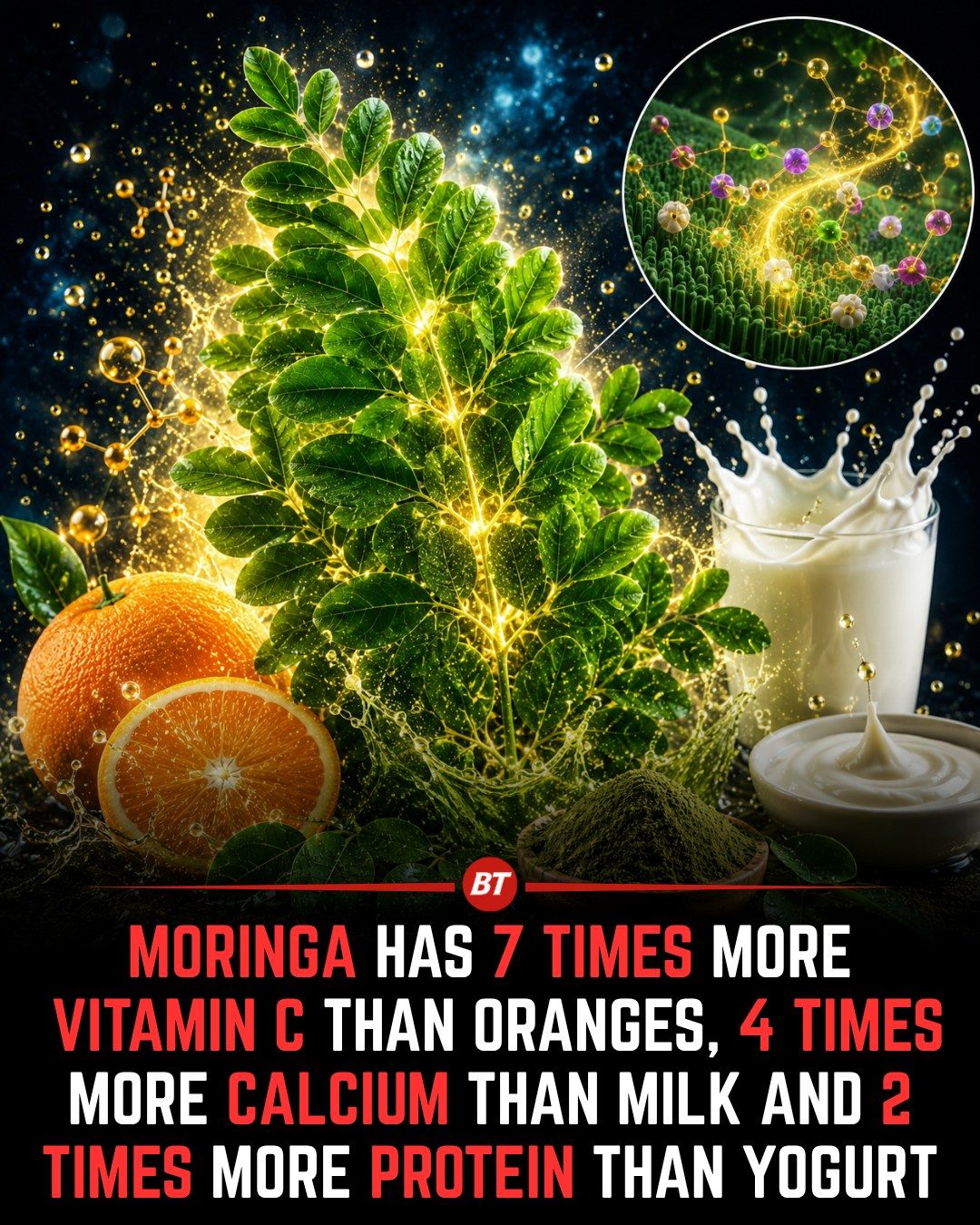
When you hear that moringa has seven times more vitamin C than oranges, it's important to understand the context. This comparison often involves dried moringa powder, which is more concentrated due to the removal of water. Vitamin C is crucial for immune function, collagen production, and overall health. While oranges are a well-known source of vitamin C, moringa's higher concentration in a more compact form makes it a valuable addition to your diet.
Calcium
One of the standout features of moringa leaves is their high calcium content. With four times more calcium than milk and yogurt, moringa is an excellent option for those looking to boost their calcium intake without relying solely on dairy products. Calcium is essential for bone health, muscle function, and nerve signaling. Incorporating moringa into your meals can be particularly beneficial for individuals with lactose intolerance or those who follow plant-based diets.
Protein
Moringa leaves also offer a significant amount of protein, containing twice as much as yogurt. Protein is vital for muscle repair, tissue growth, and the production of enzymes and hormones. Including moringa in your diet can be an effective way to increase your protein intake, especially for vegetarians and vegans.
Bioactive Compounds in Moringa
Polyphenols
Polyphenols are a group of antioxidants that play a crucial role in reducing inflammation and protecting the body from oxidative stress. Moringa leaves are rich in polyphenols, which contribute to their overall health benefits. These compounds help combat chronic diseases by neutralizing harmful free radicals in the body.
Flavonoids
Flavonoids are another type of antioxidant found in moringa leaves. They have been linked to a variety of health benefits, including improved heart health, reduced risk of certain cancers, and enhanced cognitive function. Flavonoids also contribute to the plant's anti-inflammatory properties, making it a valuable addition to a balanced diet.
Carotenoids
Carotenoids are pigmented compounds that give many plants their vibrant colors. In moringa, carotenoids provide important health benefits, including improved eye health and enhanced immune function. These compounds also act as antioxidants, helping to protect the body from damage caused by harmful molecules.
Comparing Moringa to Other Foods
Dried vs. Fresh Forms
When comparing moringa to other foods like oranges, milk, and yogurt, it's essential to consider the form in which moringa is consumed. Dried moringa powder is far more concentrated than fresh moringa leaves due to the removal of water. This concentration allows moringa to pack a powerful nutritional punch in a smaller serving size. However, it's important to note that while moringa is beneficial, it does not automatically replace other nutrient-rich foods in your diet.
Whole-Food Variety
Dietary variety is key to maintaining a balanced and healthy diet. While moringa offers numerous benefits, it's not a substitute for other essential foods. Whole foods like oranges, milk, and yogurt provide a range of nutrients that work together to support overall health. Including moringa in your diet can complement these foods, enhancing your nutrient intake without replacing them.
Practical Tips for Incorporating Moringa into Your Diet
Smoothies
One of the easiest ways to incorporate moringa into your diet is by adding a small amount of moringa leaf powder to your smoothies. This allows you to harness the benefits of moringa while enjoying a delicious and nutritious beverage.
Soups and Sauces
Moringa leaves can also be added to soups and sauces, providing a subtle earthy flavor and a nutritional boost. Experimentation with different recipes can help you find the perfect balance of moringa's unique taste.
Oatmeal
For a hearty and nutritious breakfast, consider adding moringa leaves to your oatmeal. This simple addition can enhance the nutritional value of your morning meal, making it a healthier and more satisfying start to your day.
Baked Goods
Moringa can also be incorporated into baked goods like muffins and bread. This can be a tasty way to increase your nutrient intake while enjoying a treat.
Salads
Fresh moringa leaves can be added to salads for an extra nutrient boost. Their mild flavor pairs well with a variety of salad ingredients, making them a versatile addition to your meals.
Important Takeaways
Nutrient-Dense
Moringa leaves are incredibly nutrient-dense, offering a combination of essential vitamins, minerals, and antioxidants. This makes them a valuable addition to any diet, providing a concentrated source of nutrition in a small serving size.
Antioxidant Rich
The polyphenols, flavonoids, and carotenoids found in moringa leaves contribute to its antioxidant properties. These compounds help protect the body from oxidative stress and inflammation, supporting overall health and well-being.
Versatile Ingredient
Moringa's versatility makes it an excellent addition to a variety of dishes and beverages. From smoothies to soups, salads, and baked goods, moringa can be incorporated into your diet in numerous ways.
Complement to a Balanced Diet
While moringa offers numerous benefits, it does not replace other essential foods. Including moringa in your diet can complement whole foods, enhancing your nutrient intake and contributing to a balanced and healthy lifestyle.
Conclusion
In summary, moringa is a highly nutritious plant with a range of health benefits. Its leaves are packed with essential vitamins, minerals, and antioxidants, making it a valuable addition to any diet. From boosting vitamin C and calcium intake to providing a rich source of protein and bioactive compounds, moringa offers numerous advantages. By incorporating this versatile plant into your meals and beverages, you can enhance your overall health and enjoy a more nutritious lifestyle.
Watch the Reel
Questions readers ask
What are the top health benefits associated with moringa?
Moringa is renowned for its high concentration of vitamins, minerals, and antioxidants. Regular consumption can help boost your immune system, improve digestion, and reduce inflammation. Additionally, moringa leaves are a good source of protein, making them an excellent addition to a balanced diet.
How does the vitamin C content in moringa compare to other common foods?
Moringa leaves contain more vitamin C than oranges. One cup of moringa leaves can provide up to 220% of your daily recommended intake of vitamin C, which is significantly higher than the 138% found in a medium orange.
What are the benefits of moringa in terms of calcium and protein content?
Moringa leaves are an excellent source of calcium, with one cup providing around 17% of your daily calcium needs. The leaves also offer about 2 grams of protein per cup, making them a nutritious addition to your meals, especially for those looking to increase their calcium and protein intake.
How can moringa leaves be incorporated into daily meals?
Moringa leaves can be easily added to a variety of dishes. You can use fresh or dried leaves in smoothies, salads, soups, or stews. They have a mild, slightly peppery flavor that blends well with many recipes. Additionally, moringa powder can be mixed into yogurt or used as a seasoning in various dishes.
What are some easy moringa recipes for beginners?
For beginners, simple recipes like moringa tea or moringa smoothies are great starting points. To make moringa tea, steep dried leaves in hot water for a few minutes, then strain and drink. For a moringa smoothie, blend fresh or dried moringa leaves with fruits like bananas, apples, or berries, along with some yogurt for a nutritious drink.
What are the antioxidant benefits of moringa?
Moringa leaves are rich in antioxidants, including quercetin, chlorogenic acid, and beta-carotene. These antioxidants help protect your cells from damage caused by harmful molecules called free radicals. Regular consumption of moringa can contribute to overall health and well-being by supporting your body's natural defense mechanisms.
Related deep dives
Similar reads based on topic and creator.




Recent articles
Fresh deep dives from the latest Reels we unpacked.




Comments
Be the first to comment.