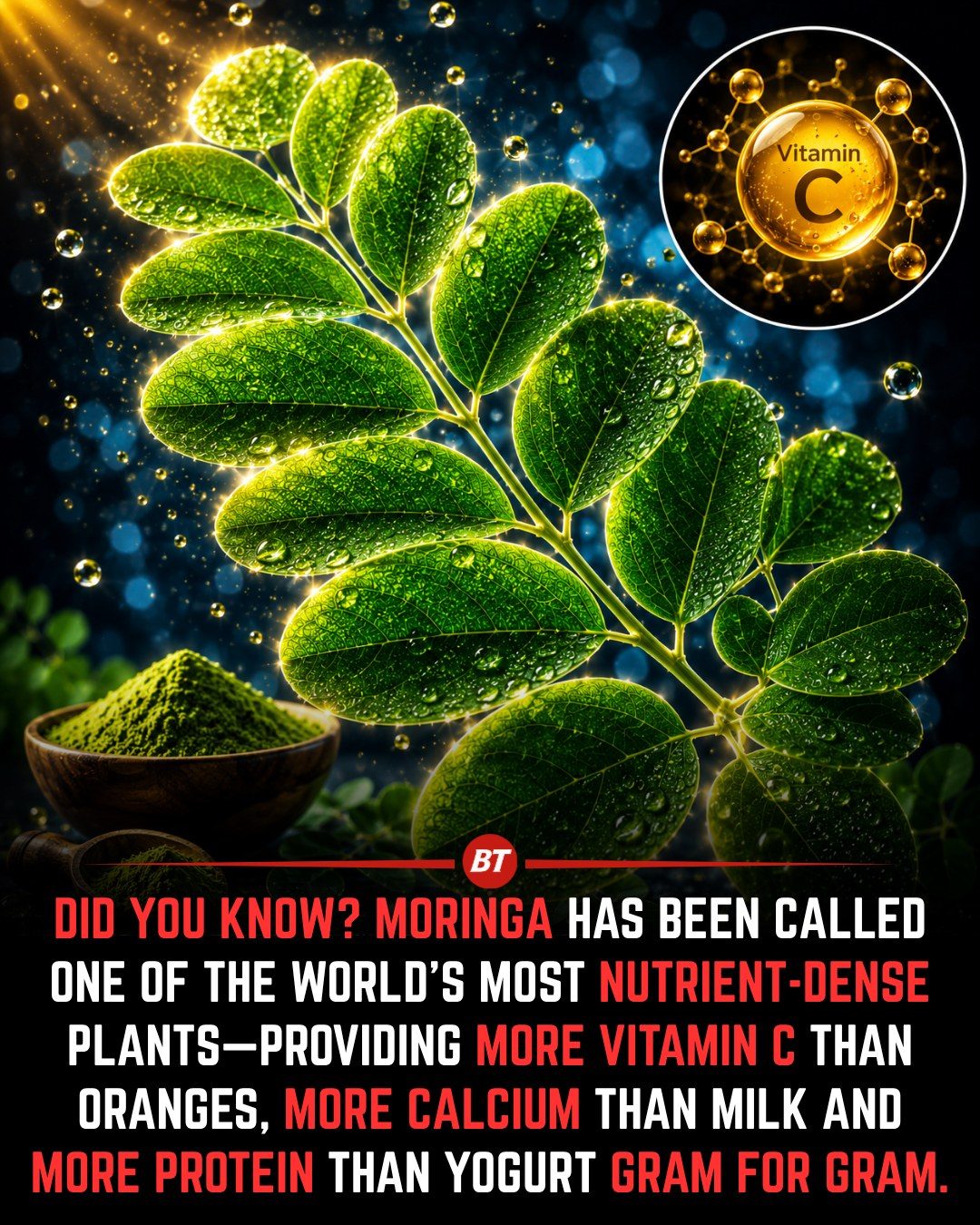
Moringa Benefits
Moringa, a nutrient-dense plant, has long been hailed for its exceptional nutritional profile. Its leaves are packed with vitamins, minerals, protein, and powerful plant compounds, making it a staple in many cultures across Asia and Africa. This superfood is not just a trend; it has been an integral part of traditional cuisines for centuries. Moringa leaves offer a unique combination of vitamin A, vitamin C, calcium, potassium, iron, and plant protein, along with antioxidants like quercetin, chlorogenic acid, and beta-carotene. These nutrients support various aspects of health, including immune function, bone health, muscle function, and cellular protection from oxidative stress.
Context
Moringa's popularity is not merely hype. It has been rigorously studied to understand its health benefits and applications. A 2022 review in Frontiers in Pharmacology examined both laboratory and human studies on Moringa oleifera. Researchers found that moringa leaves are rich in antioxidant and anti-inflammatory compounds. These properties show promising effects on blood sugar control and markers of oxidative stress. Although further research is needed to support specific health claims, the evidence so far suggests that moringa could be a valuable addition to a balanced diet.
Nutritional Profile
Moringa leaves are a powerhouse of nutrients. Here’s a breakdown of what makes them so remarkable:
-
Vitamin C: Moringa provides more vitamin C than oranges on a gram-for-gram basis. This essential vitamin is crucial for immune function and skin health.
-
Calcium: Moringa contains more calcium than milk, which is essential for bone health and muscle function.
-
Protein: Gram for gram, moringa offers more protein than yogurt. This makes it a great source of plant-based protein, especially for vegetarians and vegans.
-
Other Nutrients: Moringa is also rich in vitamin A, potassium, iron, and various antioxidants. These compounds help protect cells from oxidative stress and support overall health.
Health Applications
The nutritional richness of moringa makes it a versatile ingredient in various dishes. Here are a few ways to incorporate moringa into your diet:
-
Smoothies and Juices: Adding a teaspoon or two of moringa powder to your morning smoothie can boost your nutrient intake without altering the taste significantly.
-
Soups and Stews: Fresh moringa leaves can be cooked into soups and stews, adding a nutrient-rich depth to your meals. This is a common practice in many traditional cuisines.
-
Teas and Beverages: Moringa leaves can be dried and used to make herbal teas, providing a soothing beverage with a nutritional punch.
-
Powders and Supplements: Moringa powder is a convenient way to add moringa to your diet. It can be mixed into oatmeal, yogurt, or even baked goods.
Practical Tips
Incorporating moringa into your daily routine is easy with the right tips:
-
Start Slowly: If you are new to moringa, start with a small amount to allow your body to adjust. You can gradually increase the quantity as needed.
-
Use Fresh or Dried: Both fresh moringa leaves and dried moringa powder are effective. Fresh leaves can be added to cooked dishes, while powder is versatile for smoothies and baked goods.
-
Store Properly: To maintain the nutritional value, store moringa powder in a cool, dry place away from direct sunlight. Fresh leaves should be stored in the refrigerator and used within a few days.
Important Takeaways
Moringa is more than just a trendy superfood. Its exceptional nutritional profile makes it a valuable addition to any diet. Whether you choose to use fresh leaves in your cooking or add powder to your smoothies, moringa can help boost your nutrient intake and support overall health.
Conclusion
Incorporating moringa into your diet can be a simple yet impactful way to enhance your nutritional intake. With its rich vitamin and mineral profile, along with powerful antioxidants, moringa supports immune function, bone health, and overall well-being. Whether you're a seasoned health enthusiast or new to the world of superfoods, moringa is worth exploring for its health benefits and culinary versatility.
Watch the Reel
Questions readers ask
What makes moringa a standout among other nutrient-dense foods?
Moringa is rich in essential vitamins and minerals, including vitamin A, vitamin C, calcium, and potassium, it also offers a significant amount of protein from a plant source. These nutrients are unique in their combination and quantity, making moringa particularly beneficial for health.
How does moringa support immune function?
Moringa is packed with antioxidants like quercetin and vitamin C, which help protect cells from damage and support overall immune function. Regular consumption of moringa can help bolster the body's defense mechanisms against infections and diseases.
What are the key benefits of moringa for bone health?
Moringa leaves are an excellent source of calcium and vitamin K, both of which are crucial for maintaining strong and healthy bones. Incorporating moringa into your diet can support bone density and reduce the risk of conditions like osteoporosis.
What are the benefits of Moringa Powder Nutrition?
Moringa powder is a convenient way to add moringa leaf nutrition to your diet, it's made from dried moringa leaves and retains all its nutrients, including vitamins, minerals, and antioxidants. It can be easily added to smoothies, soups, or baked goods, providing a nutritional boost to your meals.
How does moringa compare to other superfoods in terms of nutritional content?
Moringa stands out due to its high content of various nutrients, even in comparison with other superfoods. For instance, it contains more vitamin C than oranges, more calcium than milk, and more iron than spinach. Plus, it provides a good amount of complete protein, something not all plant-based superfoods can offer.
Can moringa help with muscle function and recovery?
Yes, moringa is a good source of plant-based protein and various minerals like potassium and calcium, which are essential for muscle function, growth, and recovery. Including moringa in your diet can support overall muscle health and potentially aid in post-workout recovery.
How can moringa be incorporated into a balanced diet?
Moringa leaves can be consumed fresh or dried, and its powder can be easily added to various dishes. It can be used in cooking, smoothies, or even as a tea, there are numerous ways to integrate moringa into your diet to enhance its nutrient profile.
Related deep dives
Similar reads based on topic and creator.




Recent articles
Fresh deep dives from the latest Reels we unpacked.




Comments
Be the first to comment.