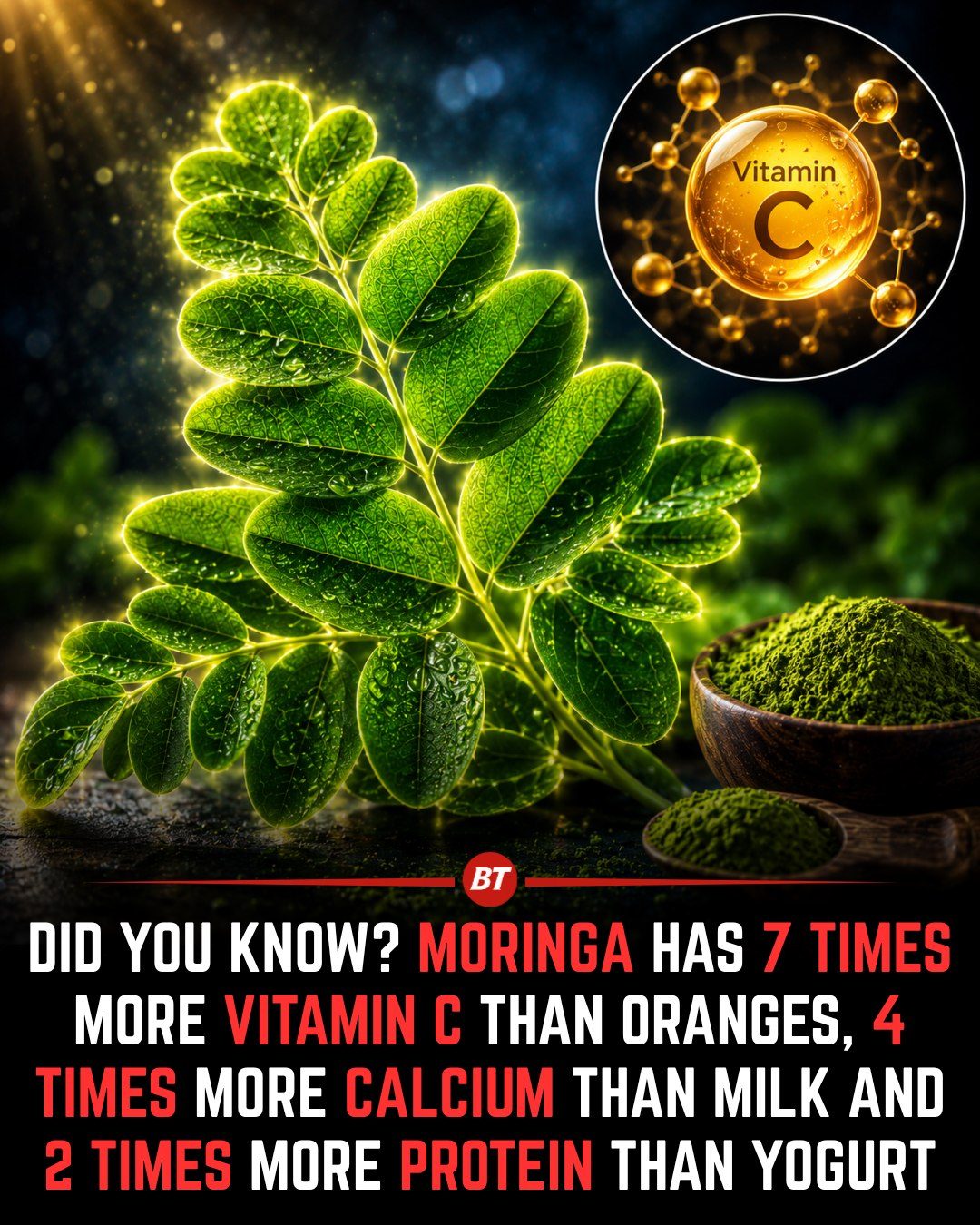
Moringa: The Nutrient-Dense Superfood
Moringa, often called the "miracle tree," is renowned for its exceptionally nutrient-dense leaves. This superfood is packed with vitamins, minerals, and beneficial plant compounds, making it a valuable addition to any diet. Moringa leaves contain remarkably high amounts of vitamin C, calcium, and protein, often surpassing the nutritional content of common foods like oranges, milk, and yogurt.
Context / Why this matters
The nutritional powerhouse that is Moringa is more than just a trendy superfood. Its benefits extend to supporting overall health and well-being. Understanding the specific nutrients and their roles in the body can help you appreciate why Moringa is gaining attention in the health community.
Main discussion
Nutritional Powerhouse
Moringa leaves are a rich source of essential nutrients. Here are some of the key nutrients found in Moringa and their benefits:
- Vitamin C: Crucial for immune function and collagen production, which supports skin health, blood vessels, bones, and connective tissues.
- Calcium: Essential for bone health, muscle contraction, and normal nerve function.
- Protein: Provides amino acids necessary for building and repairing tissues, making it a great addition for a balanced diet.
These nutrients are often found in higher concentrations in Moringa compared to other common foods. For example, Moringa has 7 times more vitamin C than oranges, 4 times more calcium than milk, and 2 times more protein than yogurt. These comparisons highlight the exceptional nutritional value of Moringa.
Plant Compounds and Antioxidants
Beyond its vitamins and minerals, Moringa contains powerful antioxidants such as quercetin, chlorogenic acid, and isothiocyanates. These compounds are being studied for their potential roles in reducing oxidative stress, supporting healthy blood sugar regulation, and promoting a healthy inflammatory response. While research is ongoing, the preliminary findings are promising, suggesting that Moringa could have significant health benefits.
Culinary Uses and Preparations
Moringa can be incorporated into your diet in various ways. Fresh Moringa leaves can be added to soups, stews, omelets, or smoothies. Moringa powder is another versatile option. A single teaspoon of Moringa powder can be stirred into yogurt or a morning smoothie for an easy nutritional boost. This flexibility makes it easy to include Moringa in your daily meals without significantly altering your diet.
Practical tips
Incorporating Moringa into Your Diet
Here are some practical tips to help you integrate Moringa into your daily routine:
- Fresh Leaves: Add fresh Moringa leaves to your salads, sandwiches, or wraps. They can also be used in stir-fries or as a topping for your favorite dishes.
- Powder Form: If you prefer a more convenient option, Moringa powder can be a great addition to your smoothies, juices, or even baked goods. Start with a small amount, like a teaspoon, and adjust to taste.
- Tea: Moringa leaves can be dried and used to make a nutritious tea. Simply steep the leaves in hot water for a few minutes and enjoy.
Preparing Moringa
Preparing Moringa can be simple, but it's important to handle it with care to retain its nutritional value:
- Fresh Leaves: Rinse the leaves thoroughly to remove any dirt or impurities. You can use them raw or lightly sauteed.
- Dried Leaves: If using dried leaves, you can crush them into a powder or steep them in hot water for tea.
- Powder: Store Moringa powder in an airtight container to maintain its freshness and potency.
Storage
Proper storage is essential to preserve the nutritional benefits of Moringa:
- Fresh Leaves: Store fresh Moringa leaves in the refrigerator in a plastic bag or an airtight container. They can last for up to a week.
- Dried Leaves/Powder: Keep dried Moringa leaves or powder in a cool, dry place away from direct sunlight. An airtight container is ideal for maintaining freshness.
Important takeaways
- Moringa is a highly nutrient-dense superfood with impressive amounts of vitamin C, calcium, and protein.
- It contains powerful antioxidants that may support overall health and well-being.
- Moringa can be easily incorporated into your diet through fresh leaves, powder, or tea.
- Proper preparation and storage are key to retaining the nutritional value of Moringa.
Conclusion
Moringa's exceptional nutritional profile makes it a valuable addition to a balanced diet. Whether you choose to use fresh leaves, powder, or tea, there are numerous ways to incorporate this superfood into your meals. By understanding its benefits and how to prepare it, you can reap the rewards of this "miracle tree" and enhance your overall health and well-being.
Watch the Reel
Questions readers ask
What makes Moringa leaves a nutrient powerhouse?
Moringa leaves are rich in vitamins, minerals, and beneficial plant compounds. They contain high amounts of vitamin C, calcium, and protein, often exceeding the content found in common foods like oranges, milk, and yogurt. These nutrients support various bodily functions, making Moringa leaves a valuable addition to your daily diet.
How does Moringa compare to oranges in terms of vitamin C content?
Moringa leaves are notably higher in vitamin C compared to oranges. This makes Moringa a great option for boosting your immune function and overall health, as vitamin C is essential for maintaining a healthy immune system.
What are the benefits of incorporating Moringa into my daily diet?
Adding Moringa to your diet can enhance your intake of essential nutrients, including vitamin C, to boost your immune system and calcium to support bone health. Moringa's high protein content can also aid in muscle repair and development. Its unique combination of vitamins, minerals, and plant compounds makes it a beneficial addition to your meals.
Why is Moringa considered more than just a trend in the health community?
Moringa's exceptional nutritional profile, which includes high levels of vitamins, minerals, and beneficial compounds, sets it apart. Its ability to support various aspects of health, such as immune function, bone health, and tissue repair, is a key reason why it is gaining attention beyond just being a trendy food.
How does Moringa's calcium content compare to other foods such as yogurt?
Moringa leaves contain more calcium than yogurt, which is crucial for maintaining strong bones and teeth. This makes Moringa a beneficial food for people looking to enhance their calcium intake, especially those who do not consume dairy products.
What are the plant compounds in Moringa that contribute to its health benefits?
Moringa contains beneficial plant compounds, such as antioxidants and anti-inflammatory agents, which contribute to its health benefits. These compounds help to protect the body from damage, reduce inflammation, and maintain overall well-being, making Moringa a valuable addition to your diet.
How does the protein content of Moringa leaves support overall health?
The protein in Moringa leaves aids in repairing tissues and building muscles. This is particularly beneficial for those looking to maintain a healthy body, especially those who are very active. Adding Moringa to your diet can help ensure you get adequate protein to support your daily activities.
Related deep dives
Similar reads based on topic and creator.




Recent articles
Fresh deep dives from the latest Reels we unpacked.




Comments
Be the first to comment.