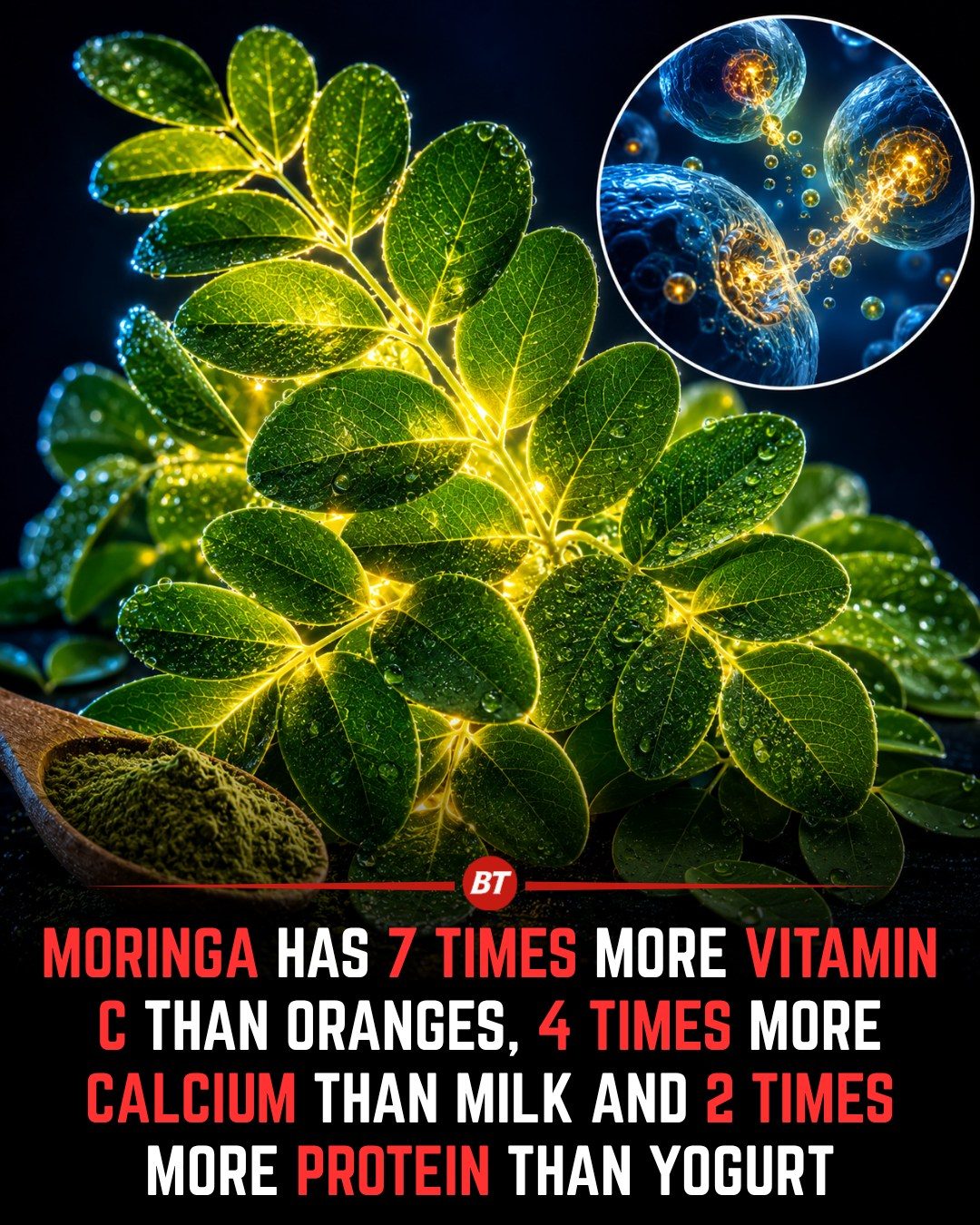
Moringa: The Miracle Tree
Moringa, a plant that has been celebrated for centuries, is often hailed as the "miracle tree" due to the exceptional nutritional content locked within its leaves. Originating from the subtropical regions of Asia, Africa, and parts of South America, moringa has been a staple in traditional wellness practices and cuisine for its rich profile of vitamins, minerals, antioxidants, and plant protein.
Context / Why this matters
The nutritional potency of moringa leaves makes them one of the most nutrient-dense greens available. This plant is not just a food source; its extensive health benefits have garnered significant scientific interest. Moringa is a powerhouse of essential nutrients, including vitamin C, calcium, potassium, iron, and essential amino acids. These nutrients, combined with antioxidants like quercetin, chlorogenic acid, and kaempferol, help protect cells from oxidative stress and bolster overall health. Unlike many other leafy greens, moringa offers a unique blend of vitamins, minerals, and protein, making it a valuable addition to diets, especially in regions where nutritional deficiencies are prevalent.
Incorporating moringa into your diet is straightforward. Its versatility allows it to be easily added to various dishes, from smoothies and soups to teas and stir-fries. A small serving can provide a concentrated boost of essential vitamins, minerals, and antioxidants, enhancing your overall nutrition and health.
Main discussion
Nutritional Powerhouse
Moringa leaves are packed with a variety of essential nutrients, making them a standout in the world of health supplements. Here’s a closer look at the impressive nutritional profile of moringa:
-
Vitamin C: Moringa leaves contain significantly more vitamin C than oranges, making it an excellent source of this essential nutrient. Vitamin C is crucial for immune function, collagen production, and overall cellular health.
-
Calcium: With four times more calcium than milk, moringa is a plant-based alternative for those looking to boost their calcium intake. Calcium is vital for bone health, muscle function, and nerve signaling.
-
Protein: Moringa leaves offer twice the amount of protein found in yogurt, making it a valuable source of plant-based protein. Protein is essential for muscle repair, growth, and overall bodily functions.
Beyond these key nutrients, moringa leaves are also rich in potassium, iron, and essential amino acids. These elements are critical for various bodily functions, including heart health, blood pressure regulation, and oxygen transport.
Antioxidant Benefits
One of the standout features of moringa is its high antioxidant content. Antioxidants like quercetin, chlorogenic acid, and kaempferol help protect cells from oxidative stress, which can lead to chronic diseases. By neutralising harmful free radicals, these antioxidants support overall health and well-being.
Potential Health Benefits
Research has explored the potential health benefits of moringa beyond its nutritional content. Some studies suggest that moringa may play a role in supporting healthy blood sugar levels, reducing inflammation, and promoting cardiovascular health. While more human research is needed to confirm these benefits, the existing evidence is promising.
Practical tips
Adding Moringa to Your Diet
Incorporating moringa into your diet is simple and versatile. Here are a few practical ways to enjoy its benefits:
-
Smoothies and Juices: Add a spoonful of moringa powder to your favorite smoothie or juice recipe. This is an easy way to enhance your drink’s nutritional profile without altering the taste significantly.
-
Soups and Stews: Include moringa leaves or powder in your soups and stews. The subtle flavor of moringa blends well with various ingredients, making it a seamless addition to your meals.
-
Teas and Infusions: Steep moringa leaves in hot water to make a nutritious tea. You can also blend it with other herbs and spices to create a flavorful infusion.
-
Salads and Stir-Fries: Fresh moringa leaves can be added to salads and stir-fries. Their slightly peppery flavor complements a variety of dishes, adding both nutrition and texture.
-
Baked Goods: For a nutritious twist, mix moringa powder into baked goods like muffins, bread, and pancakes. This is a great way to sneak in extra nutrients for the whole family.
Dosage and Preparation
When using moringa, it’s important to consider the dosage and preparation methods to maximise its benefits. Here are some guidelines:
-
Fresh Leaves: Use fresh moringa leaves in salads, stir-fries, and soups. They can be chopped and added to dishes just like any other green leafy vegetable.
-
Dried Leaves: Dried moringa leaves can be rehydrated and used in teas, soups, and stews. They retain much of their nutritional value when dried and can be stored for longer periods.
-
Powder: Moringa powder is a convenient way to add moringa to your diet. It can be sprinkled on food or mixed into beverages. Opt for organic, non-GMO moringa powder for the best quality.
-
Dosage: The recommended dosage varies, but generally, 1-2 teaspoons of moringa powder or 1-2 cups of fresh or dried leaves per day is sufficient to reap its benefits. Always start with a smaller amount to assess your tolerance.
Important takeaways
Moringa’s nutritional profile and potential health benefits make it a valuable addition to any diet. Its high content of vitamins, minerals, antioxidants, and protein provides a comprehensive boost to overall health. Incorporating moringa into your daily routine can help enhance your nutritional intake and support various aspects of health, from immune function to cell protection.
Conclusion
Moringa's rich nutritional content and versatile uses make it a valuable addition to any diet. Whether you're looking to boost your vitamin and mineral intake, increase your protein consumption, or enjoy the benefits of antioxidants, moringa offers a natural and effective solution. By incorporating moringa into your meals, you can enhance your overall nutrition and support your body's health and wellness.
Watch the Reel
Questions readers ask
What are the key vitamins found in moringa leaves?
Moringa leaves are notably rich in vitamin C, which is essential for immune function and skin health. They also contain significant amounts of vitamin A, which supports vision and cell growth, as well as various B vitamins that aid in energy production and metabolism.
How does the mineral content of moringa compare to other foods?
Moringa leaves are exceptionally high in minerals like calcium and iron. In fact, one cup of dried moringa leaves contains more calcium than a cup of milk and more iron than a cup of spinach, making it a valuable addition to a balanced diet.
What antioxidants are present in moringa and why are they important?
Moringa is packed with powerful antioxidants such as quercetin, chlorogenic acid, and kaempferol. These compounds help combat oxidative stress in the body, which can reduce inflammation and lower the risk of chronic diseases.
How much protein can be found in moringa leaves?
Moringa leaves are a good source of plant-based protein, containing all nine essential amino acids. They provide about 9 grams of protein per 100 grams of fresh leaves, making them a valuable option for those following a plant-based diet or looking to increase their protein intake.
What are the potential health benefits of consuming moringa leaves?
Regular consumption of moringa leaves may support a range of health benefits, including improved immune function, better digestion, and enhanced heart health. The high antioxidant content may also help reduce inflammation, while the rich mineral profile can aid in bone health and energy levels.
How can moringa leaves be incorporated into a daily diet?
Moringa leaves can be easily added to smoothies, salads, soups, and stews. They can also be dried and powdered to make a nutritious supplement. This versatility makes it simple to integrate moringa into various meals and snacks throughout the day.
How do moringa nutrients compare to those in other superfoods?
Moringa stands out among other superfoods due to its exceptionally high nutrient density. While foods like kale and spinach are also nutrient-rich, moringa often surpasses them in terms of vitamin and mineral content, especially in vitamins like C, A, and essential minerals like calcium and iron.
Related deep dives
Similar reads based on topic and creator.




Recent articles
Fresh deep dives from the latest Reels we unpacked.




Comments
Be the first to comment.