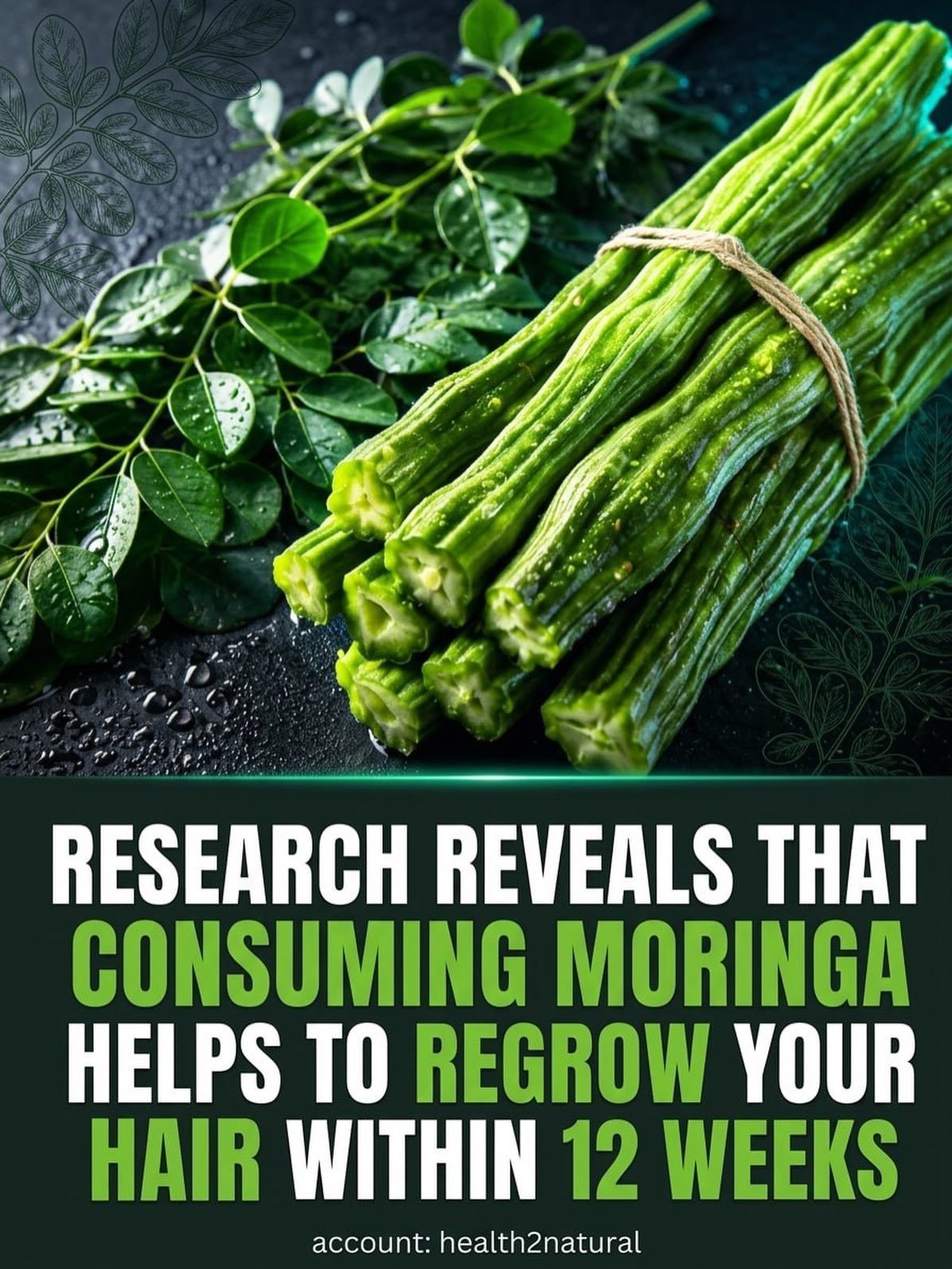
Moringa for Hair Regrowth
Moringa, often hailed as a superfood, is gaining attention for its potential benefits on hair health. While not a guaranteed 12-week cure for baldness, moringa's nutrient profile makes it a compelling candidate for supporting hair growth. Let's explore the science behind moringa, its nutritional content, and practical ways to incorporate it into your diet.
Context / Why this matters
Hair loss affects millions of people worldwide. It can be caused by a variety of factors, including genetics, hormonal changes, medical conditions, and nutritional deficiencies. While there are numerous treatments available, many people are turning to natural remedies like moringa to support hair health.
Main discussion
The Nutritional Powerhouse
Moringa leaves are packed with essential nutrients that can support overall health and, potentially, hair growth. Here are some key nutrients found in moringa:
- Iron: Essential for the production of hemoglobin, which carries oxygen to the body's tissues, including the hair follicles.
- Zinc: Plays a crucial role in hair tissue growth and repair. Zinc deficiency has been linked to hair loss.
- Vitamins A, C, and E: These vitamins are potent antioxidants that can protect the hair follicles from damage and support the production of sebum, which keeps the scalp healthy.
- Antioxidants: Moringa is rich in antioxidants, which can help combat oxidative stress, a contributing factor to hair loss.
The Science Behind Moringa and Hair Growth
Research suggests that moringa's nutrient-dense profile may help address hair loss related to nutrient deficiencies. A study published in the Journal of Cosmetic Dermatology found that moringa leaf extract promoted hair growth in animal models. While human studies are limited, the existing evidence points to moringa's potential benefits for hair health.
It's important to note that while moringa may support hair growth, it is not a guaranteed cure for baldness. More research is needed to fully understand its effects on human hair regrowth.
How Moringa May Help
Moringa's benefits for hair health can be attributed to several factors:
- Nutrient Density: Moringa leaves are densely packed with nutrients that support overall health, including hair health.
- Antioxidant Properties: The antioxidants in moringa can help protect hair follicles from damage and promote a healthy scalp.
- Anti-Inflammatory Effects: Moringa has anti-inflammatory properties that can soothe the scalp and reduce inflammation, which is often a contributing factor to hair loss.
Practical Tips
Incorporating Moringa into Your Diet
Moringa leaves can be easily incorporated into your daily diet. Here are a few ideas:
- Tea: Brew moringa leaves into a tea. Simply steep a handful of leaves in hot water for a few minutes, then strain and enjoy.
- Smoothies: Add moringa powder to your morning smoothie for an extra nutritional boost.
- Salads: Chop fresh moringa leaves and add them to your salads for a nutritious tang.
- Soups and Stews: Include moringa leaves in your soups and stews for added flavor and nutrients.
Topical Application
While consuming moringa is the primary method for reaping its benefits, some people also use moringa oil topically. Moringa oil is rich in vitamins and antioxidants that can nourish the scalp and promote hair health. You can massage moringa oil into your scalp before washing your hair.
Important Takeaways
- Moringa is a nutrient-dense food that may support hair growth.
- It contains essential nutrients like iron, zinc, vitamins A, C, and E, and antioxidants.
- While moringa shows promise in supporting hair health, more human studies are needed to confirm its benefits.
- Incorporating moringa into your diet through food or supplements can be a simple and natural way to support hair health.
Conclusion
Moringa offers a variety of nutrients that can support overall health, including hair health. While it is not a guaranteed cure for baldness, its nutrient-dense profile and antioxidant properties make it a valuable addition to a balanced diet. By incorporating moringa into your daily routine, you may see improvements in your hair health over time. However, it's always a good idea to consult with a healthcare provider before making significant dietary changes, especially if you have underlying health conditions or are taking medications.
Watch the Reel
Questions readers ask
How does moringa promote hair regrowth?
Moringa supports hair regrowth by providing essential nutrients like iron, zinc, and vitamins A, C, and E. These nutrients nourish hair follicles, encourage tissue growth, and protect hair from damage. By addressing potential deficiencies, moringa can help create an optimal environment for hair growth.
Can moringa help with thinning hair?
Yes, moringa's rich nutrient profile can help address nutritional deficiencies that contribute to thinning hair. The iron and zinc in moringa, for instance, support hair tissue growth and help maintain healthy hair follicles, which can lead to improved hair thickness over time.
How quickly can I expect to see results from using moringa for hair regrowth?
Results can vary depending on individual factors such as the cause of hair loss and overall health. While some people may notice improvements within a few weeks, it's important to continue using moringa consistently for several months to see significant changes in hair growth and thickness.
What are the best ways to incorporate moringa into my diet for hair health?
You can incorporate moringa into your diet by adding dried moringa leaves to soups, smoothies, or salads. Moringa powder can also be mixed into yogurt, oatmeal, or even baked goods. Additionally, moringa oil can be applied topically to the scalp to promote hair health.
Is moringa a guaranteed cure for baldness?
No, moringa is not a guaranteed cure for baldness. While it can support hair health and regrowth by providing essential nutrients, it may not address all underlying causes of hair loss, such as genetic factors or hormonal imbalances. It is best used as part of a holistic approach to hair care.
Which nutrients in moringa are most beneficial for hair?
Moringa's iron content supports hair tissue growth and helps prevent hair loss due to iron deficiency. The zinc in moringa promotes hair tissue repair and growth, while vitamins A, C, and E protect hair follicles from damage and support a healthy scalp environment.
Can moringa help with other hair issues besides regrowth?
In addition to promoting hair regrowth, moringa can help with other hair issues such as dryness, brittleness, and scalp conditions. The vitamin E in moringa acts as an antioxidant, reducing oxidative stress on the scalp, while the anti-inflammatory properties of moringa can help soothe scalp irritation and inflammation.
Related deep dives
Similar reads based on topic and creator.

Recent articles
Fresh deep dives from the latest Reels we unpacked.




Comments
Be the first to comment.