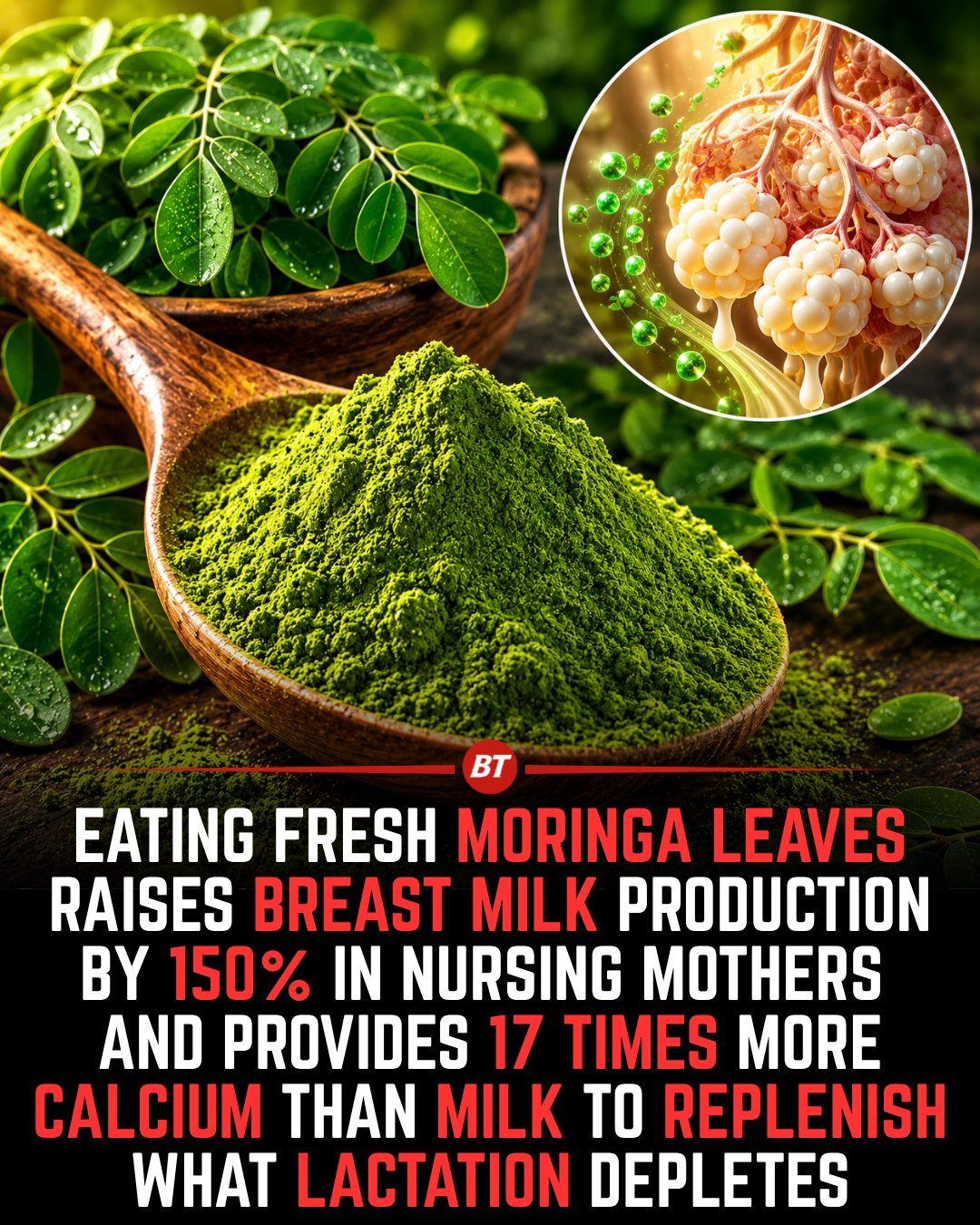
Moringa and Breast Milk Production
Moringa leaves, often referred to as the "mother's best friend" in many parts of the world, have long been recognized for their potential to support breast milk production. This nutrient-dense leafy green is exceptionally rich in essential vitamins and minerals, making it a valuable addition to the diet of nursing mothers.
Why This Matters
For nursing mothers, maintaining adequate breast milk production is crucial for the health and development of their infants. Moringa offers a natural way to support lactation, which can be particularly beneficial during the demanding months of early motherhood.
Understanding Moringa's Benefits
Nutritional Profile
Moringa is packed with a wide array of nutrients, including calcium, iron, potassium, vitamin A, vitamin C, protein, and essential amino acids. This rich nutrient profile makes it one of the most nutrient-dense leafy greens available. These nutrients are essential for both maternal health and the production of high-quality breast milk.
Galactagogues
Researchers have identified moringa as a potential galactagogue, a substance that may help support milk production. Clinical studies have shown that women who consume moringa leaf preparations produce significantly more breast milk than those who do not. One notable study published in the Philippine Journal of Pediatrics found that mothers who received moringa showed increased milk production during the early postpartum period. The researchers believe that moringa's rich nutrient content and plant compounds that influence hormones involved in milk production contribute to this effect.
Calcium and Other Minerals
One of the standout benefits of moringa is its high calcium content. In fact, moringa provides 17 times more calcium than milk. This is particularly important during breastfeeding, as a mother's nutritional demands are significantly increased. The high calcium content in moringa helps replenish what lactation depletes, ensuring that both the mother and the infant receive the necessary nutrients.
Practical Tips for Incorporating Moringa
Fresh Moringa Leaves
Fresh moringa leaves can be incorporated into various dishes. They can be added to soups, omelets, smoothies, or stir-fries. Many nursing mothers find that incorporating moringa regularly as part of a nutrient-rich diet supports both maternal health and breastfeeding.
Moringa Powder
For convenience, moringa powder can be used as a supplement. It can be mixed into smoothies, juices, or even sprinkled on top of meals. Moringa powder retains the same nutritional benefits as fresh leaves, making it a practical option for busy mothers.
Moringa Tea
Another popular method is brewing moringa leaves as a tea. This can be a soothing and hydrating way to consume moringa, especially for mothers who enjoy herbal teas. The tea can be consumed throughout the day to maintain a steady intake of moringa's beneficial nutrients.
Important Takeaways
Moringa's potential as a galactagogue is supported by clinical studies, highlighting its effectiveness in increasing breast milk production. Its rich nutritional profile, including high calcium content, makes it a valuable addition to the diet of nursing mothers. Incorporating moringa into daily meals or as a supplement can support both maternal health and lactation.
Conclusion
Moringa leaves have long been celebrated for their health benefits, particularly in supporting breast milk production. With its rich nutrient content and potential as a galactagogue, moringa offers a natural and effective way for nursing mothers to enhance their lactation experience. By incorporating moringa into their diet through fresh leaves, powder, or tea, mothers can ensure they are providing the best possible nutrition for both themselves and their infants.
Watch the Reel
Questions readers ask
How does moringa support breast milk production?
Moringa leaves are recognized as a galactagogue, which means they may help stimulate and increase breast milk production. This is particularly beneficial for nursing mothers looking to boost their milk supply naturally. The rich nutrient profile of moringa also supports overall maternal health, which can indirectly enhance lactation.
What are the key nutrients in moringa that benefit nursing mothers?
Moringa is packed with essential nutrients such as calcium, iron, and potassium, all of which are crucial for nursing mothers. Calcium, for instance, is vital for bone health and milk production, while iron helps prevent anemia, a common concern for new mothers. Additionally, the high protein content in moringa supports both maternal recovery and milk production.
Can moringa be consumed in different forms while breastfeeding?
Yes, moringa can be incorporated into a nursing mother's diet in various forms. Moringa leaves can be added to salads, soups, or smoothies. Moringa powder is also available and can be mixed into drinks or food. Moringa tea is another popular option, making it easy to integrate into a daily routine.
When is the best time to start consuming moringa for lactation support?
Moringa can be consumed at any stage of breastfeeding, but many mothers find it most beneficial to start incorporating it into their diet a few weeks after childbirth. This allows the body to recover from delivery and adjust to breastfeeding. However, it's always a good idea to consult with a healthcare provider before making significant dietary changes during breastfeeding.
Are there any potential side effects of consuming moringa while breastfeeding?
While moringa is generally considered safe, some individuals may experience side effects such as upset stomach or allergic reactions. It's important to start with a small amount and gradually increase intake to monitor your body's response. If you experience any adverse effects, discontinue use and consult a healthcare provider.
How much moringa should a nursing mother consume to boost milk production?
There isn't a one-size-fits-all answer to this question, as individual needs and responses to moringa can vary. However, some studies suggest that consuming 2-3 cups of moringa tea or 1-2 teaspoons of moringa powder daily may help support milk production. It's essential to listen to your body and adjust the amount as needed, while also considering the advice of a healthcare provider.
Can moringa help with other aspects of breastfeeding besides milk supply?
Yes, beyond boosting milk production, moringa's nutrient-dense profile can support overall maternal health during breastfeeding. Its high vitamin and mineral content can help combat fatigue, support immune function, and aid in postpartum recovery. Additionally, the antioxidants in moringa may help reduce inflammation and support overall well-being.
Related deep dives
Similar reads based on topic and creator.




Recent articles
Fresh deep dives from the latest Reels we unpacked.




Comments
Be the first to comment.