Rock Crushing in Mining Operations
The rock crushing process is a critical component of modern mining and quarry operations. This process involves the use of powerful machinery to break down large rocks into smaller, manageable pieces. The efficiency and effectiveness of rock crushing directly impact the overall productivity and profitability of mining operations.
Why This Matters
Efficient rock crushing is essential for several reasons. Firstly, it ensures that the material can be easily transported and processed. Secondly, it reduces the amount of waste produced during mining. Thirdly, effective rock crushing minimizes the environmental impact of mining operations by reducing dust and noise pollution.
The Twin-Shaft Mineral Sizer: A Key Tool
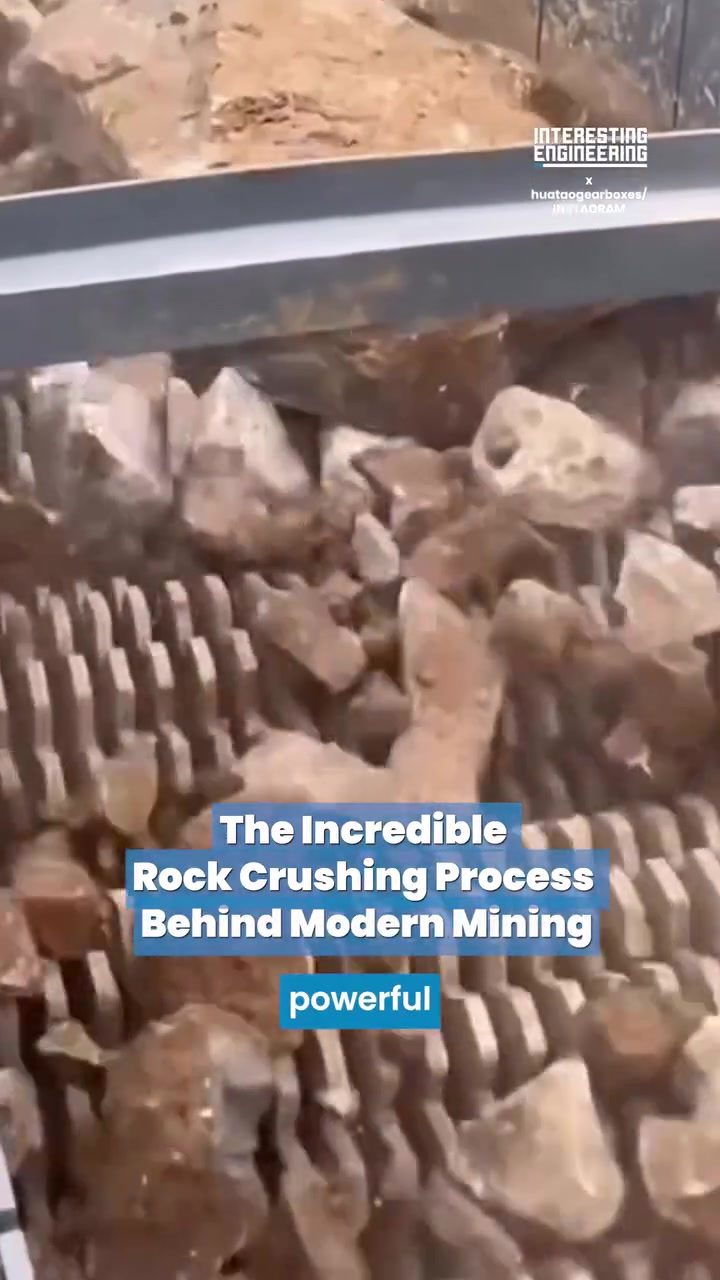
One of the key tools used in rock crushing is the twin-shaft mineral sizer. This powerful machine uses a combination of slow-speed, high-torque rotating teeth to grip, shear, and crush oversized rocks into smaller, uniform pieces. The design of the twin-shaft mineral sizer allows it to handle large rocks efficiently, making it a valuable asset in mining and quarry operations.
Slow Speed, High Torque Technology
The slow speed, high-torque design of the twin-shaft mineral sizer is crucial for its effectiveness. This design allows the machine to exert a significant amount of force on the rocks, breaking them down into smaller pieces with minimal wear and tear on the equipment. The slow speed also helps to minimize dust production, which is beneficial for both environmental and safety reasons.
Rotating Teeth and Grip
The rotating teeth of the twin-shaft mineral sizer are designed to grip and shear the rocks, ensuring that they are broken down into uniform pieces. This consistency is important for the efficiency of secondary crushing processes. The grip and shear action of the rotating teeth also help to reduce the amount of waste produced, as the rocks are broken down more efficiently.
Minimizing Dust and Wear
One of the significant advantages of using a twin-shaft mineral sizer is its ability to minimize dust and wear. The slow speed and high torque design, combined with the rotating teeth, allow the machine to break down rocks with minimal dust production. This is beneficial for both environmental and safety reasons, as it reduces the amount of dust that is released into the air and minimizes the impact on the surrounding environment.
The Rock Crushing Process
The rock crushing process involves several stages, each of which plays a crucial role in the overall efficiency of the operation. Understanding these stages can help to optimize the process and improve overall productivity.
Primary Crushing
Primary crushing is the first stage of the rock crushing process. In this stage, large rocks are fed into a crusher, where they are broken down into smaller pieces. The twin-shaft mineral sizer is often used in this stage due to its ability to handle large rocks efficiently.
Secondary Crushing
Secondary crushing is the second stage of the rock crushing process. In this stage, the smaller pieces of rock produced by the primary crusher are further broken down into even smaller pieces. The consistency of the feed size for secondary crushers is crucial for the efficiency of this stage. The twin-shaft mineral sizer helps to create a consistent feed size, improving the efficiency of the secondary crushing process.
Material Handling
Material handling is an essential aspect of the rock crushing process. The efficiency of material handling can significantly impact the overall productivity of the operation. The twin-shaft mineral sizer helps to improve material handling performance by creating a consistent feed size and reducing the amount of waste produced.
Practical Tips for Effective Rock Crushing
Here are some practical tips to help optimize the rock crushing process:
Regular Maintenance
Regular maintenance of the rock crushing equipment is essential for ensuring its efficiency and longevity. This includes checking the rotating teeth for wear and tear, lubricating moving parts, and replacing worn-out components.
Operator Training
Proper training of operators is crucial for the effective use of rock crushing equipment. Operators should be familiar with the equipment's capabilities, limitations, and safety procedures. Regular training sessions can help to ensure that operators are using the equipment correctly and safely.
Optimizing Feed Size
Optimizing the feed size for the rock crusher can significantly improve the efficiency of the process. This involves ensuring that the rocks fed into the crusher are of a suitable size and consistency. The twin-shaft mineral sizer can help to achieve this by breaking down rocks into uniform pieces.
Monitoring Wear and Tear
Monitoring the wear and tear on the rock crushing equipment is essential for ensuring its longevity and efficiency. This includes checking the rotating teeth for signs of wear and replacing them as needed. Regular monitoring can help to prevent equipment breakdowns and extend the lifespan of the equipment.
Important Takeaways
The rock crushing process is a critical component of modern mining and quarry operations. The twin-shaft mineral sizer is a valuable tool in this process, thanks to its slow-speed, high-torque design and rotating teeth. This machine minimizes dust and wear, improves material handling performance, and ensures a consistent feed size for secondary crushers.
Regular maintenance, operator training, and monitoring of wear and tear are essential for optimizing the rock crushing process. By following these practical tips, mining and quarry operators can improve the efficiency and productivity of their operations, while also minimizing the environmental impact.
Conclusion
The rock crushing process is a complex and multifaceted operation that requires careful planning and execution. The twin-shaft mineral sizer, with its unique design and capabilities, plays a crucial role in this process. By understanding the various stages of rock crushing and implementing practical tips for optimizing the process, mining and quarry operators can achieve greater efficiency and productivity.
Watch the Reel
Questions readers ask
What is a twin-shaft mineral sizer and how does it work in mining?
A twin-shaft mineral sizer is a powerful tool used in mining for efficient rock crushing. It operates using two interlocking shafts with rotating teeth that move at a slow speed with high torque, applying a shear force to break down rocks into smaller pieces.
How does the slow-speed, high-torque mechanism benefit rock crushing?
The slow-speed, high-torque mechanism in a mineral sizer ensures a consistent and efficient crushing process. This method reduces the wear and tear on the machine's teeth and minimizes dust and noise pollution, contributing to a more sustainable mining operation.
What role does grip force play in the rock crushing process?
Grip force is crucial in the rock crushing process as it helps the mineral sizer securely hold and break down the rocks. Twin-shaft sizers use grip force to maintain control over the material, ensuring efficient and consistent crushing.
How does efficient rock crushing enhance mining productivity?
Efficient rock crushing enhances mining productivity by reducing the size of rocks to manageable pieces, making them easier to transport and process. This leads to faster material handling and reduced downtime, ultimately improving overall mining operations.
What are the maintenance considerations for the teeth of a mineral sizer?
The teeth of a mineral sizer are subject to wear and tear, so regular maintenance is essential. Inspecting and replacing worn teeth as needed helps maintain the sizer's efficiency and ensures consistent rock crushing performance.
Recent articles
Fresh deep dives from the latest Reels we unpacked.




Comments
Be the first to comment.