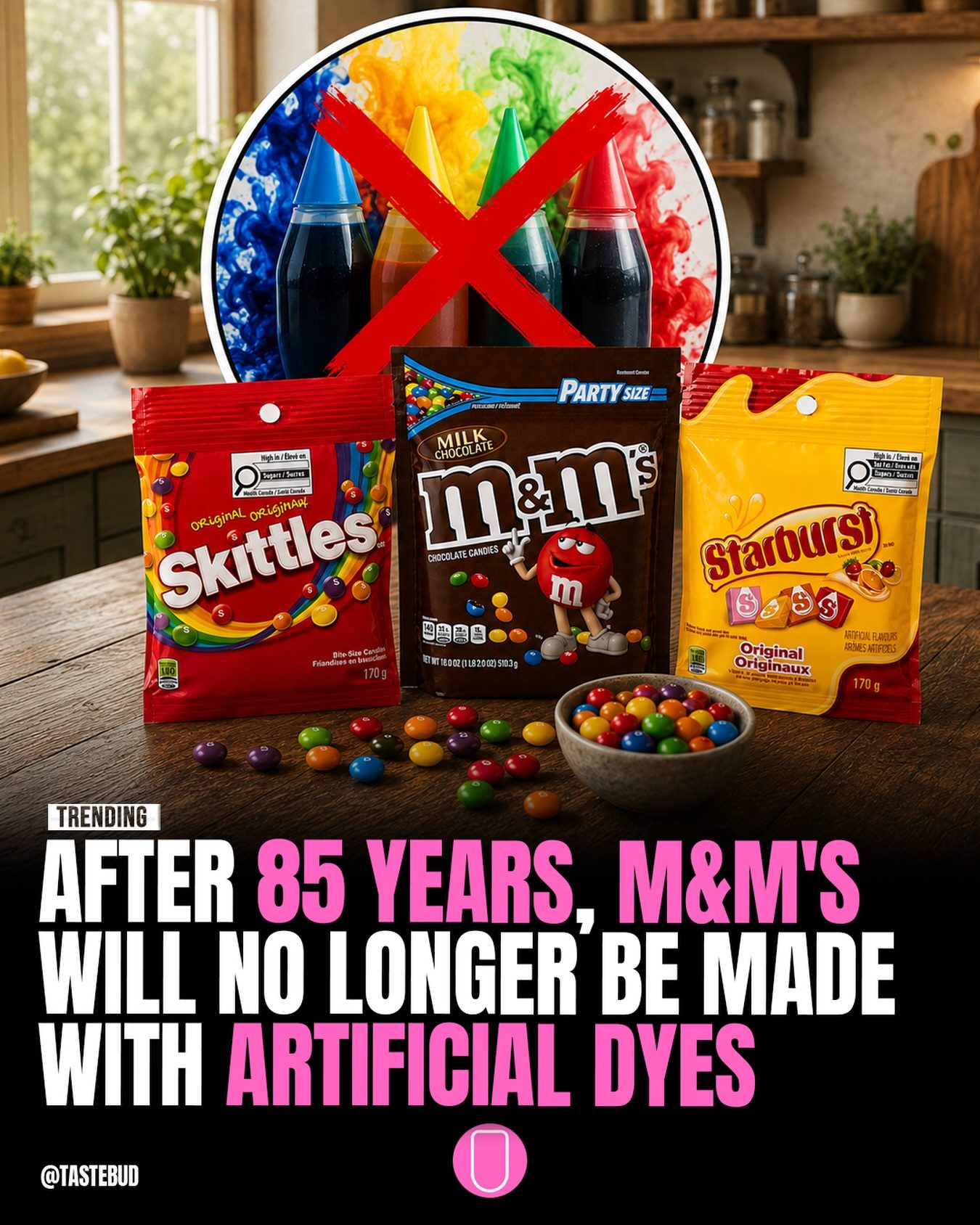
The Shift to Natural Colors in Candy
The candy industry is undergoing a significant transformation. Mars, Inc., the makers of M&M’s, Skittles, and Starburst, has announced that select versions of these popular candies will no longer be made with artificial food dyes. This is a major shift for brands that have relied on synthetic colors for decades. The change is part of a broader movement in the food industry toward using cleaner, more natural ingredients.
Why This Matters
As consumers become more health-conscious, the demand for natural and transparent ingredients has increased. Food manufacturers are responding to this trend by reformulating products to meet these new expectations. Mars’ decision to phase out artificial dyes in some of its flagship brands is a clear signal of this shift. While the change may take some time, as recreating iconic colors with natural alternatives can be challenging, it marks a significant step forward in the quest for more natural food products.
The Impact on Iconic Brands
M&M’s
M&M’s, one of the most recognizable candy brands globally, has long been known for its vibrant, artificial colors. The decision to remove artificial dyes from select versions of M&M’s is a bold move. The challenge lies in maintaining the visual appeal that consumers have come to love while transitioning to natural colors. The company has assured that the flavors and textures will remain the same, focusing on the visual presentation as the primary concern.
Skittles
Skittles, another beloved candy, is also making the switch to natural dyes. The bright, fruity flavors are a staple in the candy world, and the brand’s colorful appearance is a big part of its appeal. Like M&M’s, Skittles will gradually replace synthetic colors with natural alternatives. This transition will allow the brand to stay true to its playful, colorful identity while aligning with consumer preferences for natural ingredients.
Starburst
Starburst, known for its chewy texture and fruity flavors, will also undergo this change. The brand’s iconic colors are part of its identity, and finding natural alternatives that match the visual appeal might be difficult. However, the gradual rollout ensures that the transition will be smooth and that consumers will have time to adapt to the new look.
Practical Tips for Candy Lovers
If you’re a fan of these candies, here are a few tips to help you navigate the changes:
-
Stay Informed: Keep an eye on product packaging and labels for updates on the transition. The change will happen gradually, so it might take some time for all products to be reformulated.
-
Try the New Versions: When you see the new packaging, give it a try. The flavors and textures will remain the same, and the natural dyes may offer a unique twist to the traditional taste.
-
Explore Other Natural Alternatives: If you’re looking for candies made without artificial dyes, there are plenty of natural and organic options on the market. Brands like YumEarth and Unreal Candy offer natural alternatives that are free from artificial dyes and other additives.
Important Takeaways
The shift to natural dyes in candy brands like M&M’s, Skittles, and Starburst is a significant step towards cleaner, more transparent ingredients in the food industry. While the transition may present challenges, it reflects a growing consumer demand for natural products. This change is part of a broader trend in the food industry, where companies are reformulating their products to meet evolving consumer preferences.
The Future of Candy
The future of candy is likely to see more natural and transparent ingredients. As more brands follow suit, we can expect a wider range of naturally colored candies to hit the shelves. This shift not only caters to consumer preferences but also aligns with broader health and wellness trends. The gradual rollout ensures that manufacturers have the time to perfect their recipes and that consumers can adapt to the changes without feeling overwhelmed.
The shift to natural dyes in candies like M&M’s, Skittles, and Starburst is a positive move towards cleaner, more natural ingredients. This change reflects the evolving tastes and preferences of consumers, who are increasingly seeking out products that align with their health and wellness goals. As the food industry continues to adapt, we can expect more natural and transparent ingredients to become the norm.
Watch the Reel
Questions readers ask
Why are candy brands like M&M's, Skittles, and Starburst moving away from artificial food dyes?
These candy brands are transitioning to natural coloring in response to increasing consumer demand for healthier, more transparent ingredients. Consumers are seeking out products with cleaner labels, and these brands are adapting to meet that demand.
What types of natural colors are being used to replace artificial food dyes?
Natural colors are derived from sources like fruits, vegetables, and spices. Common natural colors being used in candy include turmeric, beetroot, and annatto. These natural alternatives provide a similar color spectrum to artificial dyes.
How will the taste and appearance of candies change with the shift to natural dyes?
The taste and appearance of candies may slightly change with the shift to natural dyes, as natural colors can have a unique flavor profile. However, companies like Mars, Inc. are working to ensure the taste and appearance remain consistent with what consumers expect. You may notice slight differences in color intensity and shade, but the overall appeal of these candies is likely to remain unchanged.
Are there other candy brands following this trend towards natural food coloring?
Yes, the shift towards natural food coloring is a broader trend in the candy industry. Many brands are reformulating their products to align with consumer preferences for natural, more transparent ingredients. Some examples include brands like Jelly Belly and Hershey’s, which have also made strides in removing artificial dyes from their products.
Is this change permanent, or are these just limited-time offerings?
The transition to natural coloring is intended to be a permanent change for these brands. Mars, Inc. has announced that select versions of M&M's, Skittles, and Starburst will no longer be made with artificial food dyes, indicating a long-term commitment to this new formulation.
Are there any challenges associated with using natural food coloring in candy?
Using natural food coloring in candy can present challenges such as color stability and consistency. Natural colors can be more sensitive to light, heat, and pH levels, which may affect their vibrant appearance over time. Manufacturers are continually working to overcome these hurdles to ensure the quality and appeal of their products.
Related deep dives
Similar reads based on topic and creator.



Recent articles
Fresh deep dives from the latest Reels we unpacked.




Comments
Be the first to comment.