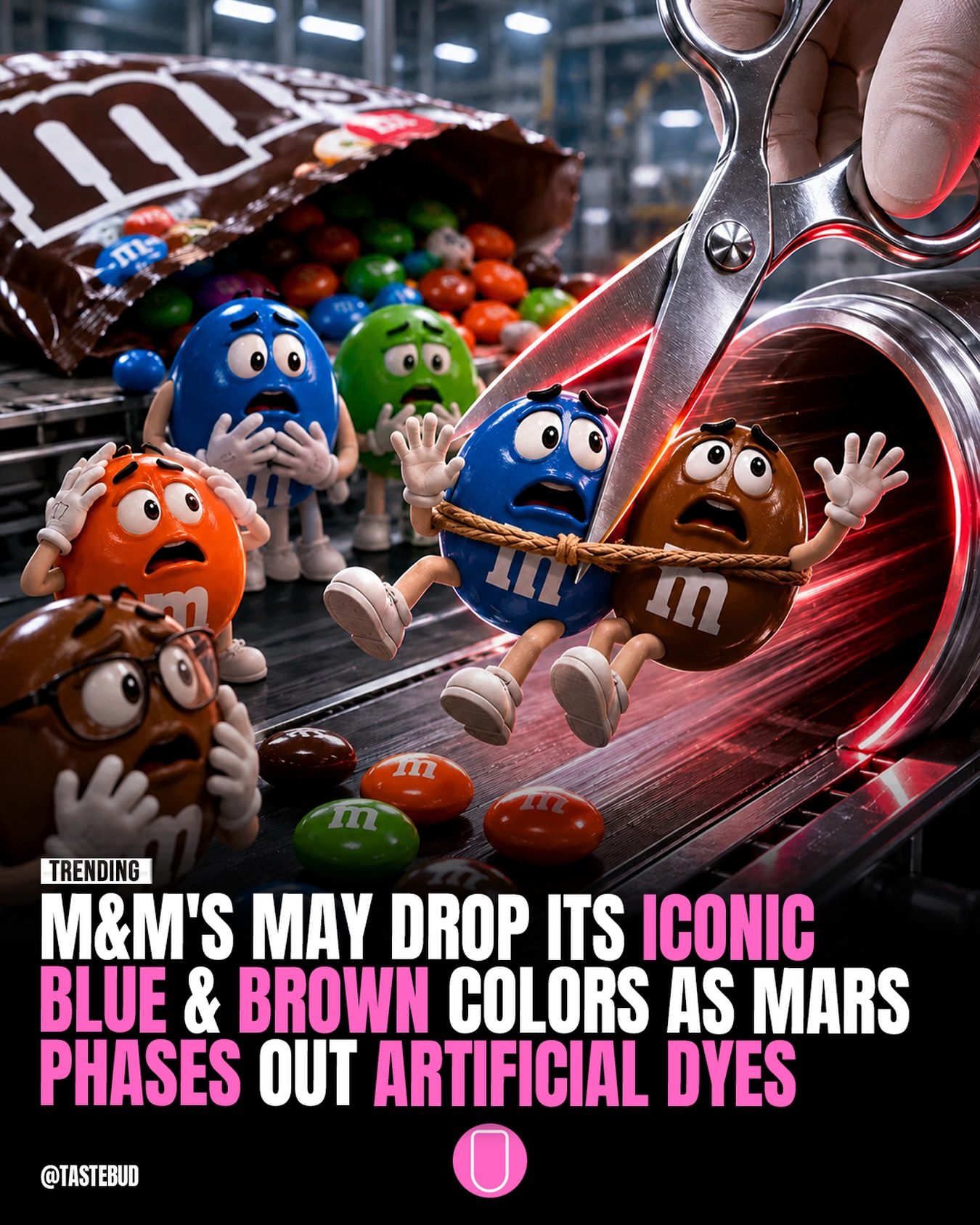
The Shift in M&M's Color Palette and the Drive Toward Natural Ingredients
M&M's, the iconic candy, is undergoing a significant transformation as it approaches its 85th anniversary. The beloved candy is reportedly moving away from artificial dyes, which could result in changes to its classic color palette. This shift is part of a broader trend in the food industry toward more natural ingredients, driven by consumer demand for healthier options.
Why This Matters
The potential change in M&M's colors is more than just a cosmetic update; it reflects a broader trend in the food industry toward cleaner, more natural ingredients. As consumers become more health-conscious, there is a growing demand for products that are free from artificial additives. M&M's, owned by Mars, is responding to this demand by phasing out artificial dyes in its candy. This move could have significant implications for the candy industry and consumer preferences.
The Impact of Artificial Dyes
Artificial dyes have long been a controversial topic in the food industry. These synthetic colorants are used to enhance the visual appeal of foods and beverages, but they have been linked to various health concerns, including hyperactivity in children, allergic reactions, and even cancer. As a result, many consumers are seeking out products that are free from artificial dyes and other synthetic additives.
The move away from artificial dyes is part of a broader trend in the food industry toward more natural ingredients. This trend is driven by consumer demand for healthier, more natural products, as well as by regulatory pressures and industry initiatives to promote transparency and sustainability. As consumers become more informed about the potential health risks of artificial dyes, they are increasingly seeking out products that are free from these additives.
The Classic Colors of M&M's
M&M's are known for their vibrant colors and distinctive shapes, but these colors are more than just a visual feature; they are an integral part of the brand's identity. The classic M&M's colors—red, yellow, green, brown, and blue—have become synonymous with the brand, and any changes to these colors would be a significant departure from tradition.
The potential removal of the iconic blue and brown colors would be a major shift for the brand. These colors have been a staple of M&M's since their introduction, and many consumers have grown up with these colors as part of their candy experience. However, with the shift away from artificial dyes, some classic colors may need to be removed or changed.
The Role of Natural Ingredients
The move toward more natural ingredients is a positive step for the candy industry and consumers alike. Natural ingredients are generally considered to be safer and healthier than synthetic additives, and they can provide a more authentic taste and texture to foods and beverages. Natural dyes, for example, can provide a range of colors and shades that are more closely aligned with natural ingredients.
Mars, the parent company of M&M's, has been investing in research and development to create natural dyes that can replicate the vibrant colors of artificial dyes. This effort is part of a broader initiative to promote transparency and sustainability in the food industry. Natural dyes can provide a range of benefits, including improved nutritional value and reduced health risks.
Consumer Reactions and Expectations
The potential change in M&M's colors has sparked a range of reactions among consumers, with some expressing nostalgia for the classic colors and others embracing the move toward healthier options. This divide reflects the broader debate in the food industry about the role of artificial additives and the importance of natural ingredients.
Some consumers are nostalgic for the classic colors of M&M's and may be resistant to changes that alter the visual identity of the candy. Others, however, are embracing the move toward healthier, more natural ingredients and are welcoming the changes as a positive step for the brand and the industry as a whole. The shift toward more natural ingredients is part of a broader trend in the food industry toward cleaner, healthier products, and consumers are increasingly seeking out brands that align with these values.
Practical Tips for Health-Conscious Candy Consumers
As consumers become more conscious of the ingredients in their food, there are several practical tips to keep in mind when choosing candy:
-
Read the Ingredients List: Before purchasing candy, take a moment to read the ingredients list. Look for products that are free from artificial dyes, flavors, and preservatives. Natural ingredients are generally considered to be safer and healthier than synthetic additives.
-
Choose Natural Alternatives: There are many natural alternatives to artificial dyes and flavors. Look for products that use natural dyes derived from fruits, vegetables, and other plant-based sources. These natural dyes can provide a range of colors and shades that are more closely aligned with natural ingredients.
-
Support Brands That Prioritize Natural Ingredients: As consumers, we have the power to influence the food industry by supporting brands that prioritize natural ingredients. By choosing products that are free from artificial additives, we can send a clear message to the industry about the importance of transparency and sustainability.
-
Stay Informed: Stay informed about the latest trends and developments in the food industry. As consumers, it's important to stay up-to-date on the latest research and regulations related to food safety and nutrition. This knowledge can help you make informed decisions about the products you choose to consume.
Important Takeaways
The potential change in M&M's colors is a significant development in the candy industry, reflecting a broader trend toward more natural ingredients. This shift is driven by consumer demand for healthier, more natural products, as well as by regulatory pressures and industry initiatives to promote transparency and sustainability. As consumers, it's important to stay informed about the latest trends and developments in the food industry and to make informed decisions about the products we choose to consume.
Conclusion
The potential change in M&M's color palette is a significant development in the candy industry, reflecting a broader trend toward more natural ingredients. As consumers become more health-conscious, there is a growing demand for products that are free from artificial additives. M&M's move away from artificial dyes is part of a broader trend in the food industry toward cleaner, healthier products, and it's an important step for the brand and the industry as a whole. By staying informed and making informed decisions, we can support this trend and promote a healthier, more sustainable food industry.
Watch the Reel
Questions readers ask
Why is M&M's changing its color palette?
M&M's is changing its color palette to accommodate the shift towards natural ingredients. The company is moving away from artificial dyes, which have been linked to health concerns, in response to consumer demand for healthier options.
What are the potential new colors for the M&M's palette?
The specific new colors have not been officially announced, but the shift towards natural ingredients suggests that the palette may become more muted or slightly different from the vibrant hues currently seen. These changes are necessary to ensure the candies maintain their characteristics while using natural dyes.
What are the health benefits of natural food dyes?
Natural food dyes are generally recognized to be healthier alternatives to artificial dyes. They may reduce the risk of allergic reactions and other potential health issues. Some natural dyes also offer additional nutritional benefits, as they are derived from plant-based sources.
When will M&M's complete its transition to natural ingredients?
The timeline for the complete transition has not been officially disclosed. The change is expected to be phased in gradually, with Mars, the company that owns M&M's, likely working to ensure the new formulation meets consumer expectations for taste and appearance.
How does this change align with broader industry trends?
This change aligns with a broader trend in the food industry towards more natural and healthier ingredients. Many consumers are seeking products free from artificial additives, driving companies to reformulate their offerings to meet this demand.
What are the potential challenges for M&M's in making this transition?
M&M's may face challenges in maintaining the candies' signature taste, texture, and appearance. Natural dyes can be more difficult to stabilize and may not provide the same vibrant colors as artificial dyes. Additionally, the transition process may involve extensive testing and reformulation.
Will M&M’s still have the same taste and texture with the new natural ingredients?
M&M's is dedicated to preserving its iconic taste and texture, and any changes to the ingredients are being made with this goal in mind. The company is working diligently to ensure the new formulation with natural ingredients is indistinguishable from the original.
Related deep dives
Similar reads based on topic and creator.




Recent articles
Fresh deep dives from the latest Reels we unpacked.




Comments
Be the first to comment.