The tiny robot that can crawl through your body
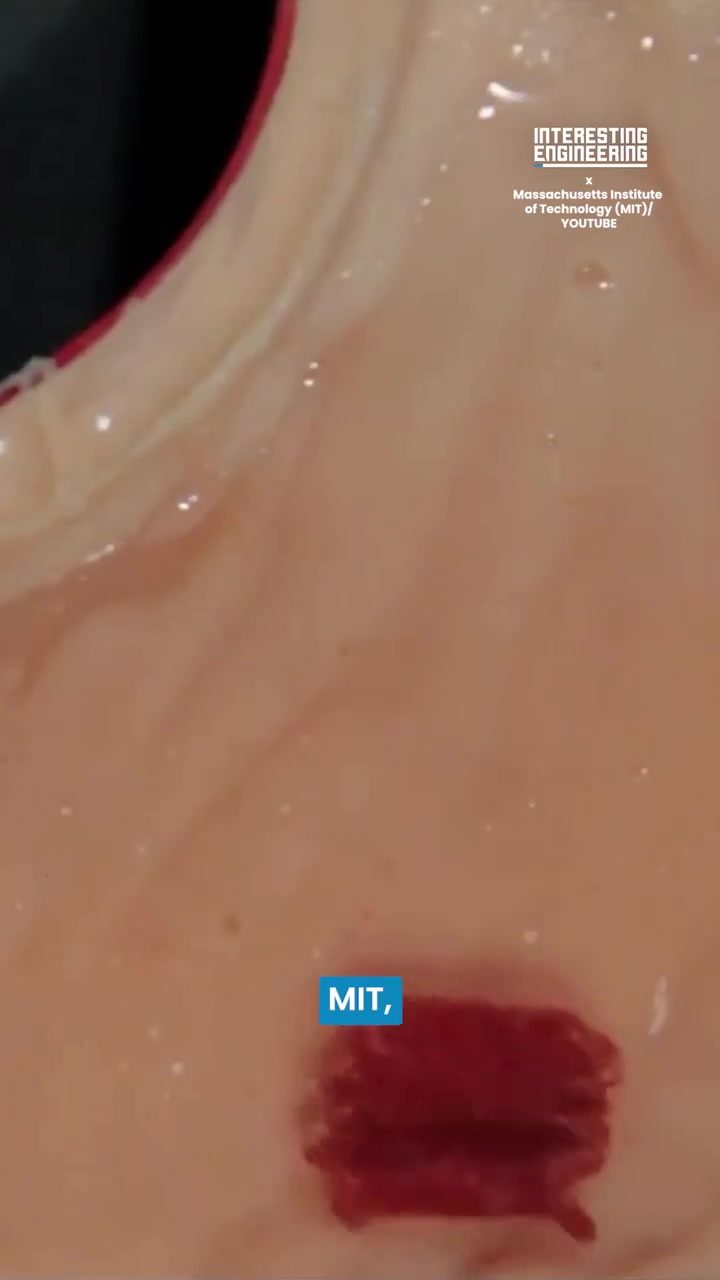
Swallowable robot technology is revolutionizing the way medical professionals approach internal procedures. Developed by researchers at the Massachusetts Institute of Technology (MIT) in collaboration with the University of Sheffield and the Tokyo Institute of Technology, this tiny origami robot unfolds inside the body, guided by external magnetic fields. This ingenious device can navigate the stomach lining to remove dangerous button batteries or deliver patches to small wounds. But how exactly does this work, and what are its potential applications?
Context: the rise of minimally invasive surgery
Minimally invasive surgery has been a significant advancement in medical technology, reducing recovery times and minimizing patient discomfort. Traditional endoscopy, for instance, allows doctors to examine and treat issues inside the body using instruments inserted through natural openings or small incisions. The swallowable robot takes this a step further by enabling even less invasive procedures. Instead of inserting instruments through the mouth, doctors can guide the robot through the digestive tract, allowing for more precise and less uncomfortable interventions.
The tiny robot
The tiny robot is a marvel of engineering, designed to unfold and function within the confines of the human body. Its origami-like design allows it to transform from a compact capsule to a functional robot capable of navigating the stomach lining.
How it works
The robot is folded into a capsule and swallowed. Once it reaches the stomach, it unfolds. Doctors then guide the robot using external magnetic fields, enabling it to crawl across the stomach lining. This allows for precise movements and targeted procedures.
Potential applications
The robot's ability to navigate the stomach lining has several potential applications:
Removing dangerous objects
One of the most immediate uses for this technology is the removal of dangerous objects, such as button batteries, that a child might accidentally swallow. These batteries can cause significant damage to the stomach lining if left untreated. The robot can precisely locate and remove these objects, minimizing the risk of internal damage.
Treating wounds
The robot can also deliver patches to small wounds, promoting faster healing and reducing the risk of infection. This is particularly useful for patients with internal injuries that would otherwise require invasive surgery to treat.
Practical tips for understanding this technology
While the technology is still in development, there are a few key points to understand:
Be patient
This technology is still in the early stages of development. While it shows great promise, it may be some time before it becomes widely available in hospitals and clinics. Staying informed about advancements in medical technology can help you understand when this might become a viable option for yourself or a loved one.
Talk to your doctor
If you have concerns about internal procedures, talk to your doctor about the latest advancements in medical technology. They can provide insights into how these technologies might be used in the future and whether they could be beneficial for your specific needs.
Important takeaways
The future of medical procedures
The swallowable robot represents a significant advancement in the field of minimally invasive surgery. By enabling doctors to perform procedures without traditional endoscopy, this technology could make medical interventions less invasive and more comfortable for patients.
Potential challenges
While the technology shows great promise, there are still challenges to overcome. For instance, ensuring the robot can navigate safely through the digestive tract and perform its functions without causing damage is critical. Additionally, more research is needed to determine the best materials for the robot to minimize the risk of complications.
The importance of research
The development of this technology highlights the importance of ongoing research in medical fields. By continuing to invest in and develop new technologies, researchers can improve patient outcomes and make medical procedures less invasive and more comfortable.
Conclusion
Swallowable robot technology is poised to revolutionize the way medical professionals approach internal procedures. By enabling doctors to perform precise and targeted interventions without traditional endoscopy, this technology could make medical interventions less invasive and more comfortable for patients. While there are still challenges to overcome, the potential benefits of this technology are enormous. As research continues, we can expect to see even more advancements in this exciting field.
Watch the Reel
Questions readers ask
How does the swallowing robot navigate through the body?
The swallowable robot from MIT navigates through the digestive tract using external magnetic fields. These fields guide the robot's movement, allowing it to crawl along the stomach lining and other digestive surfaces. Researchers can control the robot's direction and speed to perform precise procedures, which makes it an invaluable tool in medical procedures.
What are the primary uses of swallowable medical devices?
Swallowable robots can be used for a variety of purposes, including the removal of dangerous objects like button batteries and the delivery of patches or treatments to small wounds. They offer a minimally invasive alternative to traditional surgical methods, reducing the need for larger incisions and potentially speeding up recovery times.
How does the swallowable robot unfold inside the body?
The swallowable robot is designed to unfold inside the body using origami-inspired techniques. Once swallowed, the robot is guided by external magnetic fields, which allow it to unfold and navigate through the digestive tract. This origami design enables the robot to be compact and easy to swallow, making it a versatile and practical tool for medical procedures.
What are the potential challenges of using swallowable robots for surgery?
While swallowable robots offer numerous benefits, there are potential challenges to consider. One of the main challenges is ensuring that the robot can navigate complex digestive tracts safely and effectively. Additionally, controlling the robot's movements and maintaining its functionality in the varying environments of the digestive system can be difficult. Further research and development are needed to overcome these challenges and optimize the use of swallowable robots in medical procedures.
How do swallowable robots improve patient care?
Swallowable robots improve patient care by providing a minimally invasive alternative to traditional surgical procedures. By reducing the need for large incisions, these tiny robots can lead to faster recovery times and minimize patient discomfort. They also enable medical professionals to perform precise procedures in hard-to-reach areas of the digestive tract, which can improve treatment outcomes.
What kind of procedures can be performed with swallowable robots?
Swallowable robots can perform a range of procedures, including removing small objects like button batteries from the digestive tract and delivering therapies to targeted areas. They can also be used for diagnostic purposes, such as inspecting the stomach lining or other internal surfaces. Due to their precise navigation and minimally invasive nature, they can perform procedures that might otherwise require more invasive techniques.
What other institutions have collaborated with MIT on swallowable robot development?
MIT has collaborated with the University of Sheffield and the Tokyo Institute of Technology to develop these swallowable robot technologies. These partnerships have brought together expertise in robotics, materials science, and medical technology, enabling significant advancements in the field of minimally invasive surgery. The collaboration has been instrumental in developing the origami-inspired design and magnetic guidance system used in these robots.
Related deep dives
Similar reads based on topic and creator.

Recent articles
Fresh deep dives from the latest Reels we unpacked.




Comments
Be the first to comment.