Miswak: The Natural Toothbrush with a Rich History
Miswak, a natural toothbrush known from the past, continues to gain attention for its remarkable properties. Derived from the Salvadora persica tree, also known as the toothbrush tree, it has been a traditional oral hygiene tool for thousands of years. Modern research confirms why it has endured through the ages.
Why This Matters
In today's world of advanced dental care, the use of a natural toothbrush like miswak reminds us of the enduring wisdom in traditional practices. Understanding its benefits can provide a holistic approach to oral health, complementing modern dental care.
A Comprehensive Look at Miswak
The miswak tree, native to regions like the Middle East, North Africa, and the Indian subcontinent, has been an integral part of oral care in many cultures. Its natural properties make it a valuable addition to a comprehensive dental routine.
Historical and Cultural Significance
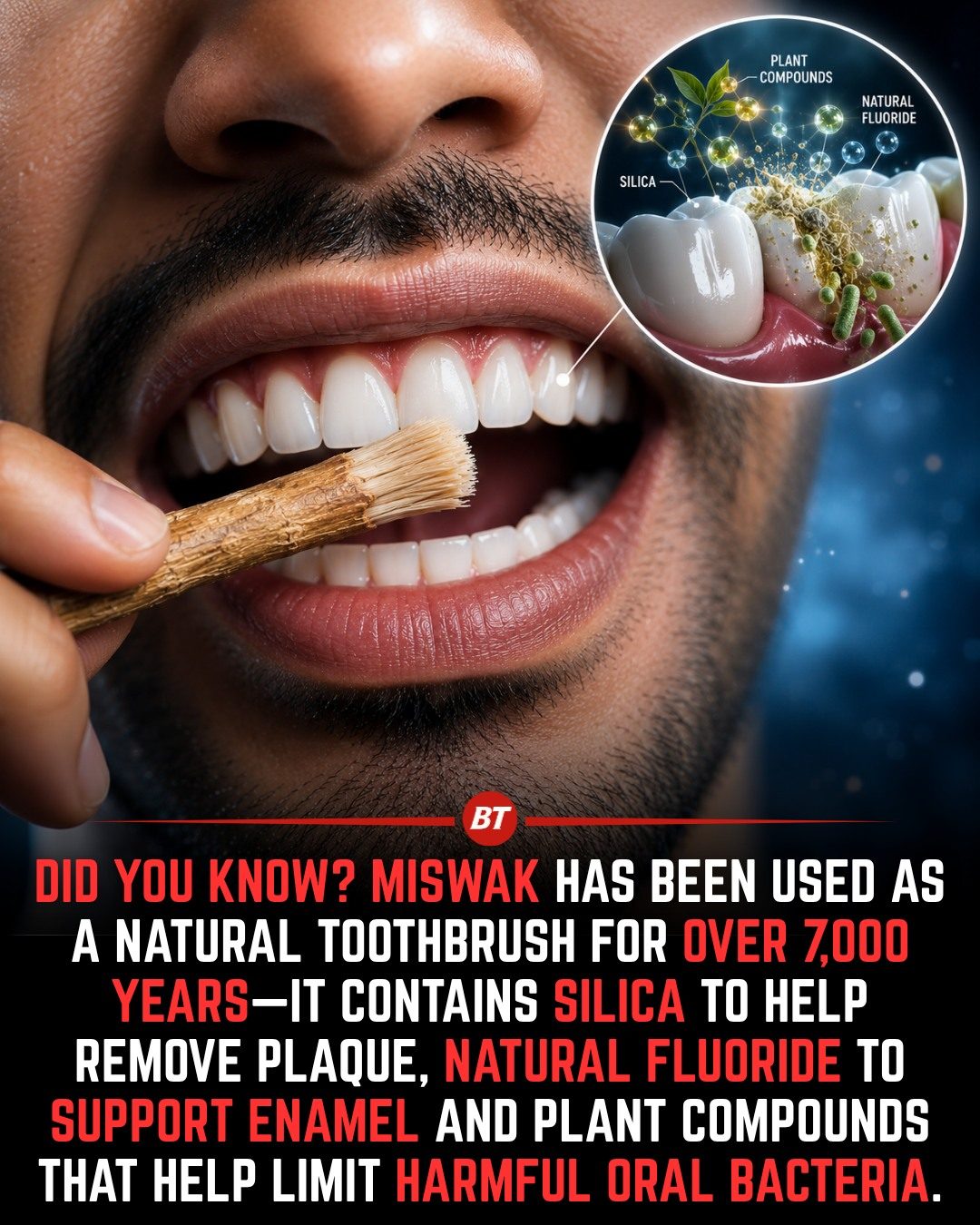
Miswak has been utilized as a natural toothbrush for over 7,000 years. Its historical use spans various cultures and regions, where it gained recognition as an effective tool for maintaining oral health. In modern times, its popularity has revived as people seek natural alternatives to commercial toothbrushes and toothpastes.
Natural Ingredients and Their Benefits
Miswak contains several natural compounds that contribute to its effectiveness:
- Silica: This mineral provides a gentle abrasive action that helps remove plaque and surface stains from the teeth.
- Natural Fluoride: Small amounts of naturally occurring fluoride help support healthy tooth enamel by strengthening it and preventing decay.
- Calcium and Phosphate: These minerals further support enamel health, contributing to stronger and healthier teeth.
- Bioactive Plant Compounds: Miswak is rich in compounds like benzyl isothiocyanate, tannins, flavonoids, and essential oils. These substances have demonstrated antibacterial activity against various oral bacteria involved in plaque formation and gum disease. They may also help reduce inflammation and support fresher breath.
Practical Tips for Using Miswak
To effectively use miswak, follow these practical tips:
- Preparation: Trim about ½ inch (1–2 cm) from the end of a fresh miswak stick. Chew the tip until the fibers soften into natural bristles.
- Brushing Technique: Gently brush your teeth and gums using short, light strokes. Use miswak to clean all surfaces of the teeth and gums.
- Maintenance: Trim the used fibers every few days to expose a fresh brushing surface. This ensures that the miswak remains effective and hygienic.
- Replacement: Regularly replace the miswak, just like you would a conventional toothbrush, to maintain its effectiveness and hygiene.
Incorporating Miswak into Your Dental Routine
While miswak can be a valuable tool for oral hygiene, it should be part of a comprehensive dental routine. Regular brushing, flossing, and routine dental checkups are essential for maintaining good oral health. Use miswak as an additional tool to support these practices.
Important Takeaways
- Miswak is a natural toothbrush that has been used for over 7,000 years.
- It contains natural compounds like silica, fluoride, and bioactive plant compounds that help clean teeth and support enamel.
- Miswak can effectively reduce dental plaque and gingivitis when used correctly.
- Regular replacement and proper brushing technique are crucial for its effectiveness.
- Miswak should be part of a comprehensive oral hygiene routine that includes regular brushing, flossing, and dental checkups.
Conclusion
The resurgence of miswak as a natural toothbrush highlights the enduring value of traditional practices. Its natural compounds and effectiveness in promoting oral health make it a valuable addition to modern dental care routines. By incorporating miswak into your daily routine, you can enjoy its benefits alongside traditional oral hygiene practices.
Watch the Reel
Questions readers ask
What are the main benefits of using a miswak toothbrush?
A miswak toothbrush offers several benefits. It has strong antibacterial properties that help fight oral bacteria. Additionally, it contains natural compounds like silica, fluoride, and calcium, which promote strong teeth and healthy gums. Regular use can also help in plaque removal.
How does miswak compare to modern toothbrushes?
Miswak stands out due to its natural origin and historical significance. While modern toothbrushes offer convenience and various designs, miswak provides a holistic approach to oral health with its natural compounds that benefit teeth and gums. It serves as a reminder of traditional practices that have stood the test of time.
Can miswak be used by people with sensitive gums?
Yes, miswak is gentle on the gums due to its natural composition. The silica in miswak helps remove plaque without causing harm, making it suitable for people with sensitive gums. It also has soothing properties that can help reduce gum inflammation.
How does miswak help in maintaining dental health?
Miswak helps maintain dental health through its natural fluoride content, which strengthens tooth enamel. Regular use can prevent tooth decay and cavities. Its antibacterial properties also keep harmful bacteria at bay, promoting overall oral health.
What is the historical significance of using miswak for oral hygiene?
Miswak has been used for oral hygiene for thousands of years, with roots in various cultures, including the Middle East, North Africa, and the Indian subcontinent. Its historical uses are a testament to its effectiveness and durability, making it the best natural toothbrush for maintaining oral health.
How does miswak contribute to natural oral hygiene?
Miswak is a natural oral hygiene tool that offers a chemical-free approach to maintaining oral health. Its natural compounds, like silica and fluoride, help in cleaning teeth and preventing tooth decay and gum disease. Additionally, its antibacterial properties help control bad breath.
Related deep dives
Similar reads based on topic and creator.




Recent articles
Fresh deep dives from the latest Reels we unpacked.




Comments
Be the first to comment.